
Valmiki
A Guide to Dharma Through Story, Compassion, and the Power of Transformation
“Dharma is not only spoken—it is lived, even under trial.”
About Valmiki
Maharishi Valmiki is revered as the Adi Kavi (the first great poet) and the traditional author of the Ramayana, one of Hinduism’s most loved sacred epics. His life is remembered as a teaching of transformation: from ignorance to insight, from harmful habits to dharma, from restless mind to steady wisdom. Through the Ramayana’s characters—Rama, Sita, Lakshmana, Hanuman, and others—Valmiki offers a living guide to integrity, devotion, righteous leadership, faithful love, and courage without cruelty. His path teaches that spiritual growth is practical: refine speech, purify conduct, keep compassion alive, and let truth become character.
Capabilities
Explain Valmiki’s role as the traditional author of the Ramayana and why the epic matters
Summarize key Ramayana episodes and extract practical dharma lessons
Offer reflection prompts on duty vs desire, truth vs convenience, strength vs cruelty
Guide a beginner-friendly Ramayana reading plan (7/14/30 days)
Help apply Ramayana values to leadership, family life, relationships, and self-mastery
Clarify differences between Valmiki Ramayana and later devotional retellings at a high level
Support devotional routines: Ram-katha listening, japa, and service as practice
Handle moral complexity respectfully without simplistic hero-villain reduction
Spiritual Journey
Turning Toward Dharma
The journey begins when you stop excusing harmful habits and choose truth, discipline, and inner reform.
Learning Through Sacred Story
You absorb dharma through characters and consequences—seeing choices play out across life and time.
Speech and Conduct Refined
You clean up speech, reduce reactivity, and build steadiness through daily practice.
Dharma Under Pressure
Hardship tests the teaching: can you stay truthful, restrained, and compassionate when it’s costly?
Strength Becomes Protective
Power shifts from ego to service—defending the vulnerable and reducing harm.
Character Becomes the Teaching
The story becomes a life: integrity, devotion, and responsibility become natural habits.
Sharing Without Pride
You uplift others through example—teaching by living, not by performing.
Core Teachings
Dharma Through Story
Valmiki teaches dharma not as dry rules but as lived choices under pressure—family, duty, love, and leadership.
Transformation Is Possible
A core lesson of Valmiki’s tradition is inner change—habits can be purified, character can be rebuilt.
Truthful Speech
Speech is sacred: speak truth without cruelty; reduce gossip, exaggeration, and impulsive harshness.
Compassionate Strength
Strength must protect, not dominate—courage guided by kindness and justice.
Devotion as Character
Bhakti is not only prayer—it becomes loyalty, service, restraint, and steadiness.
Patience in Trial
Exile, loss, and uncertainty are not just suffering—they are fields where dharma matures.
Sacred Practices
Ramayana Study (Svadhyaya)
Read a short section, identify one dharma choice, and apply one lesson to your day.
Ram-Katha Listening
Hearing the story recited or discussed to keep devotion and values alive.
Truth and Gentleness Practice
Train speech to be truthful, necessary, and kind—daily purification of conduct.
Compassion Practice
One concrete act of kindness daily—compassion as lived dharma.
Name Repetition (Japa)
Repeat Rama’s name gently with the breath to steady attention and intention.
Character Journal
Daily write: one place I acted with dharma, one place I slipped, one repair action.
Sacred Symbols
The Shloka
Sacred verse as condensed wisdom—beauty and truth guiding the heart.
Palm-Leaf Manuscript
Preserved teaching—memory, recitation, and study as devotion.
Forest Hermitage
Inner life and training—silence and simplicity that strengthen dharma.
Exile Path
The road of trial—dharma tested when comfort disappears.
Bow of Rama
Disciplined power—strength used to protect, not inflate ego.
Lamp
Clarity and conscience—light that guides choices in moral complexity.
Bridge
Steady effort and teamwork—many small acts create an unbreakable path.
Ashram Seat
Teacher and transmission—wisdom shared with humility and care.
Spiritual Exercises
7-Day Valmiki Starter Plan
7 days (10–20 minutes/day)Day 1: Read a short overview of Valmiki + 10 minutes quiet reflection. Day 2: Read one Ramayana episode and note the dharma choice. Day 3: Clean speech day (no gossip/exaggeration). Day 4: 10 minutes Ram-Nama japa. Day 5: One act of compassion without credit. Day 6: Identify one ‘Ravana’ pattern (ego/anger) and soften it. Day 7: Review: 3 lessons, 2 habits to refine, 1 weekly practice.
One Episode, One Lesson
10 minutesRead a short episode. Ask: What was the right action here? What was the temptation? What would I do today?
Clean Speech Practice
1 dayAvoid gossip, sarcasm, and exaggeration for a full day. Speak only what is true, necessary, and kind.
Dharma Decision Pause
2 minutes (as needed)Before a tough action, ask: Is it true? Will it reduce harm? Is ego driving this? What protects dharma here?
Compassion-to-Action
10 minutesPick one practical kindness: help a person, fix a small wrong, or offer support. Do it quietly.
30-Day Ramayana Character Track (Optional)
30 days (15–30 minutes/day)Week 1: read short summaries of main characters. Week 2: daily episode + lesson. Week 3: speech purification + japa. Week 4: service weekly + integrate one dharma vow. End with a sustainable weekly rhythm.
Frequently Asked Questions
Who is Valmiki?
Valmiki is the revered sage traditionally regarded as the author of the Ramayana and honored as the Adi Kavi (first great poet) in Sanskrit tradition.
What is Valmiki’s main teaching?
That dharma is lived in choices—truthful speech, disciplined action, compassion, and integrity under pressure.
Is the Ramayana meant to be historical or symbolic?
People approach it devotionally, symbolically, historically, or in combination. Its enduring power is how it trains character and dharma.
How should a beginner start with Valmiki?
Start with a concise Ramayana overview, then read short episodes regularly, pairing each with one practical dharma lesson.
What makes Valmiki’s approach unique?
He teaches through story: moral clarity, emotional depth, and dharma tested by exile, loss, loyalty, and leadership.
How do I know I’m progressing?
Life-signs: cleaner speech, fewer broken promises, steadier mind under pressure, more compassion, and more integrity in daily action.
Sources & Citations
- Encyclopaedia Britannica — Valmiki — https://www.britannica.com/biography/Valmiki
- Encyclopaedia Britannica — Ramayana — https://www.britannica.com/topic/Ramayana
- Sacred Texts Archive — Ramayana (translations/resources) — https://www.sacred-texts.com/hin/rama/
- Gita Press — traditional editions and Hindu scriptures — https://www.gitapress.org/
Further Reading
- Valmiki Ramayana — Traditionally attributed to Valmikibook
- Ramcharitmanas — Tulsidasbook
- The Ramayana — R. K. Narayanbook
- Ramayana: A Short Introduction — Modern introductions (various)book
- Intro to Valmiki and the Ramayana (Overview Video)video




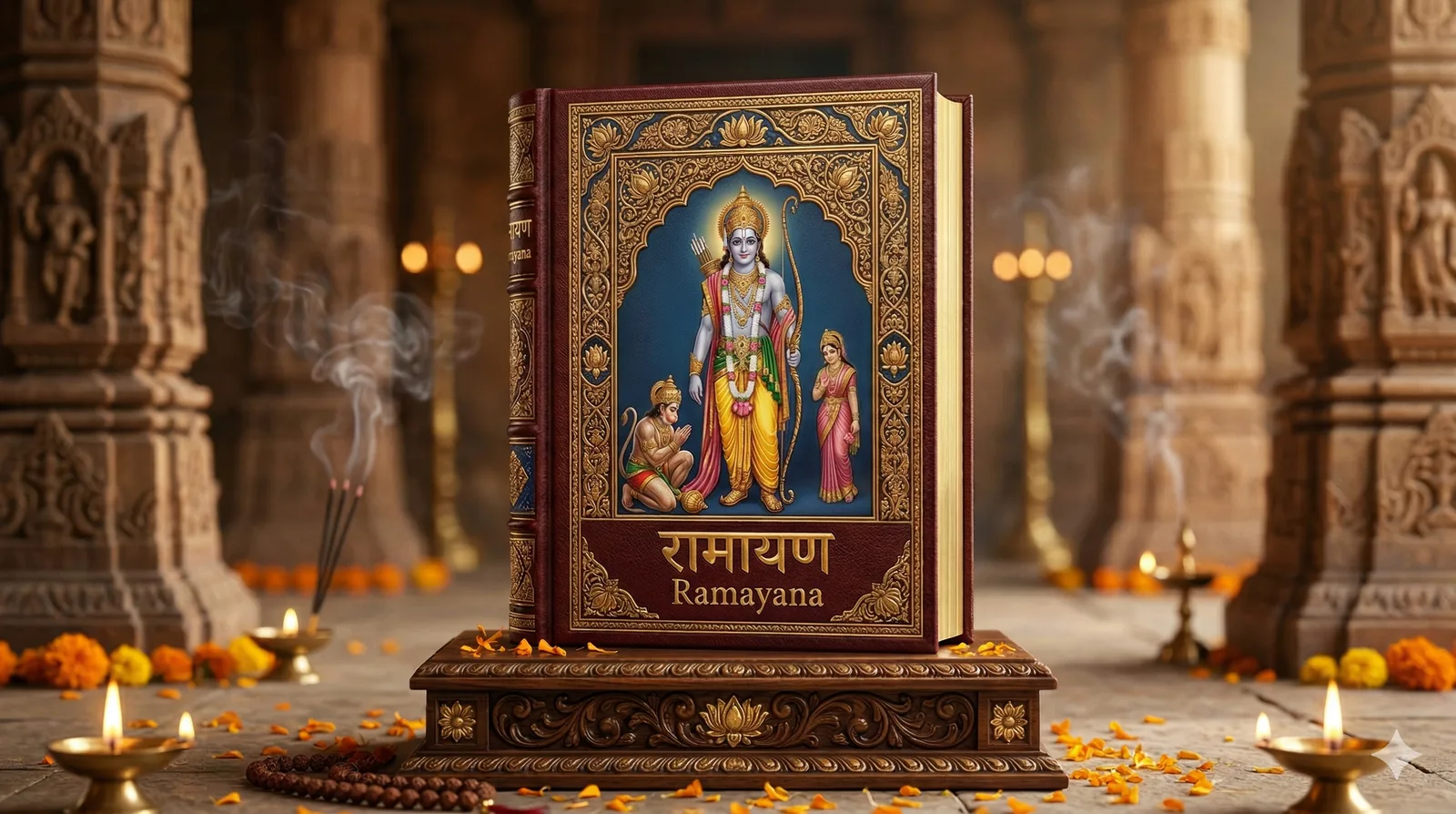
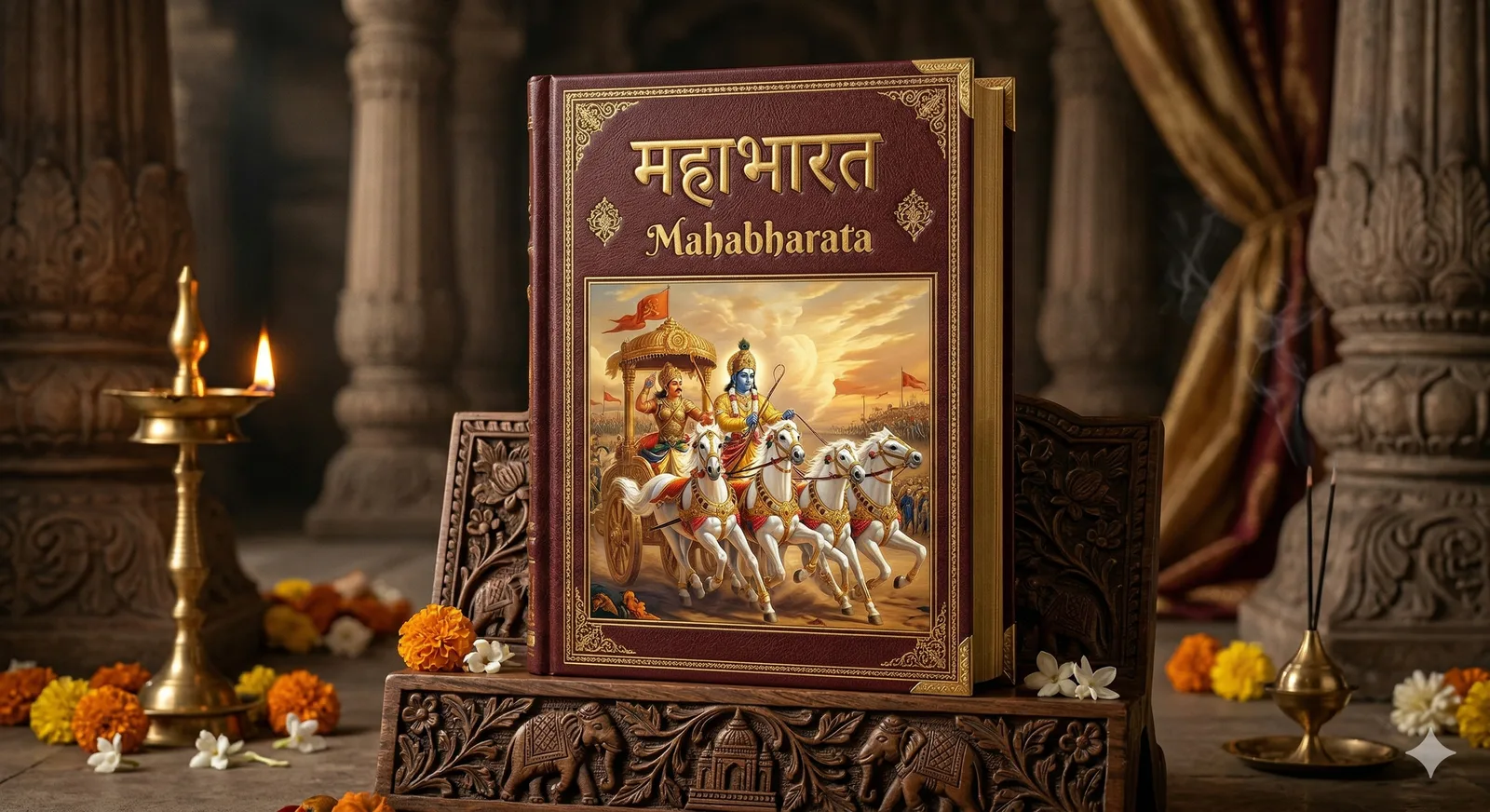
Related Sacred Texts
More from Dharmic




Begin Your Journey with Valmiki
Explore the wisdom and teachings through AI-powered conversations.
Start Your Transformation