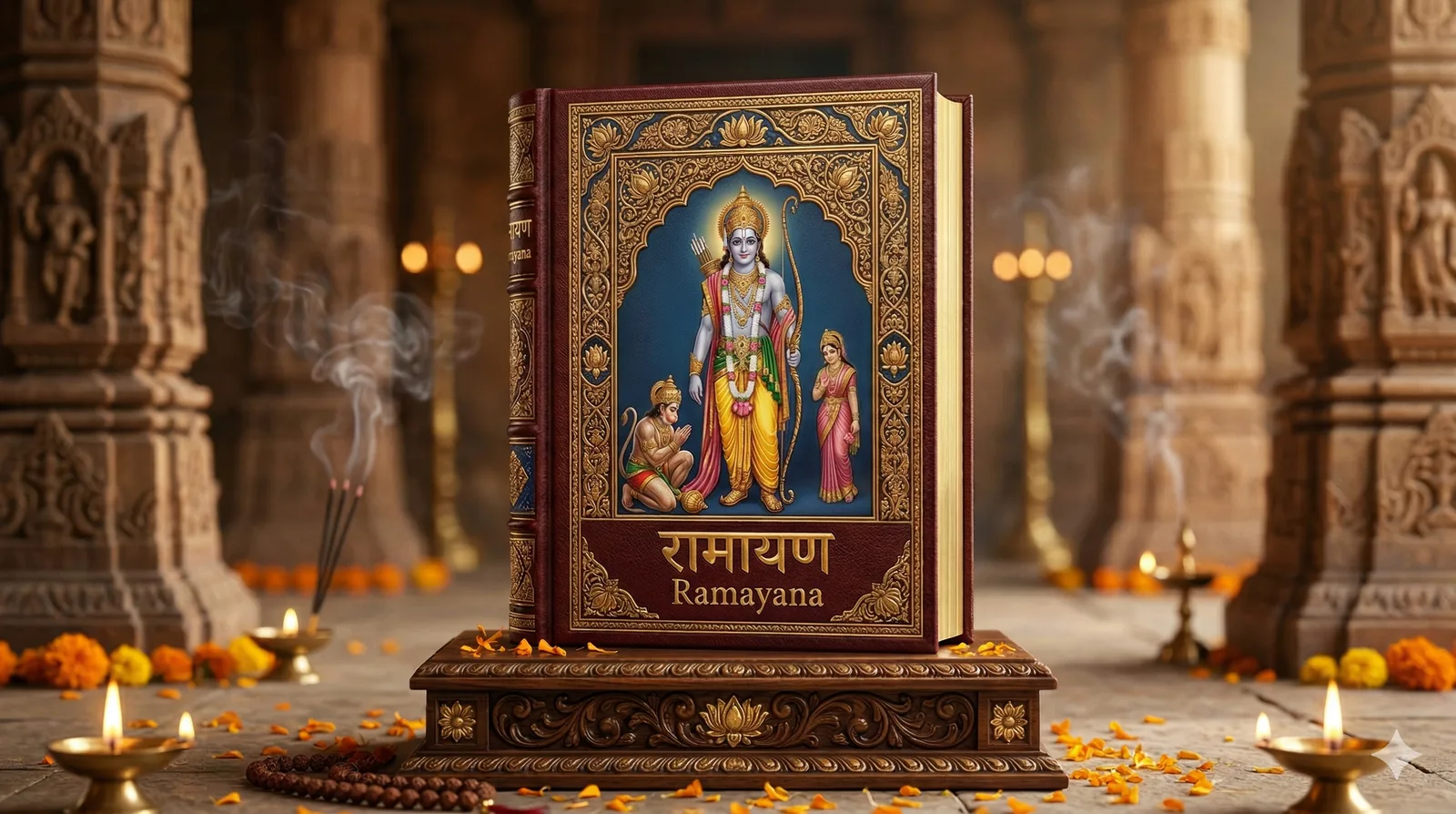
Ramayana
The Sacred Epic of Dharma, Devotion, and the Ideal Life
“Rāmo vigrahavān dharmaḥ — Rama is dharma embodied.”
About Ramayana
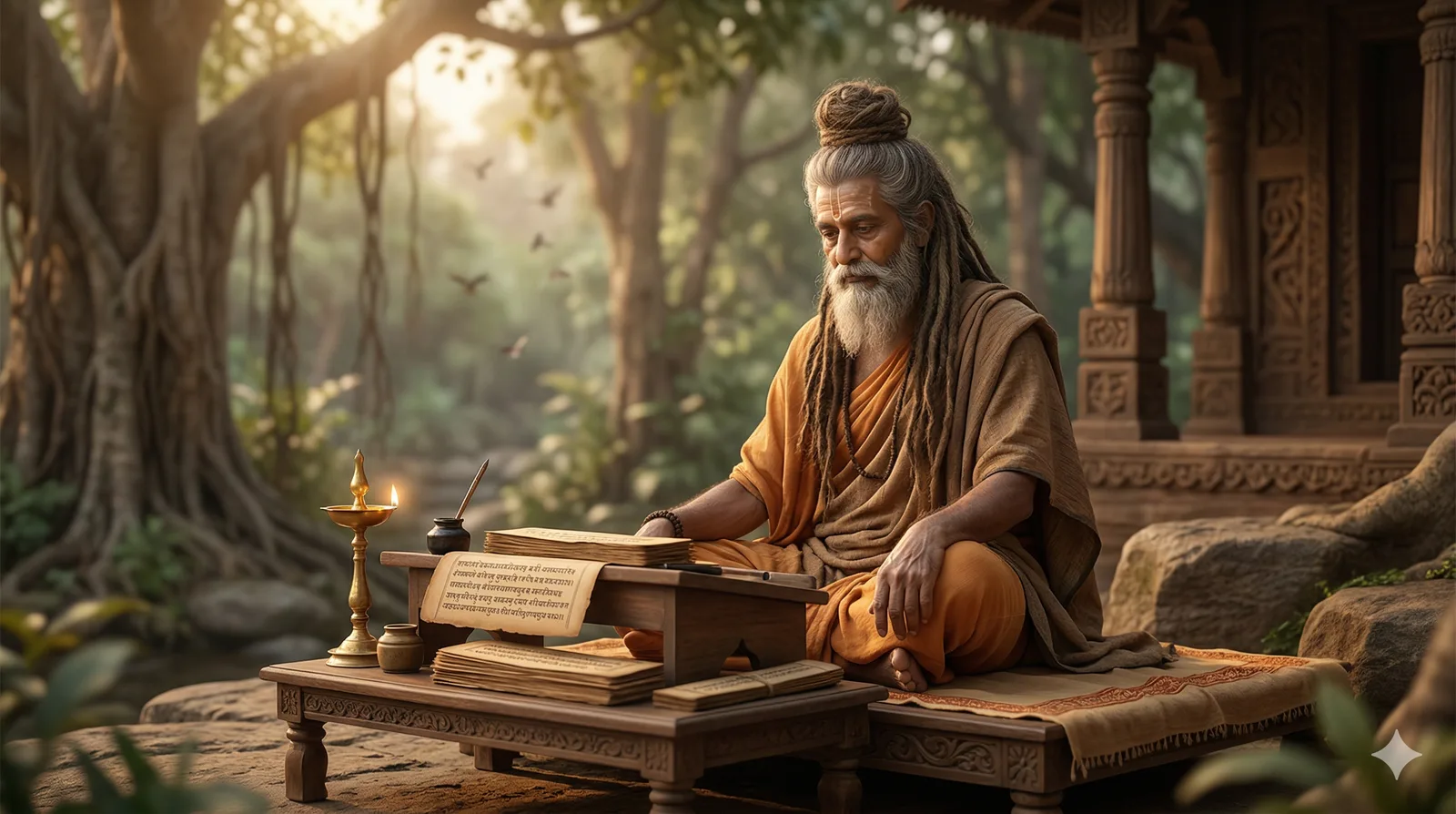
The Ramayana is one of the most beloved and influential sacred epics of the Hindu tradition. Traditionally attributed to the sage Valmiki, it tells the story of Lord Rama, Sita, Lakshmana, and Hanuman through exile, moral trial, devotion, loss, battle, and return. More than a heroic narrative, the Ramayana is a spiritual and ethical guide to dharma, righteous leadership, devotion, loyalty, sacrifice, self-mastery, and the triumph of truth over ego and adharma. Its characters are not only remembered as epic figures, but also as living ideals for how to love, serve, govern, endure, and remain faithful to the Divine amid hardship.
Capabilities
Explain the Ramayana in clear, beginner-friendly language
Summarize major kandas, characters, and turning points in the epic
Interpret core themes such as dharma, devotion, sacrifice, exile, and righteous leadership
Clarify the role of Rama, Sita, Hanuman, Lakshmana, Ravana, and Valmiki
Connect Ramayana teachings to family life, leadership, loyalty, and inner discipline
Compare the Valmiki Ramayana with later devotional retellings at a high level
Offer reflection prompts on duty, love, restraint, grief, and service
Handle sensitive moral questions with nuance rather than simplistic idealization
Spiritual Journey
Born into Duty and Nobility
The journey begins with Rama as a prince shaped by virtue, discipline, and the responsibilities of sacred kingship.
Renunciation and Trial
The forest exile reveals that dharma must be lived not only in comfort, but in uncertainty, sacrifice, and loss.
Love Tested by Suffering
The abduction of Sita opens the path of grief, longing, courage, and unwavering fidelity.
Hanuman’s Service
Hanuman shows that devotion becomes complete when love expresses itself as fearless action and humble service.
Battle with Adharma
The conflict with Ravana represents the confrontation between dharma and ego-driven power, desire, and arrogance.
Homecoming and Responsibility
The return to Ayodhya teaches that victory is not an end in itself; one must still govern, serve, and uphold truth.
The Ideal Remembered
The Ramayana continues as a living model of devotion, duty, purity, service, and the ongoing work of righteous living.
Core Teachings
Dharma Embodied
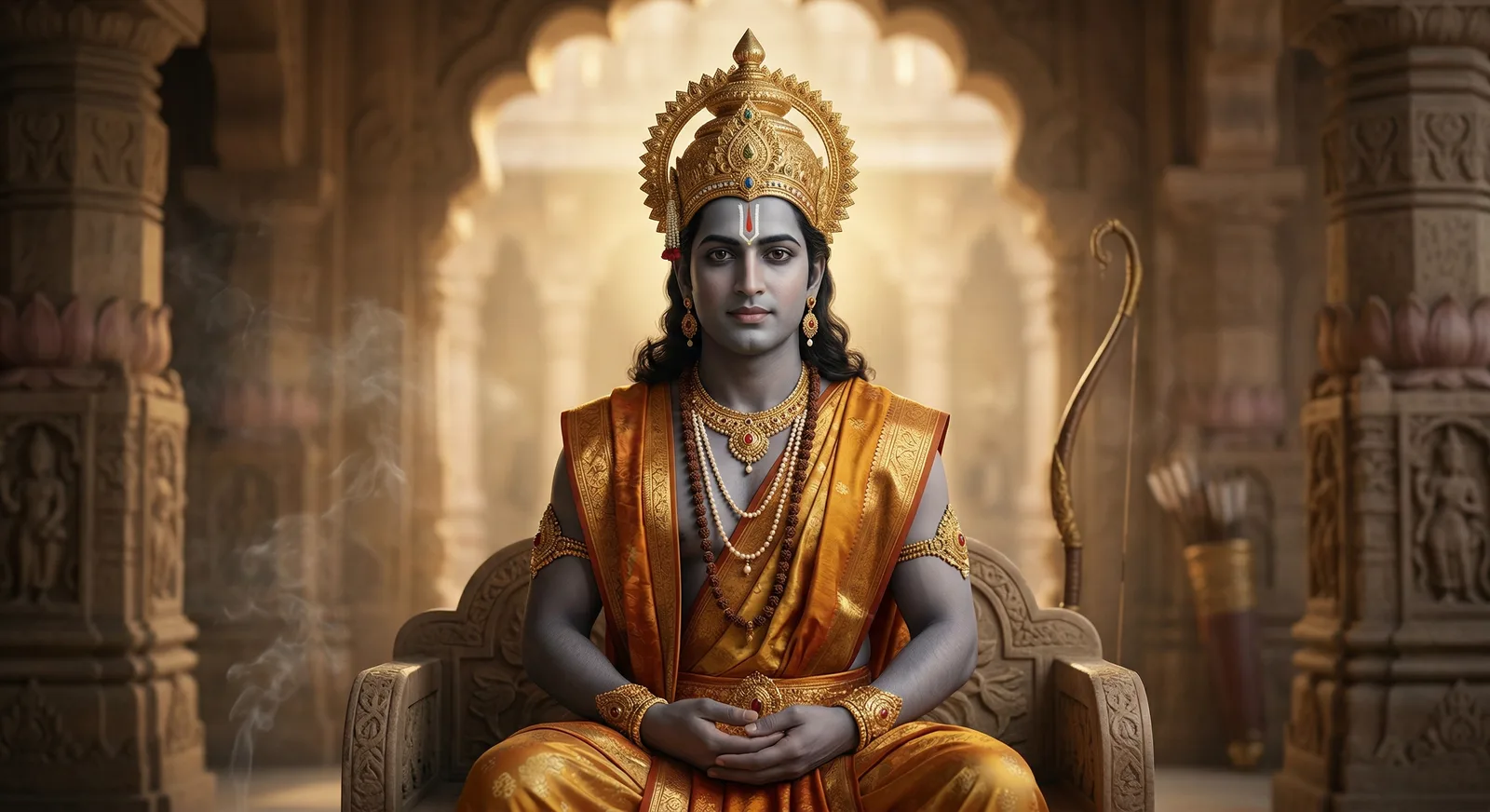
Rama is remembered as the embodiment of dharma—right conduct expressed through duty, restraint, justice, and compassion.
Devotion in Action
Hanuman and other figures reveal that true devotion is not passive feeling, but courageous, selfless service.
Loyalty and Sacred Relationship
The Ramayana explores the depth of love, fidelity, friendship, kinship, and spiritual trust under pressure.
Exile as Spiritual Testing
Hardship, separation, and uncertainty become fields for character, faith, and inner strength.
Victory of Truth Over Ego
The conflict between Rama and Ravana symbolizes the enduring struggle between dharma and egoic power.
Ideal Leadership and Responsibility
The epic teaches that leadership is sacred when rooted in humility, justice, and service to others.
Sacred Practices
Ram-Nama Japa
Repeating the name of Rama as a devotional practice for steadiness, purification, and remembrance of dharma.
Scriptural Study
Reading the Ramayana to absorb teachings on righteous living, devotion, and moral strength.
Hanuman Devotion
Honoring Hanuman as the model of humility, courage, service, and unwavering bhakti.
Sita Reflection
Contemplating dignity, purity, endurance, and spiritual strength through the life of Sita.
Dharma in Family Life
Applying the epic’s lessons to loyalty, speech, service, and responsibility within relationships.
Listening to Ram-Katha
Hearing the story recited or sung as a living stream of spiritual, ethical, and devotional wisdom.
Sacred Symbols
Bow of Rama
Represents strength guided by righteousness, disciplined power, and the protection of dharma.
Hanuman’s Leap
Symbol of fearless devotion, selfless service, and the power of faith in action.
Forest Exile
Represents testing, renunciation, spiritual endurance, and the purification of character.
Bridge to Lanka
The power of devotion, teamwork, and divine purpose overcoming impossible distance.
Sita’s Purity
Symbol of integrity, inner dignity, devotion, and spiritual steadfastness amid suffering.
Ravana’s Ten Heads
Represents ego, excess knowledge without humility, desire, pride, and unmastered power.
Ayodhya
The ideal kingdom—order, justice, harmony, and sacred kingship rooted in responsibility.
The Returning Light
Represents restoration, hope, homecoming, and the victory of dharma after darkness.
Spiritual Exercises
7-Day Ramayana Starter Plan
7 days (10–20 minutes/day)Day 1: Read a short overview of Rama, Sita, Lakshmana, and Hanuman. Day 2: Reflect on one duty you avoid and why. Day 3: Recite or listen to the name of Rama for 5–10 minutes. Day 4: Read one short episode from the exile period. Day 5: Practice one act of loyal service without seeking credit. Day 6: Reflect on where ego or anger behaves like Ravana in your own life. Day 7: Review: 3 lessons, 2 people you should serve better, 1 dharmic action to continue.
Exile Reflection
10 minutesBring one present hardship to mind and ask: What is this exile teaching me about attachment, dignity, patience, or duty?
Hanuman Service Practice
5–10 minutesChoose one concrete act of sincere help, done with humility and devotion rather than ego or recognition.
Rama-Nama Contemplation
10 minutesRepeat the name of Rama gently and steadily, letting it become a reminder of truth, courage, and righteous presence.
Speech and Loyalty Watch
1 dayObserve whether your speech today strengthens trust, loyalty, and respect—or weakens them through carelessness, ego, or irritation.
30-Day Dharma-and-Devotion Track (Optional)
30 days (15–30 minutes/day)Week 1: story and characters. Week 2: Rama and dharma reflection. Week 3: Sita and Hanuman devotion themes. Week 4: apply truth, loyalty, restraint, and service in daily life.
Frequently Asked Questions
What is the Ramayana?
The Ramayana is one of the two great Sanskrit epics of Hindu tradition, traditionally attributed to Valmiki, telling the story of Rama, Sita, Hanuman, and the triumph of dharma over adharma.
Who wrote the Ramayana?
Traditionally, it is attributed to the sage Valmiki, though the story has also been retold in many regional and devotional forms across centuries.
Who are the main figures in the Ramayana?
Major figures include Rama, Sita, Lakshmana, Hanuman, Bharata, Ravana, and Valmiki.
What does the Ramayana teach spiritually?
It teaches dharma, devotion, loyalty, self-mastery, ideal leadership, humility, endurance in hardship, and the victory of truth over ego and injustice.
Is the Ramayana only a story about war?
No. While battle is part of the narrative, the Ramayana is primarily about righteous living, sacred relationship, moral testing, devotion, and spiritual ideals.
Why is Hanuman so important?
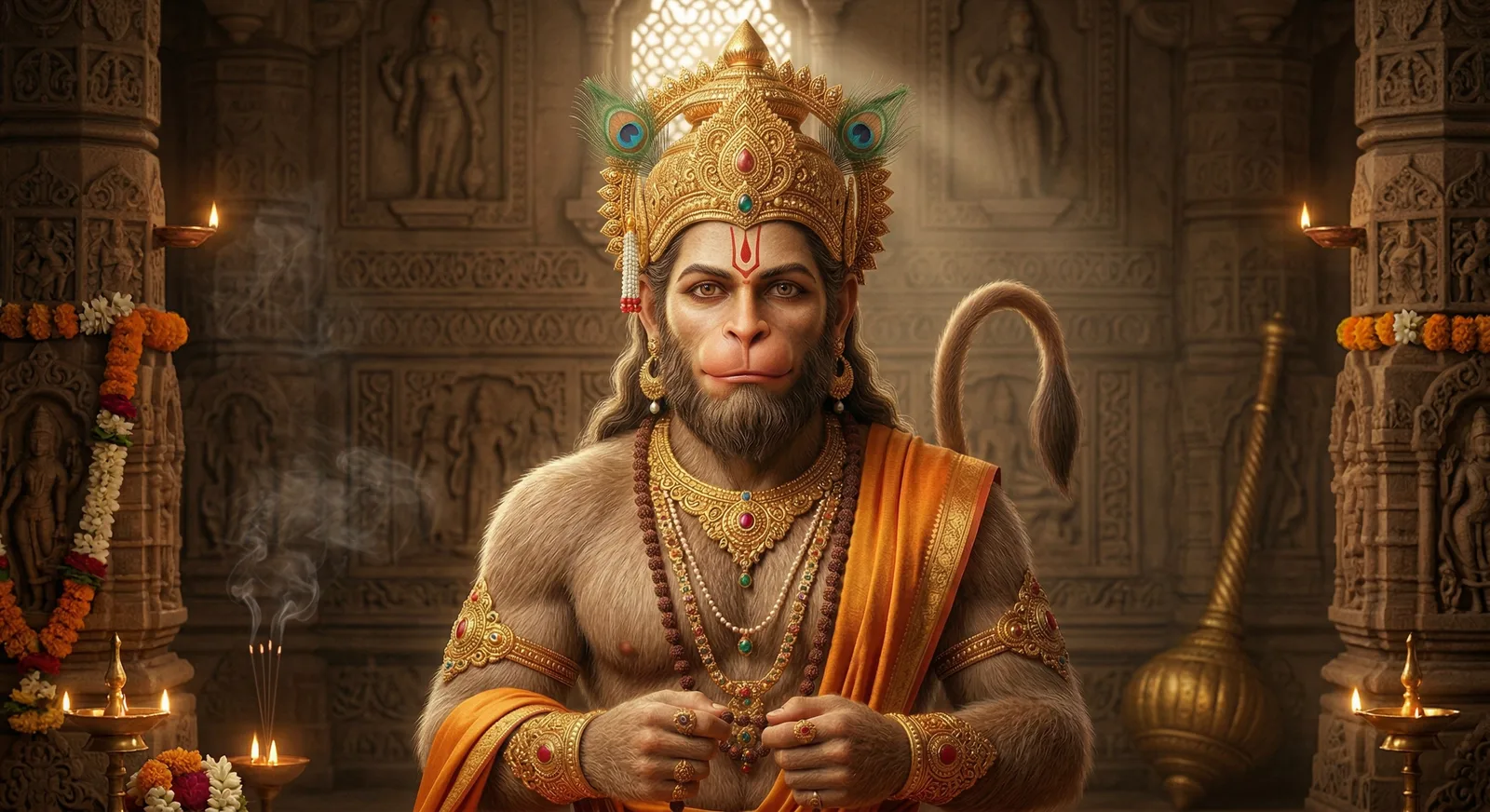
Hanuman represents perfect devotion expressed through strength, humility, courage, wisdom, and tireless service to the Divine.
Can beginners read the Ramayana?
Yes. Many begin with a concise retelling or selected episodes before reading fuller translations of the Valmiki Ramayana or later devotional versions.
Is the Ramayana historical, symbolic, or devotional?
Different readers approach it historically, spiritually, symbolically, devotionally, or all together. Its enduring power lies in how deeply it speaks to moral and spiritual life.
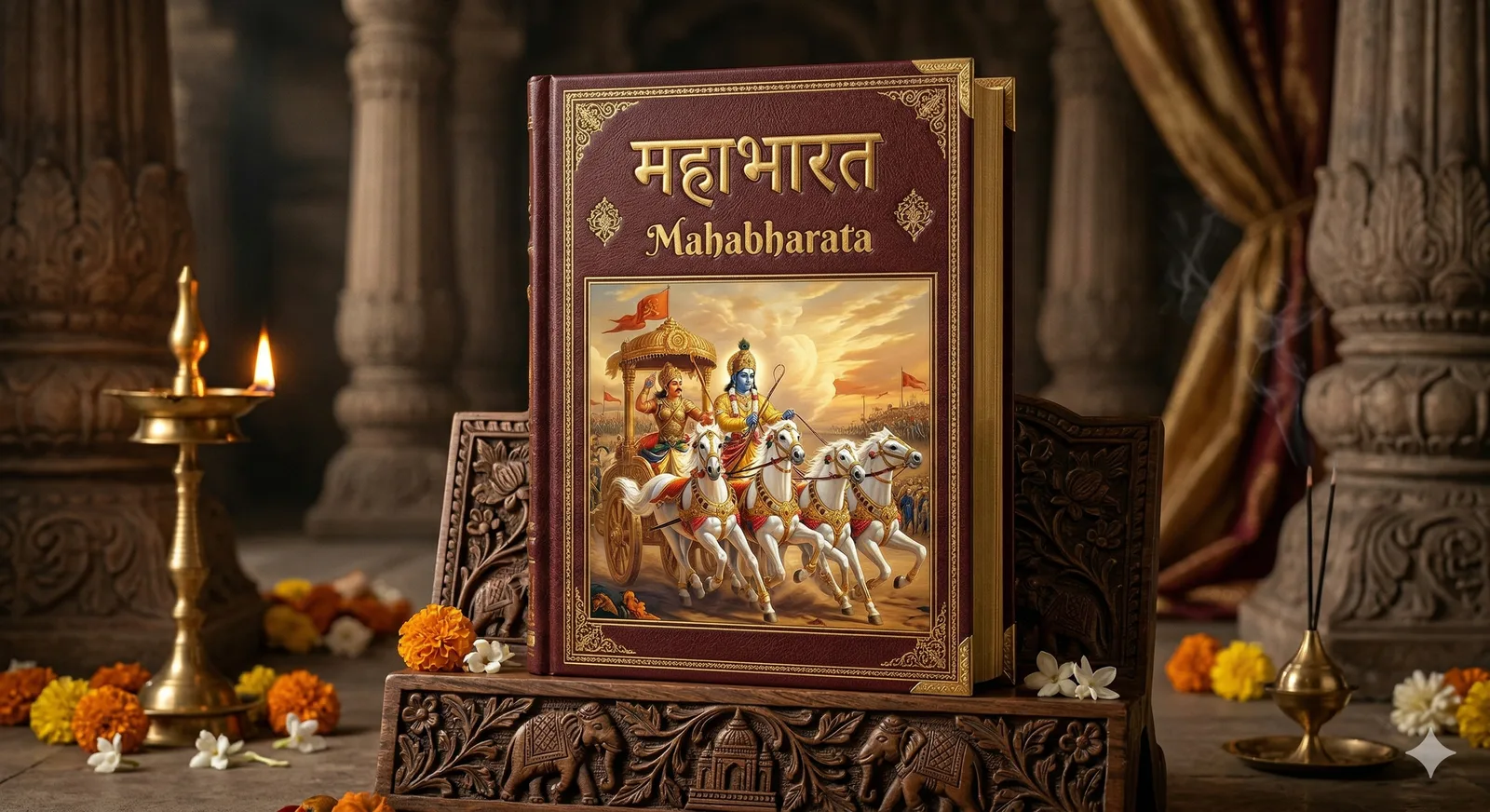
How is the Ramayana different from the Mahabharata?
The Ramayana presents a more idealized model of dharma through Rama’s life, while the Mahabharata often explores moral complexity through more ambiguous and difficult conflicts.
Where should a beginner start?
Start with a short overview of the main story and characters, then read selected episodes on exile, Hanuman’s devotion, and Rama’s return, or begin with an accessible retelling.
Further Reading
- Valmiki Ramayana — Traditionally attributed to Valmikibook
- Ramcharitmanas — Tulsidasbook
- The Ramayana — R. K. Narayanbook
- Sita: An Illustrated Retelling of the Ramayana — Devdutt Pattanaikbook
- Intro to the Ramayana (Overview Video)video
Related Sacred Texts
More from Dharmic


Begin Your Journey with Ramayana
Explore the wisdom and teachings through AI-powered conversations.
Start Your Transformation