Buddhism
About Buddhism
- Buddhism is a 2,500-year-old living tradition founded on the direct experience of Siddhartha Gautama, who became the Buddha — the Awakened One — after years of rigorous practice beneath the Bodhi Tree. Unlike many paths that begin with belief, Buddhism begins with a question: Why do we suffer, and how can we be free?
- At its heart are the457 Four Noble Truths — a diagnostic framework as relevant today as it was in ancient India. Suffering (dukkha) is not a punishment; it arises from craving, aversion, and confusion. The path out is the Noble Eightfold Path: a practical, interlocking training in wisdom (right view, right intention), ethical conduct (right speech, right action, right livelihood), and mental cultivation (right effort, right mindfulness, right concentration).
- Buddhism's three great traditions offer distinct but complementary approaches. Theravada preserves the earliest recorded teachings (the Pali Canon) and emphasizes direct insight through mindfulness meditation — vipassana, breath awareness, and the Four Foundations of Mindfulness. Mahayana expands the path through the bodhisattva ideal — the commitment to attain awakening for the benefit of all beings — with practices rooted in compassion (karuna), the Heart Sutra, and the Lotus Sutra. Vajrayana (Tibetan Buddhism) adds powerful tantric methods, mantra, visualization, and guru devotion within a framework of rigorous ethics and lineage transmission.
- What makes Buddhism immediately practical is its emphasis on direct training. You don't need to accept a doctrine first — you practice, observe, and verify in your own experience. Mindfulness of breathing (anapanasati), loving-kindness meditation (metta), walking meditation, the Five Precepts of ethical living, and the practice of generosity (dana) are all accessible starting points that produce measurable changes: reduced reactivity, greater emotional stability, clearer thinking, and deeper compassion.
- Core concepts like impermanence (anicca), non-self (anatta), dependent origination (paticcasamuppada), the Three Marks of Existence, and the concept of nibbana (nirvana) are not abstract philosophy — they are lenses for seeing reality more clearly, reducing clinging, and navigating life's inevitable changes with equanimity and grace.
- This guide covers the full scope of Buddhist wisdom — from your very first breath meditation to the subtleties of insight practice — with clear definitions, practical exercises, comparison across traditions, recommended readings (Walpola Rahula, Bhikkhu Bodhi, Thich Nhat Hanh), and personalised guidance through AI conversation. Whether you are a curious beginner or a seasoned practitioner deepening your understanding, this is your companion on the path to liberation.


Gurus

Asanga
Yogācāra essentials with Asaṅga: mind-training, compassion, and transformation
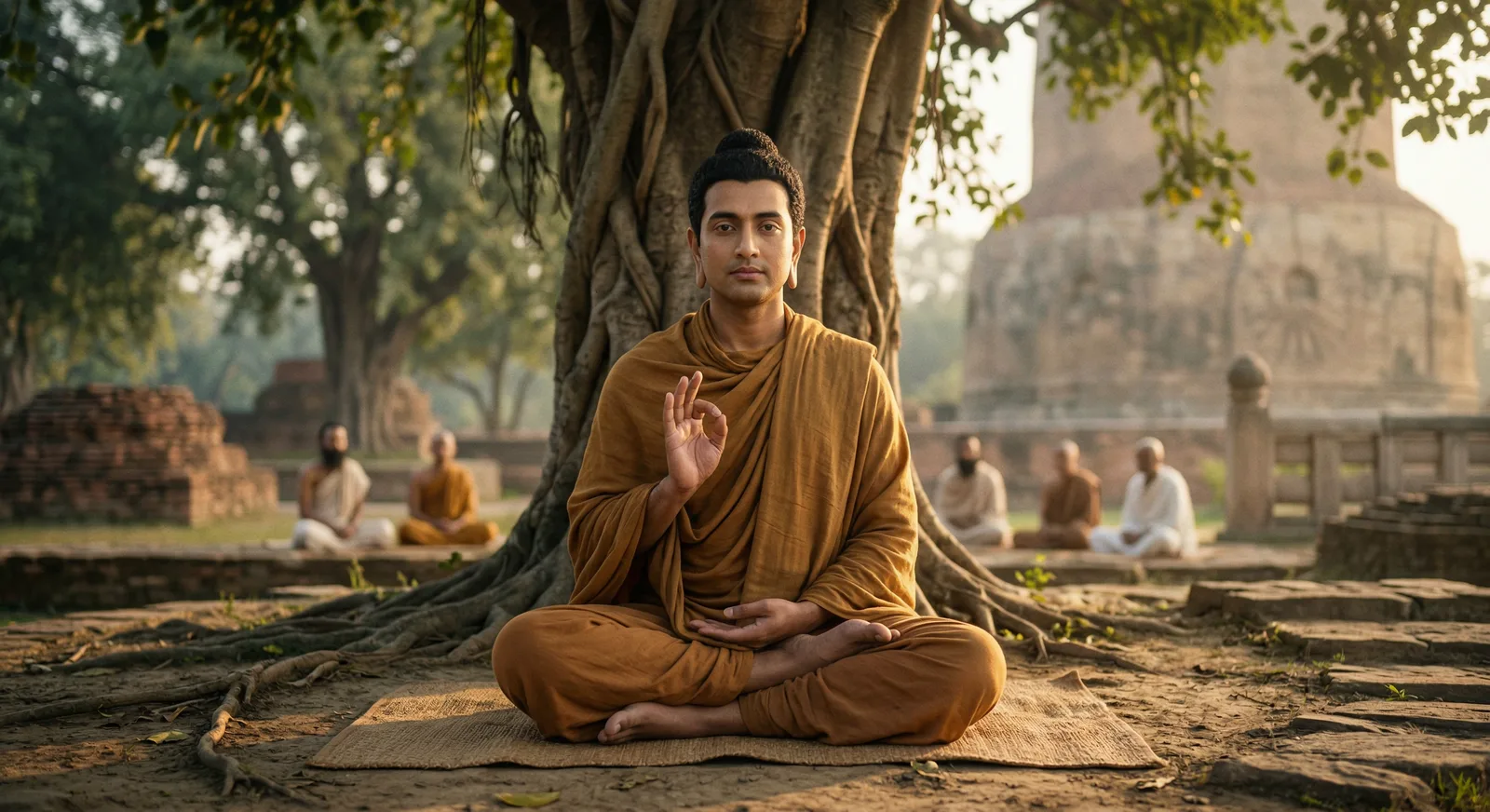
Gautama Buddha
Mindfulness, compassion, and the Middle Way for daily life
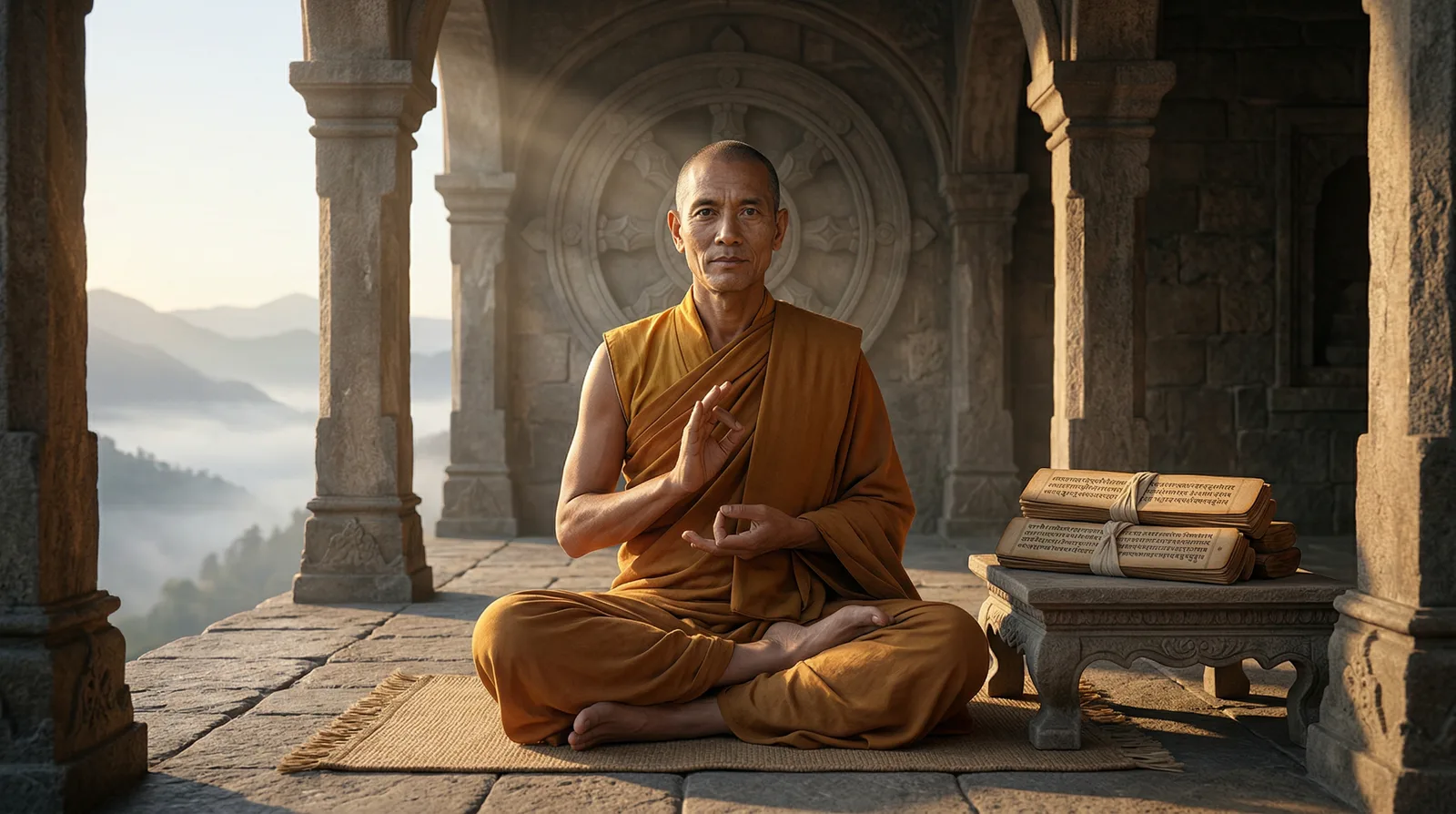
Nagarjuna
Madhyamaka essentials: emptiness as dependent arising, the Two Truths, and freedom from rigid views
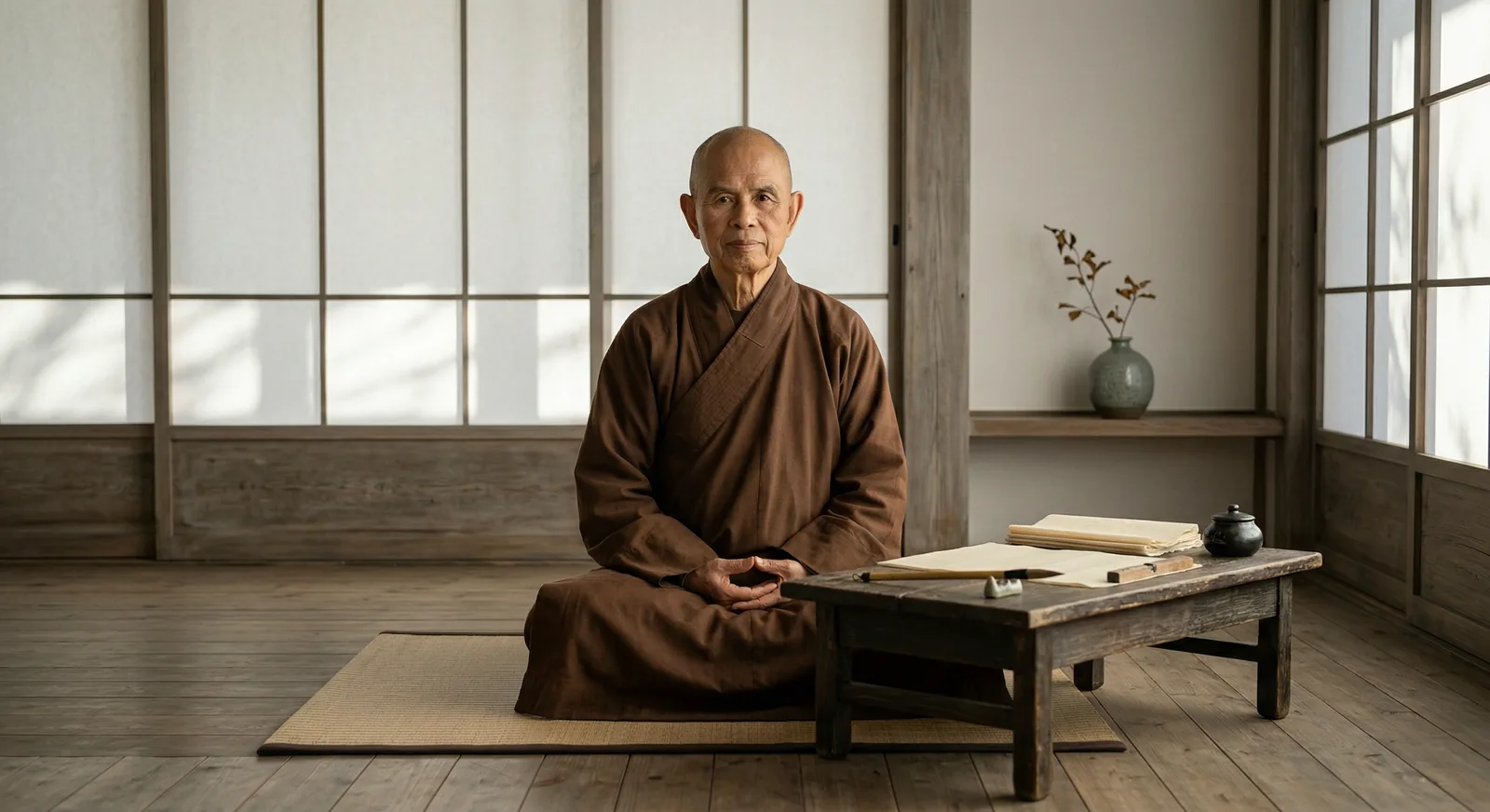
Thich Nhat Hanh
A practical mindfulness path: breath, steps, compassion, and interbeing in daily life
Theravada
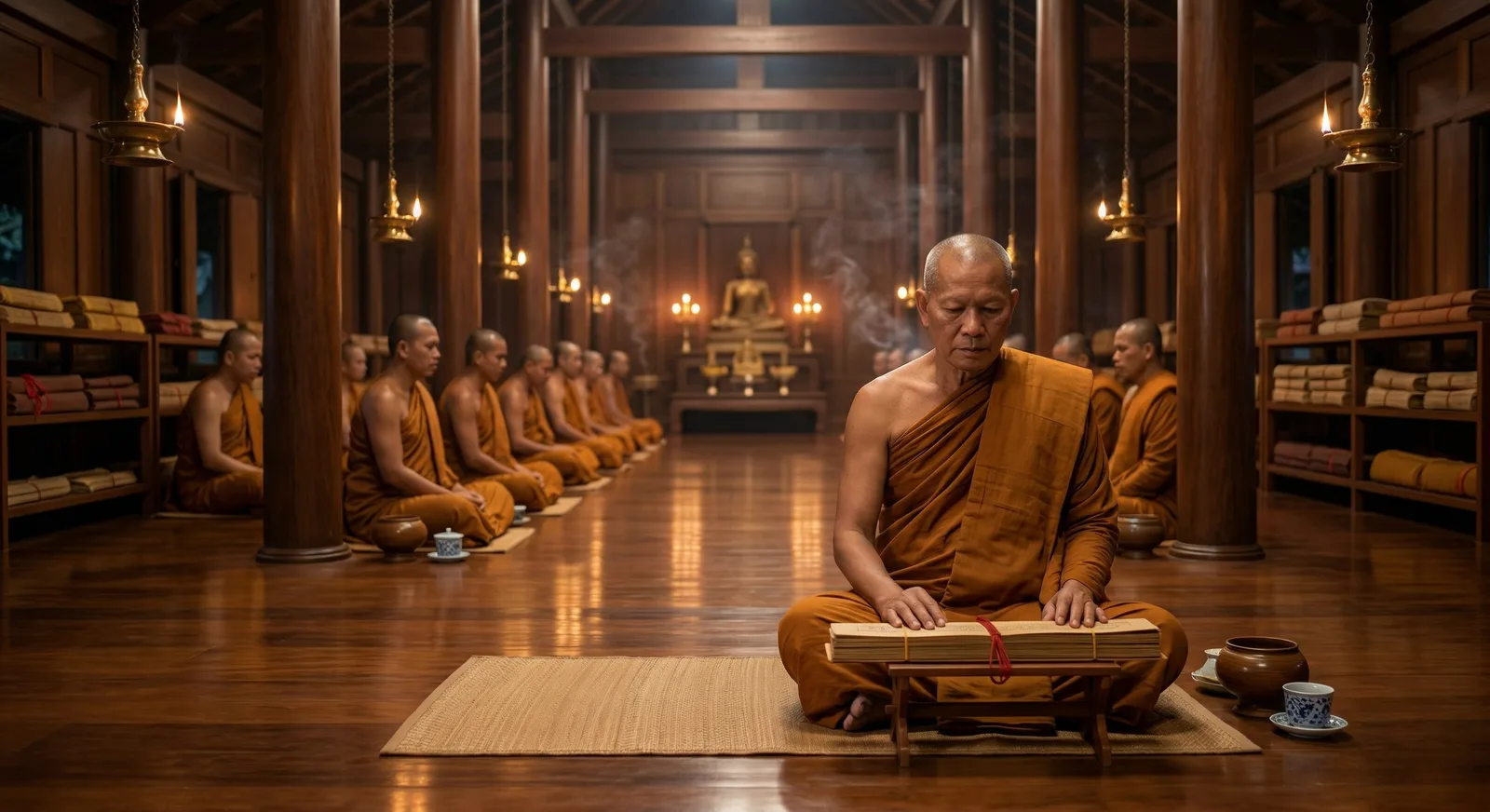
Theravada
The Pāli tradition: sīla, samādhi, paññā—training the mind toward liberation
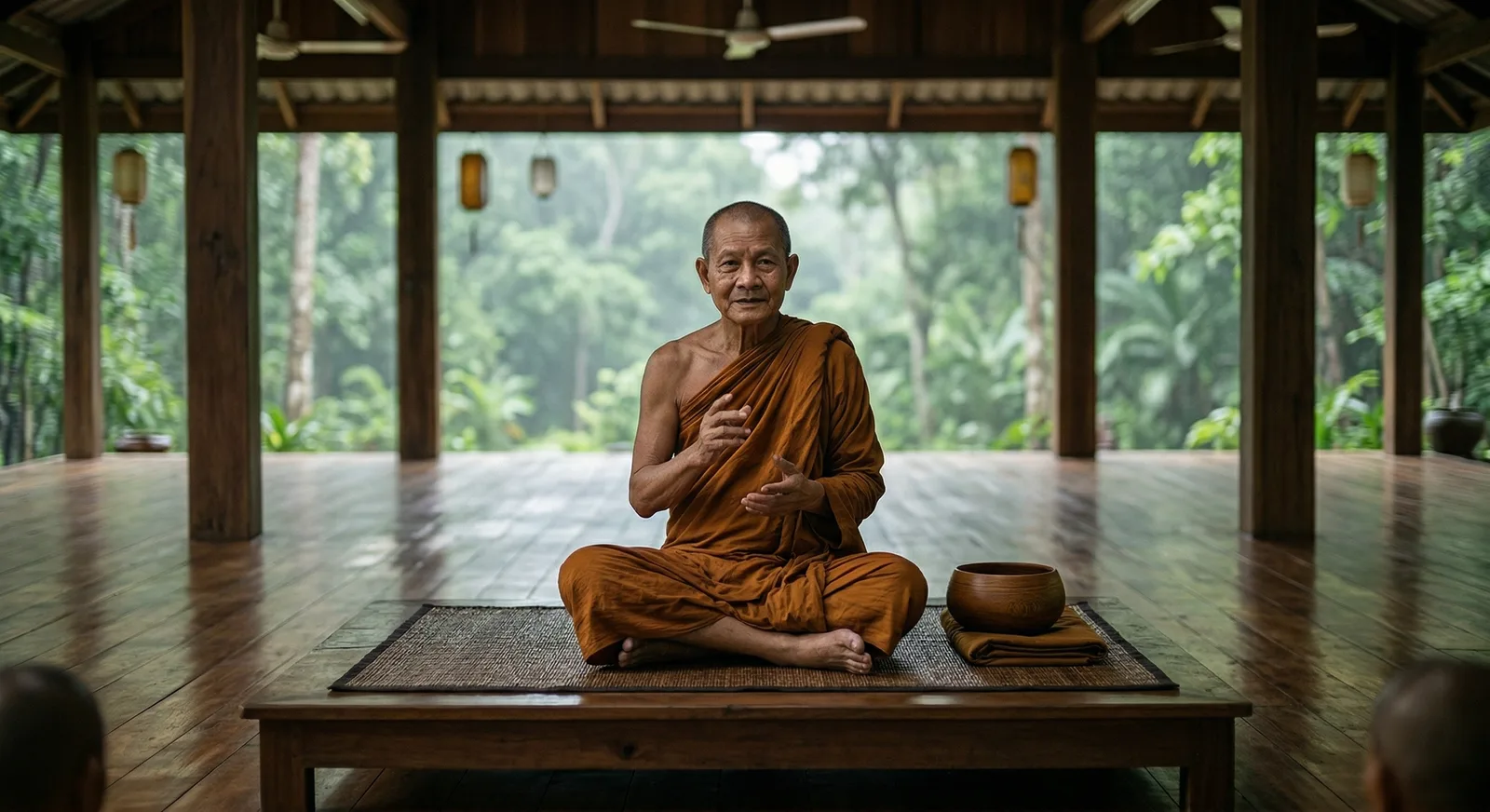
Ajahn Chah
Thai Forest wisdom made practical: mindfulness, discipline, and letting go

Visuddhimagga
Theravāda practice manual: sīla, samādhi, paññā—systematic training toward purification
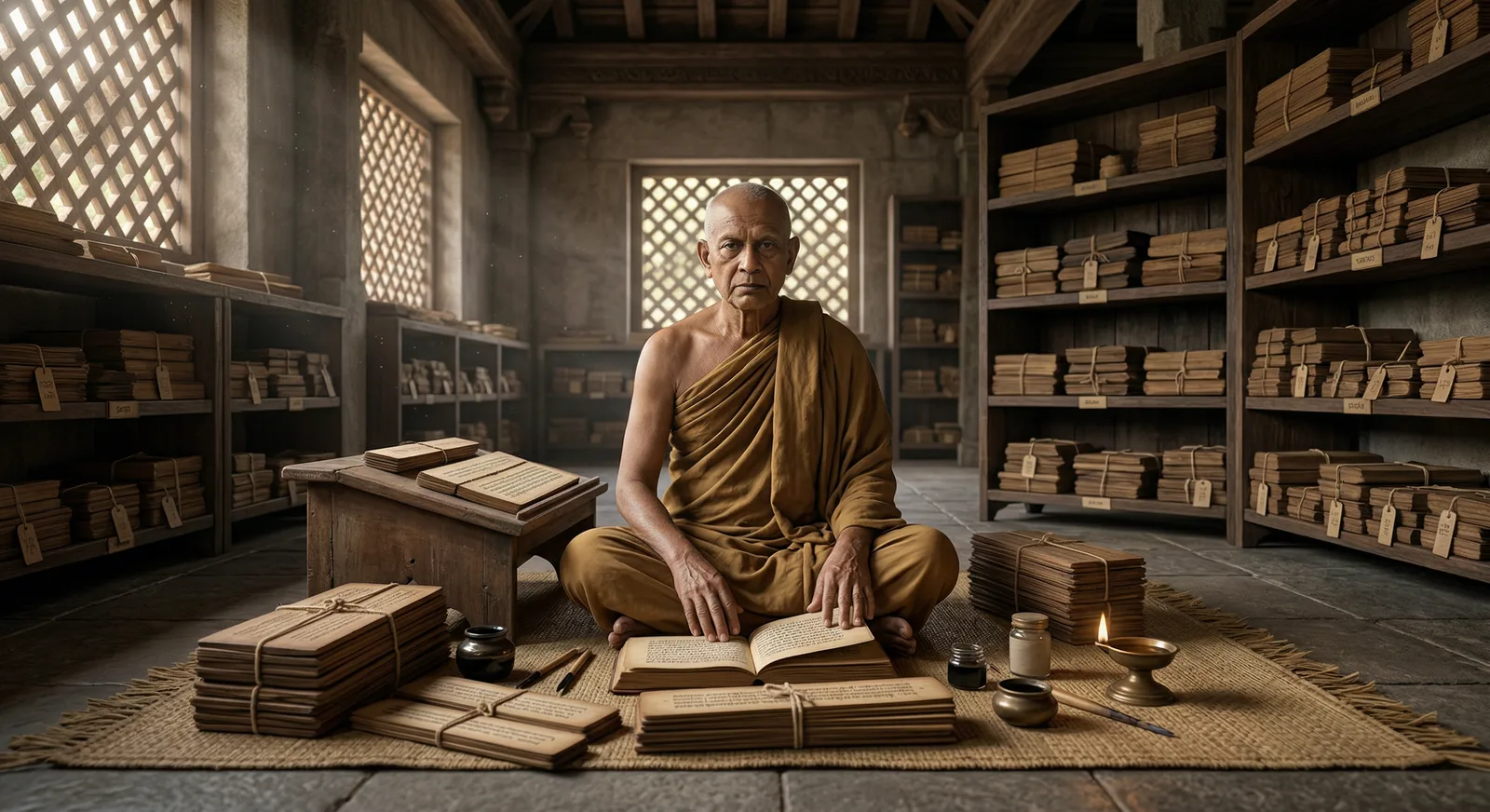
Buddhaghosa
Theravāda clarity and method: the three trainings, practical discipline, and wise use of maps
Vajrayana

Kangyur
The Tibetan Buddhist canon containing the translated words of the Buddha
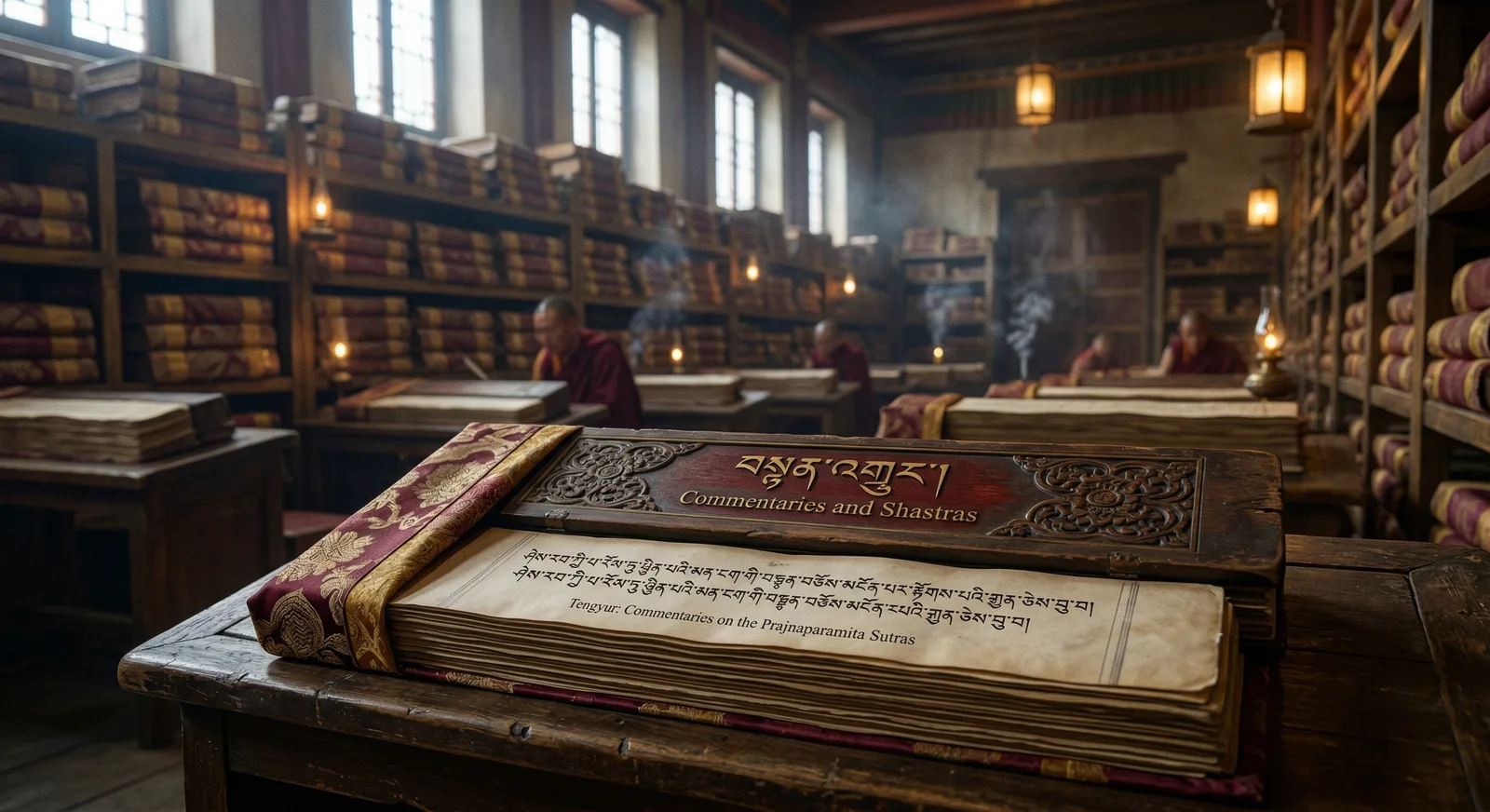
Tengyur
The Tibetan Buddhist canon of commentaries and scholastic treatises
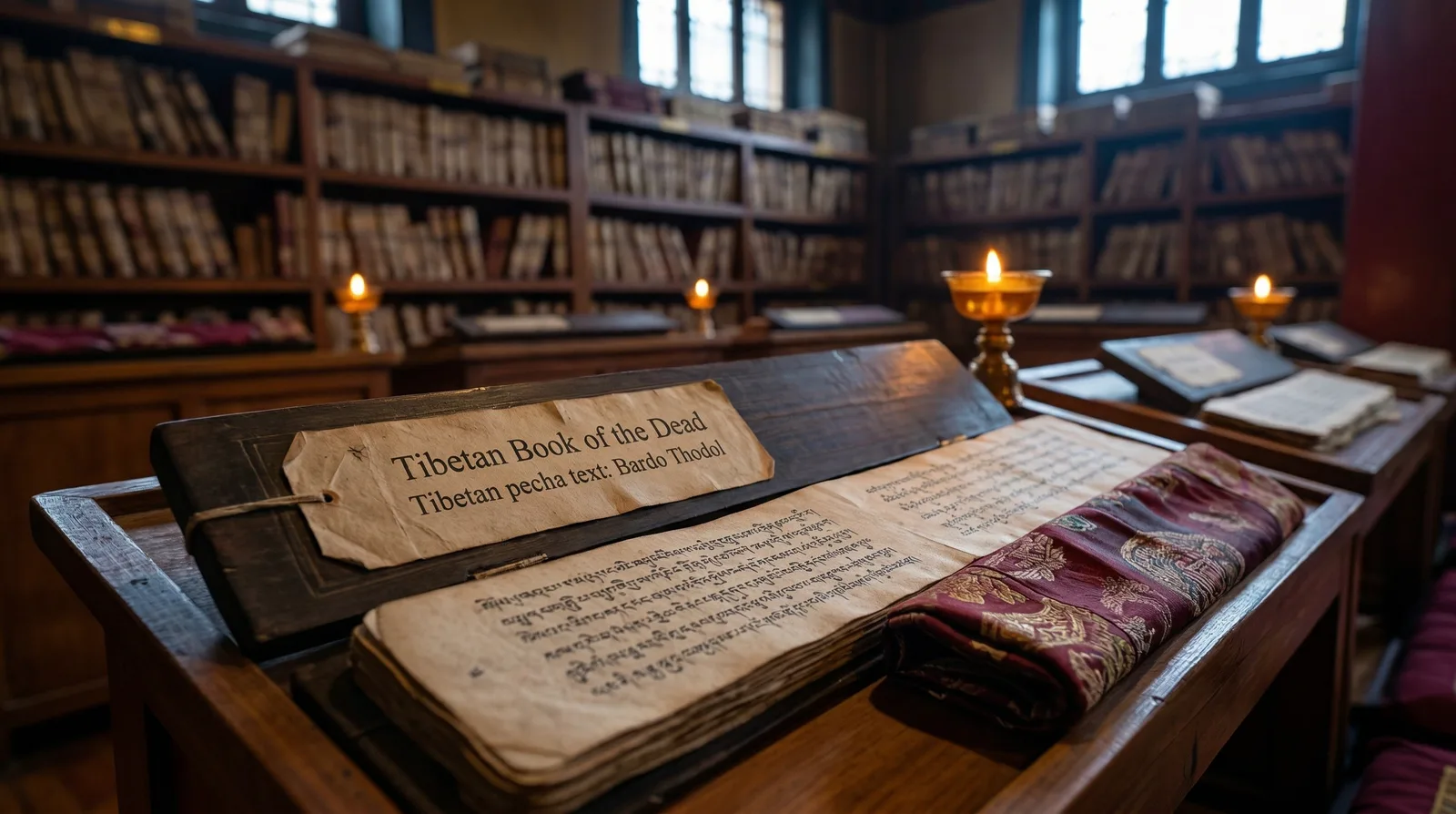
Tibetan Book of the Dead
A Tibetan Buddhist guide to death, the intermediate states, and liberation
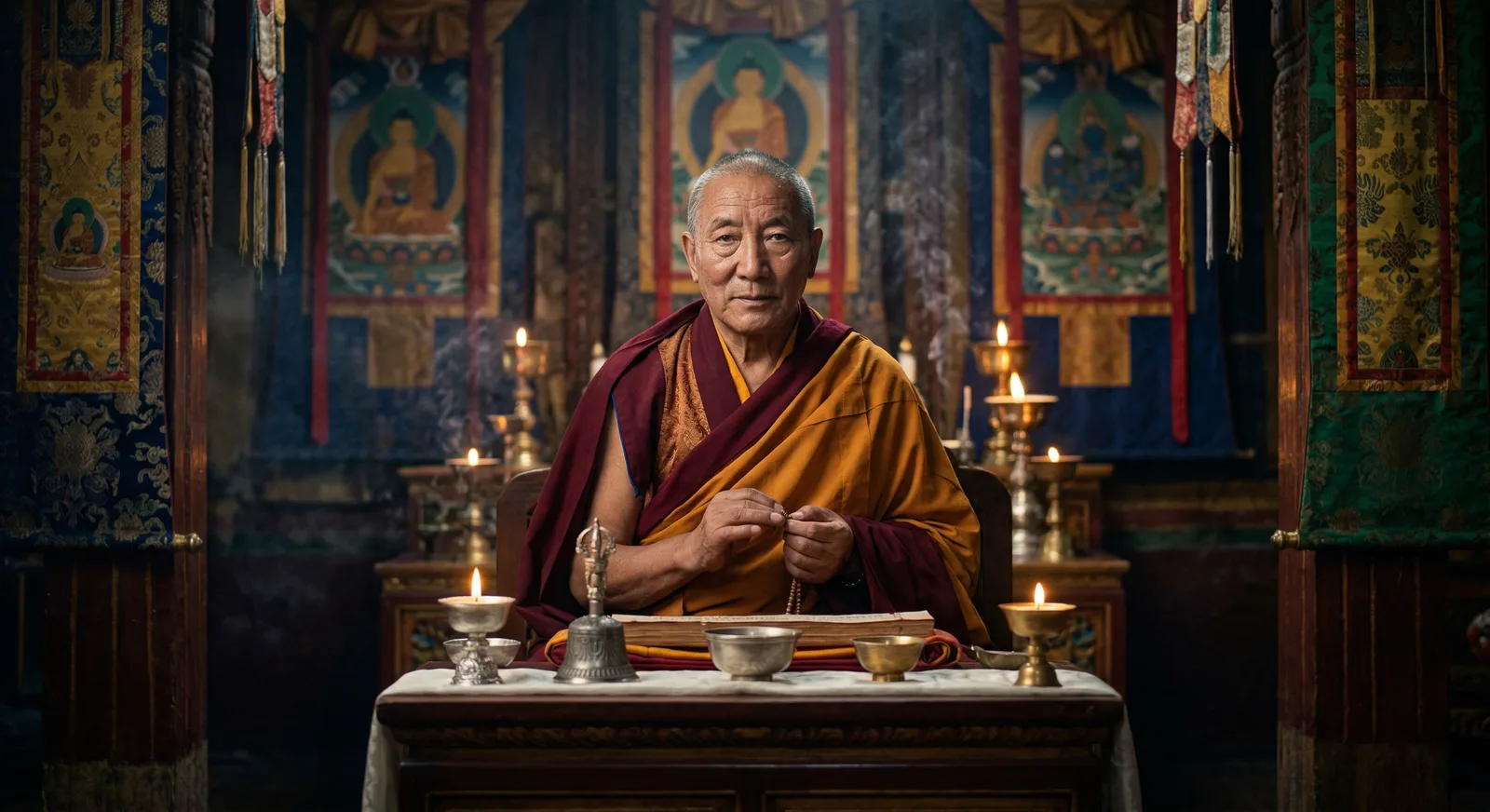
Vajrayana
The tantric Buddhist path of transformation, mantra, and enlightened skillful means
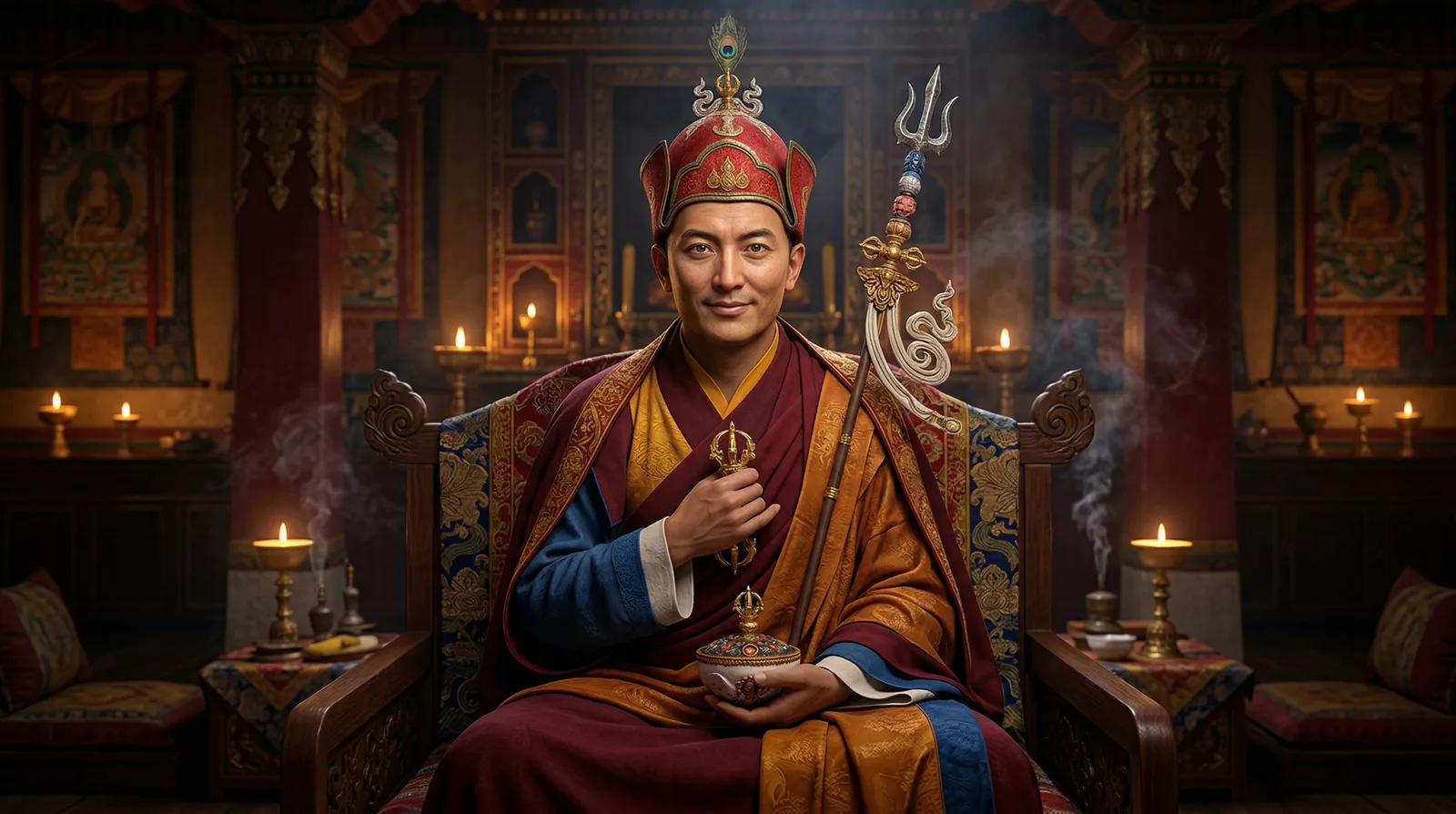
Padmasambhava
Guru Rinpoche: the Lotus-Born master of Vajrayana transformation, devotion, and awakened presence