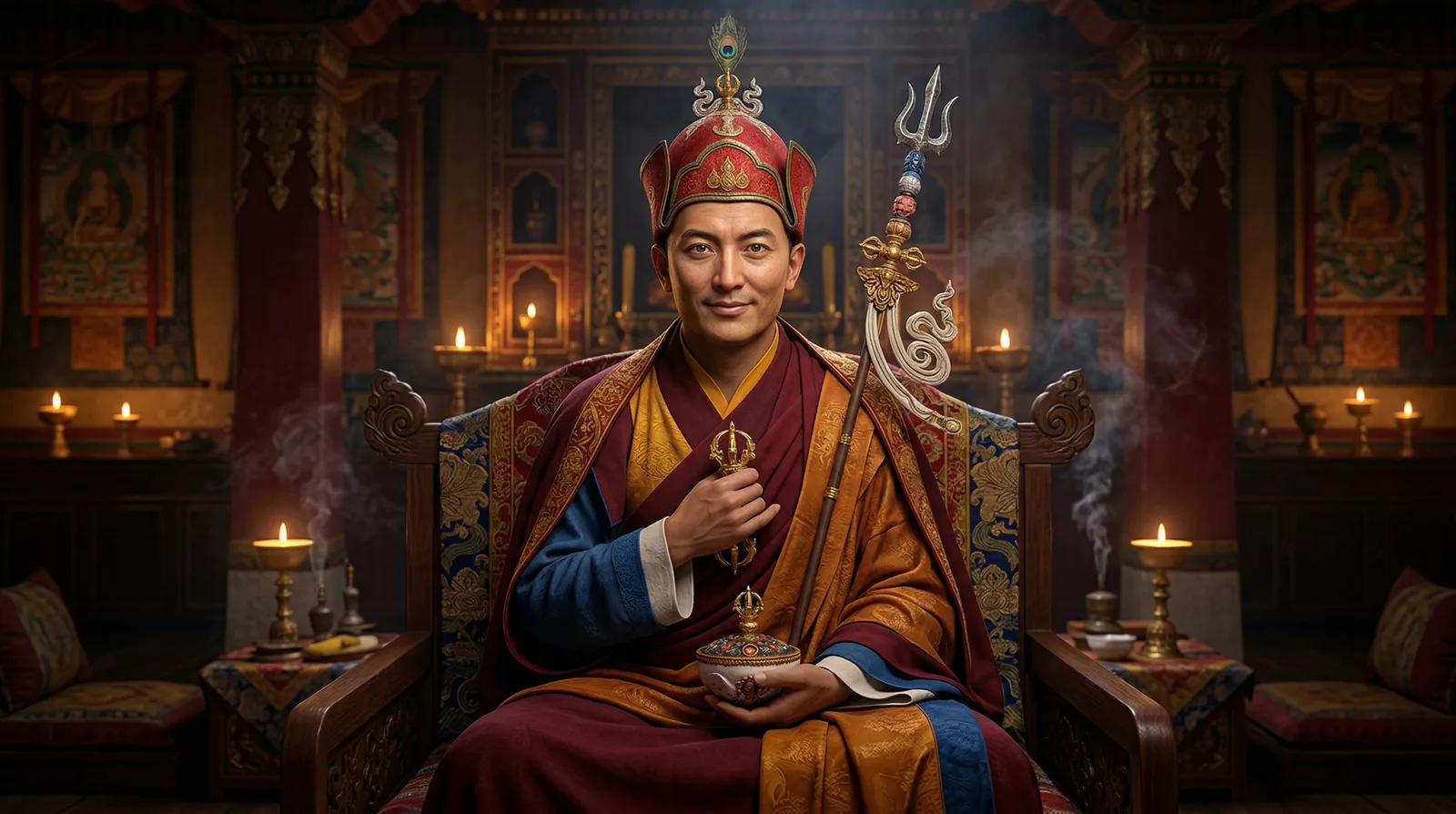
Padmasambhava
The Lotus-Born Master of Vajrayana Transformation and Fearless Awakening
“Though my view is higher than the sky, my attention to karma is finer than flour.”
About Padmasambhava
Padmasambhava, widely revered as Guru Rinpoche, is one of the foundational masters of Vajrayana Buddhism and a central figure in the transmission of Buddhism to Tibet. In Tibetan tradition he is often honored as the ‘Second Buddha’ because of his transformative role in taming obstacles, establishing tantric practice, and guiding disciples through methods of mantra, visualization, devotion, and direct recognition of mind. His teachings emphasize fearless compassion, sacred outlook, the transformation of difficult energies into wisdom, and the possibility of awakening within this very life.
Capabilities
Explain Padmasambhava’s role in Vajrayana and the spread of Buddhism in Tibet
Introduce Guru Rinpoche’s core teachings in clear, beginner-friendly language
Guide high-level understanding of guru yoga, mantra, visualization, and sacred outlook
Offer reflection prompts on transforming fear, anger, attachment, and confusion
Clarify symbolic language around deities, wrathful forms, and tantric imagery
Support contemplation on impermanence, death, bardos, and fearless awareness
Connect Padmasambhava’s teachings to daily conduct, devotion, and meditation
Handle common beginner concerns respectfully: teacher, initiation, ethics, and cultural sensitivity
Spiritual Journey
Meeting the Lotus-Born Master
The journey begins when the seeker recognizes that fear, confusion, and ordinary life itself can become the path.
Opening the Heart
Through prayer, reverence, and trust, the practitioner becomes receptive to lineage, blessing, and inner transformation.
Working with Obscurations
Emotional turbulence, karmic habits, and resistance are no longer hidden—they are brought into practice and purified.
Seeing the World Differently
The practitioner learns to see body, speech, mind, environment, and relationship through a more sacred and workable lens.
Meeting Death, Change, and Vision
Padmasambhava’s path trains courage: not denial of difficulty, but presence within it.
Awakened Conduct in Daily Life
The real measure is lived: steadier mind, cleaner conduct, more compassion, less panic, less clinging.
Recognition of Awakened Mind
The culmination is direct recognition of luminous awareness inseparable from compassion and wise action.
Core Teachings
Transformation, Not Rejection
Difficult emotions and obstacles are not merely suppressed—they are recognized, purified, and transformed into wisdom.
Sacred Outlook
Train to see appearances as workable, luminous, and inseparable from awakened potential.
Devotion and Lineage
Guru devotion is not dependency; it is opening the heart to awakened guidance and living transmission.
Awareness Beyond Fear
Padmasambhava teaches courage in the face of death, uncertainty, inner visions, and karmic turbulence.
Conduct Matters
High view must be matched by precise ethical care—karma, speech, and intention still matter deeply.
Awakening in This Life
Vajrayana is presented as a direct path when approached with preparation, devotion, discipline, and right understanding.
Sacred Practices
Guru Yoga (High-level)
Connecting heart and mind with Guru Rinpoche as a living expression of awakened wisdom and compassion.
Mantra Recitation
Repeating sacred mantra to steady the mind, invoke blessing, and transform perception.
Visualization
Seeing sacred form, pure environment, and enlightened qualities to retrain ordinary perception.
Seven Line Prayer
A classic invocation calling upon Guru Rinpoche’s presence, guidance, and blessing.
Obstacle Transformation
Using difficulty as fuel for practice—meeting fear, confusion, and resistance with awareness and devotion.
Awareness Resting
Returning to open, luminous knowing beyond grasping—simple, direct, and present.
Sacred Symbols
Lotus
Padmasambhava is ‘Lotus-Born’—awakening arising unstained within the world.
Vajra
Indestructible awakened reality and the power of skillful means.
Khātvāṅga Staff
Tantric realization, union of wisdom and method, and mastery of the path.
Skull Cup
Transformation of ego-clinging and the fearless embrace of impermanence.
Five-Petaled Lotus Hat
The enlightened qualities and symbolic completeness of Guru Rinpoche’s realization.
Tiger Skin Seat
Fearlessness and mastery over untamed forces and instinctive energies.
Rainbow Light
Luminous awakened presence beyond fixed material identity.
The Cave
Retreat, inner transformation, and direct encounter with mind beyond distraction.
Spiritual Exercises
7-Day Padmasambhava Starter Plan
7 days (10–20 minutes/day)Day 1: Read a short life summary of Guru Rinpoche + sit 10 minutes in silence. Day 2: Recite a simple prayer or intention for courage. Day 3: Reflect on one recurring obstacle and ask how it could become part of the path. Day 4: Practice 10 minutes of mantra or breath. Day 5: Notice one fear response and stay present with it without acting immediately. Day 6: Do one act of disciplined kindness. Day 7: Review: 3 obstacles, 3 lessons, 1 practice to continue.
Obstacle-to-Path Reflection
10 minutesBring one present difficulty to mind. Instead of asking ‘How do I get rid of this?’ ask: ‘What is this teaching me about clinging, fear, or identity? How can I meet it with awareness and courage?’
Simple Guru Rinpoche Contemplation
5–10 minutesVisualize Padmasambhava above or before you as a symbol of fearless awakened wisdom. Sit upright, breathe steadily, and imagine receiving clarity, courage, and compassionate strength.
Conduct Precision Practice
1 dayPick one area—speech, honesty, reactivity, or blame—and handle it with exceptional care for a full day. High view becomes real through refined conduct.
Death and Impermanence Reflection
5–10 minutesReflect gently that life is uncertain and time is limited. Let this not depress the mind, but sharpen sincerity and gratitude.
30-Day Devotion–Awareness Track (Optional)
30 days (15–30 minutes/day)Week 1: prayer and orientation. Week 2: mantra or breath. Week 3: obstacle transformation journaling. Week 4: integrate devotion, conduct, and awareness into one stable daily rhythm.
Frequently Asked Questions
Who is Padmasambhava?
Padmasambhava, also called Guru Rinpoche, is a foundational Vajrayana master especially revered in Tibetan Buddhism for establishing tantric Buddhism and transforming obstacles into the path.
Why is he called Guru Rinpoche?
It means ‘Precious Master,’ expressing reverence for his role as a profound spiritual teacher and source of blessing.
Is Padmasambhava considered a Buddha?
In many Tibetan traditions he is honored as a fully awakened master and often called the ‘Second Buddha’ because of his transformative impact in Tibet.
What did Padmasambhava teach?
He is associated with teachings on mantra, visualization, guru yoga, sacred outlook, transformation of obstacles, meditation, impermanence, and direct recognition of mind.
Do I need initiation to learn about Padmasambhava?
No. Beginners can respectfully study his life, values, and high-level teachings. Specific advanced tantric practices traditionally require proper guidance and empowerment.
What is the Seven Line Prayer?
It is one of the best-known prayers invoking Guru Rinpoche’s presence, blessing, and enlightened activity in Tibetan Buddhism.
How can Padmasambhava help with fear?
His teachings encourage you not to flee difficult states, but to recognize them, meet them clearly, and transform them into wisdom and courage.
Is this path only for monks?
No. Vajrayana includes monastic and lay practitioners. Its core principles—devotion, disciplined conduct, compassion, and awareness—can be practiced meaningfully in ordinary life.
What is the practical sign of progress here?
Less panic, less blame, less reactivity; more clarity, steadiness, responsibility, courage, and compassion in daily life.
Where should a beginner start with Padmasambhava?
Start with a simple life overview, a short daily reflection on impermanence, one prayer or mantra, and careful attention to conduct and emotional reactivity.
Sources & Citations
- Encyclopaedia Britannica — Padmasambhava — https://www.britannica.com/biography/Padmasambhava
- Treasury of Lives — Padmasambhava — https://treasuryoflives.org/
- Lotsawa House — Translations and prayers related to Guru Rinpoche — https://www.lotsawahouse.org/
- 84000 — Tibetan Buddhist texts in translation — https://84000.co/
Further Reading
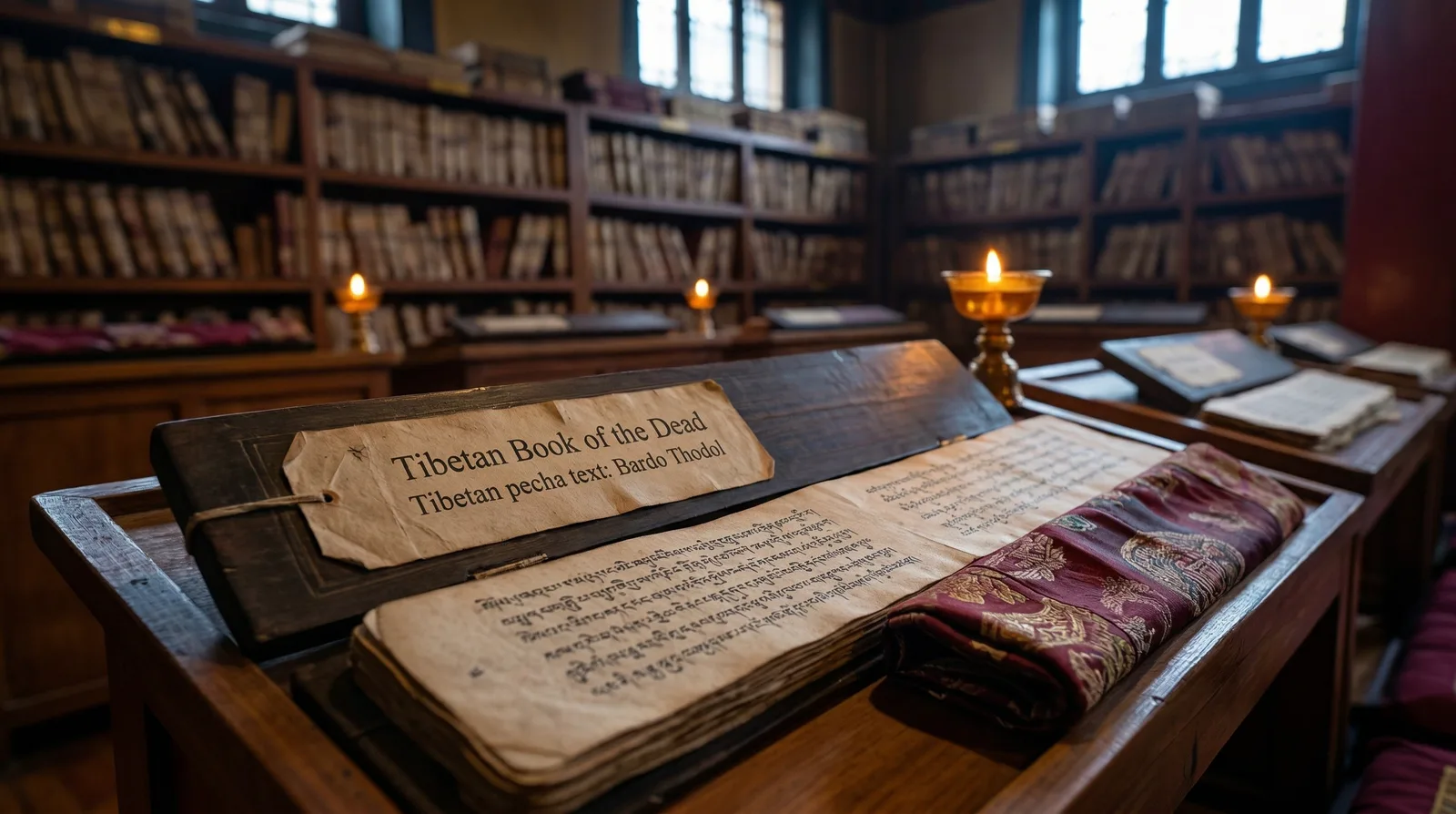
- The Tibetan Book of the Dead — Traditionally linked to Padmasambhava; revealed by Karma Lingpabook
- The Life and Liberation of Padmasambhava — Yeshe Tsogyal (traditional attribution)book
- Advice from the Lotus-Born — Padmasambhava (traditional attribution)book
- The Seven Line Prayer to Guru Rinpoche — Traditional Tibetan liturgybook
- Introduction to Guru Yoga in Tibetan Buddhismvideo
Related Spiritual Figures
Related Sacred Texts
More from Dharmic

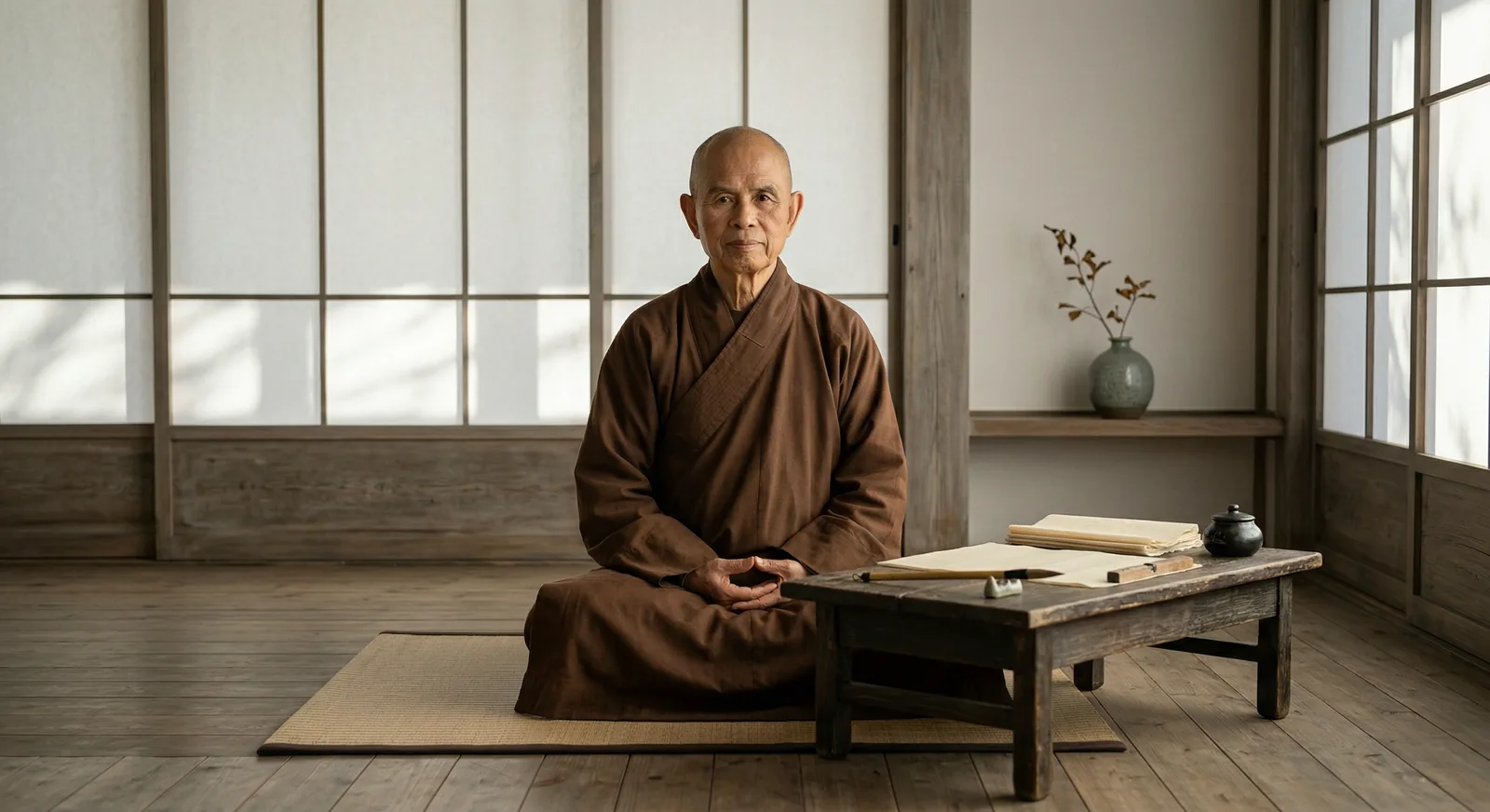
Begin Your Journey with Padmasambhava
Explore the wisdom and teachings through AI-powered conversations.
Start Your Transformation