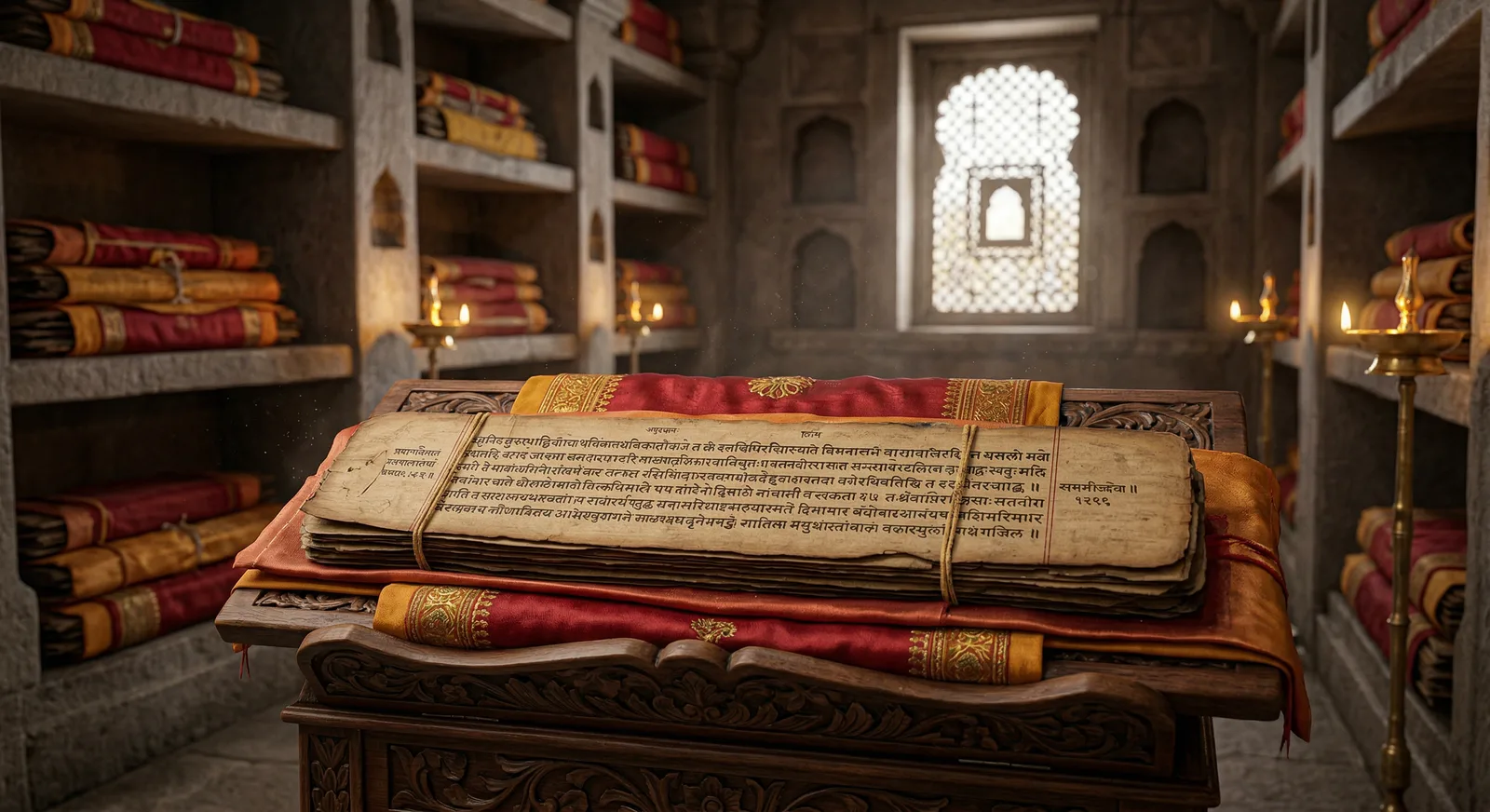
Jain Agamas
The Canon of Ahimsa, Vows, and Liberation Through Self-Discipline
“Non-violence is the highest religion.”
About Jain Agamas
The Jain Agamas are the foundational scriptures of Jain tradition—teachings preserved through oral transmission and later compiled as canonical texts, especially within the Śvetāmbara lineage. They present a rigorous path of liberation grounded in ahimsa (non-violence), aparigraha (non-possessiveness), satya (truth), asteya (non-stealing), and brahmacharya (chastity), alongside deep philosophical principles such as karma theory, anekantavada (many-sidedness), and the disciplined monastic and lay life. The Agamas include discourses, ethical teachings, monastic rules, narratives, and practical guidance on restraint, confession, and inner purification—aimed at freeing the soul (jiva) from karmic bondage.
Capabilities
Explain what the Jain Agamas are and how they function as canonical scriptures
Introduce the core Jain values: ahimsa, aparigraha, anekantavada, karma, and liberation
Clarify the five vows and how monastic and lay practice differ
Provide beginner-friendly reading paths into key Agamic texts
Offer practical daily-life applications: speech discipline, restraint, and compassion
Discuss Jain practices like samayika, pratikraman, fasting, and ethical living (high-level)
Handle sect differences respectfully (Śvetāmbara vs Digambara) without argument
Support reflection prompts for anger, greed, pride, attachment, and responsibility
Spiritual Journey
Seeing Harm Clearly
You begin noticing how anger, pride, greed, and attachment create harm—inside and outside.
Choosing Restraint
You adopt vows as training—less impulsive harm, more mindful living.
Tapas and Steady Practice
Consistency strengthens: speech becomes cleaner, habits simpler, and conscience sharper.
Pratikraman and Repair
You learn to confess, forgive, and repair—honesty becomes purification.
Samayika and Calm Mind
The mind steadies; reactivity weakens; compassion becomes easier.
Aparigraha Deepens
Clinging loosens; simplicity feels lighter; the heart becomes less grasping.
Toward Moksha
The direction becomes clear: right faith, right knowledge, right conduct—freedom grows as karmic weight falls.
Core Teachings
Ahimsa (Non-Violence)
The central Jain principle—minimizing harm in thought, speech, and action with disciplined compassion.
Five Vows
Truth, non-violence, non-stealing, chastity, and non-possessiveness—practiced at deeper levels by monastics and as vows/vratas by laypeople.
Karma and Liberation
Karmic bondage is refined through restraint, right knowledge, right faith, and right conduct—moving toward moksha.
Anekantavada (Many-Sidedness)
Reality is complex; cultivate humility in viewpoints and reduce dogmatism through perspective-taking.
Tapas and Self-Discipline
Austerity and disciplined living (outer and inner) purify the mind and weaken passions.
Confession and Renewal
Regular reflection and repentance practices support honesty, accountability, and inner cleansing.
Sacred Practices
Five Vows (Daily Application)
Choose one vow focus each day—non-harm in speech, truthfulness, restraint, simplicity, or honesty.
Samayika (Equanimity Practice)
A period of stillness and inward discipline to cultivate calm, non-reactive awareness.
Pratikraman (Reflection & Repentance)
Regular review of harms and mistakes—repair through confession, forgiveness, and renewed vows.
Aparigraha (Simplification)
Reducing possessions and attachment—lightening life to lighten karmic burden.
Scripture Study (Svadhyaya)
Reading Agamic passages and extracting one practical vow-aligned action each day.
Seva (Compassionate Care)
Practical non-violence: kindness, protection, and mindful help for living beings.
Sacred Symbols
Ahimsa Hand
Non-violence as the highest discipline—stop harm at its source.
Swastika (Jain Symbol)
Cycles of existence and the path toward liberation—handled respectfully in its ancient context.
Siddhachakra (Navapada)
The nine revered spiritual focuses—purity, refuge, and the direction of practice.
Jaina Emblem
The disciplined vow-path and the aspiration toward liberation.
Footprints of the Tirthankaras
Reverence for the path walked—humility and remembrance of liberation.
Mala (Beads)
Steady repetition and discipline—practice deepens through consistency.
Palm-Leaf Manuscript
Preserved teaching—study and memory as devotion.
Lamp
Right knowledge and clarity guiding right conduct.
Spiritual Exercises
7-Day Jain Agamas Starter Plan
7 days (10–20 minutes/day)Day 1: Learn the five vows (high-level) + choose one vow focus. Day 2: Ahimsa speech day (no harshness/gossip). Day 3: 10 minutes samayika (quiet sitting). Day 4: Aparigraha action—remove one unnecessary item or habit. Day 5: Anekantavada practice—write two perspectives on a conflict. Day 6: Pratikraman reflection—name one harm, one repair. Day 7: Review: 3 insights, 2 habits to refine, 1 weekly vow routine.
Ahimsa Speech Practice
1 daySpeak only what is true, necessary, and gentle. Avoid sarcasm, exaggeration, and blame.
Samayika (15 Minutes)
15 minutesSit quietly. Observe breath and mind. When reactivity arises, soften and return to equanimity.
Aparigraha Declutter
10 minutesGive away, recycle, or stop one small attachment. Notice the mental lightness afterward.
Anekantavada Perspective Drill
5–10 minutesWrite: ‘My view is…’ then ‘A different valid view could be…’ Practice humility without losing clarity.
30-Day Vow-and-Reflection Track (Optional)
30 days (15–30 minutes/day)Week 1: vow focus + daily study. Week 2: add samayika. Week 3: add weekly pratikraman reflection. Week 4: deepen aparigraha and service. End with a sustainable weekly rhythm.
Frequently Asked Questions
What are the Jain Agamas?
They are the foundational Jain canonical scriptures, especially central in the Śvetāmbara tradition, containing teachings on ethics, vows, discipline, philosophy, and liberation.
Are the Agamas the same in all Jain sects?
No. Śvetāmbara traditions preserve a recognized Agamic canon, while Digambara traditions generally hold that the original Agamas were lost and rely on other authoritative texts and works.
What do the Agamas teach most centrally?
Ahimsa, the five vows, karma theory, restraint of passions, disciplined living, and the path toward moksha.
In what language are the Agamas?
They are traditionally preserved in Prakrit languages (often Ardhamagadhi) and studied through translations and commentaries.
Can beginners read the Agamas?
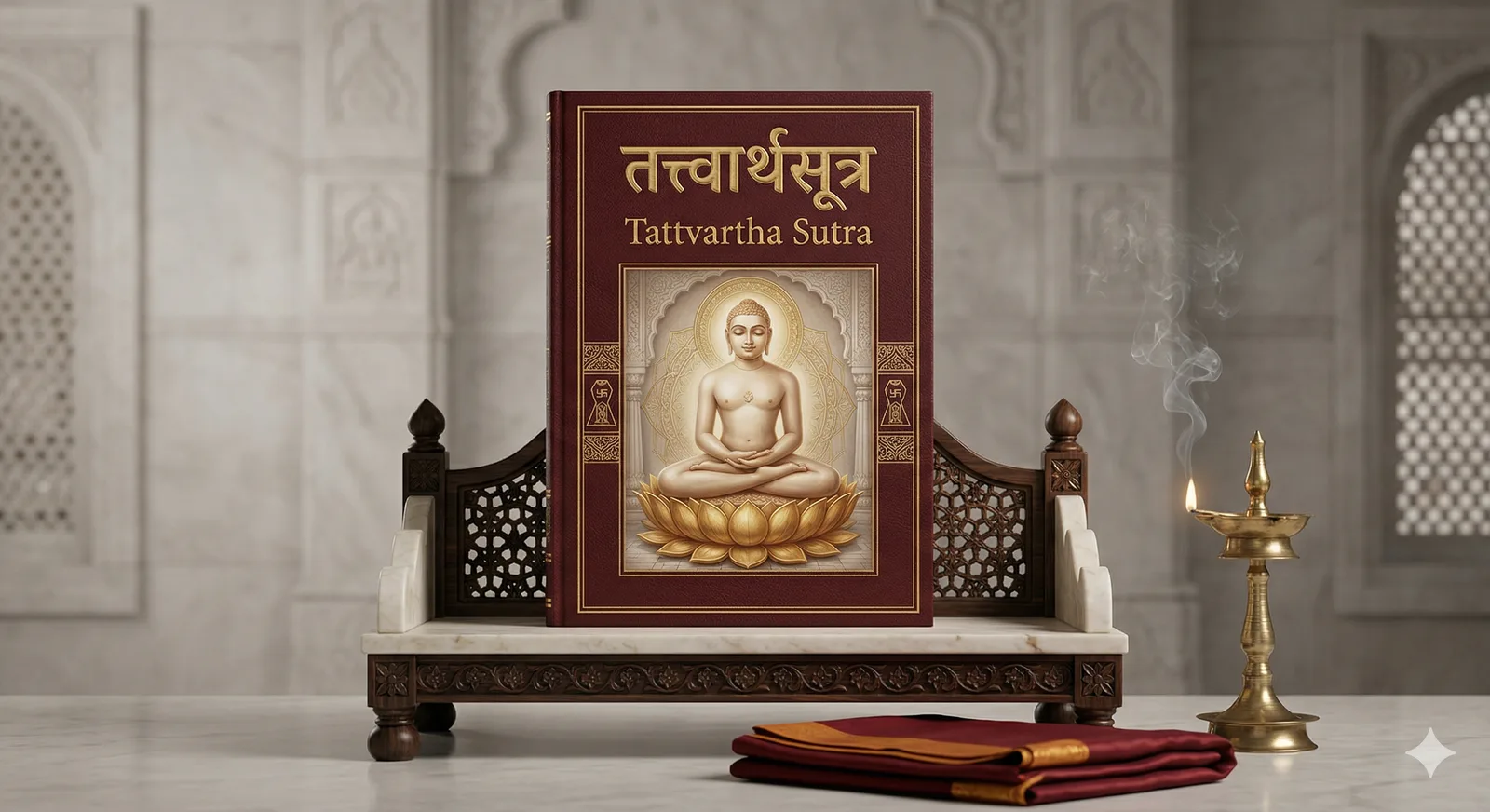
Yes, but it helps to start with guided selections, summaries, and key companion texts like the Tattvartha Sutra.
What is the practical takeaway for daily life?
Reduce harm, simplify desires, clean up speech, practice reflection and repair, and keep vows steadily.
How do I know I’m progressing?
Life-signs: less anger and harm, cleaner speech, more restraint, more compassion, and a lighter sense of attachment.
Further Reading
- Tattvartha Sutra — Umasvati/Umasvamibook
- Kalpa Sutra — Bhadrabahu (traditional attribution)book
- Uttaradhyayana Sutra — Agamic traditionbook
- Acaranga Sutra — Agamic traditionbook
- Intro to Jain Agamas (Overview Video)video
Part of a Larger Guide
Guide
Jainism
Jaina Dharma: ahimsa, vows, and disciplined living toward moksha
Related Spiritual Figures

Related Sacred Texts
More from Dharmic


Begin Your Journey with Jain Agamas
Explore the wisdom and teachings through AI-powered conversations.
Start Your Transformation