
Guru Granth Sahib
The Living Guru of Sikhism—Naam, Truth, Humility, and Liberation Through the Divine Word
“Ik Onkar — There is One Reality.”
About Guru Granth Sahib
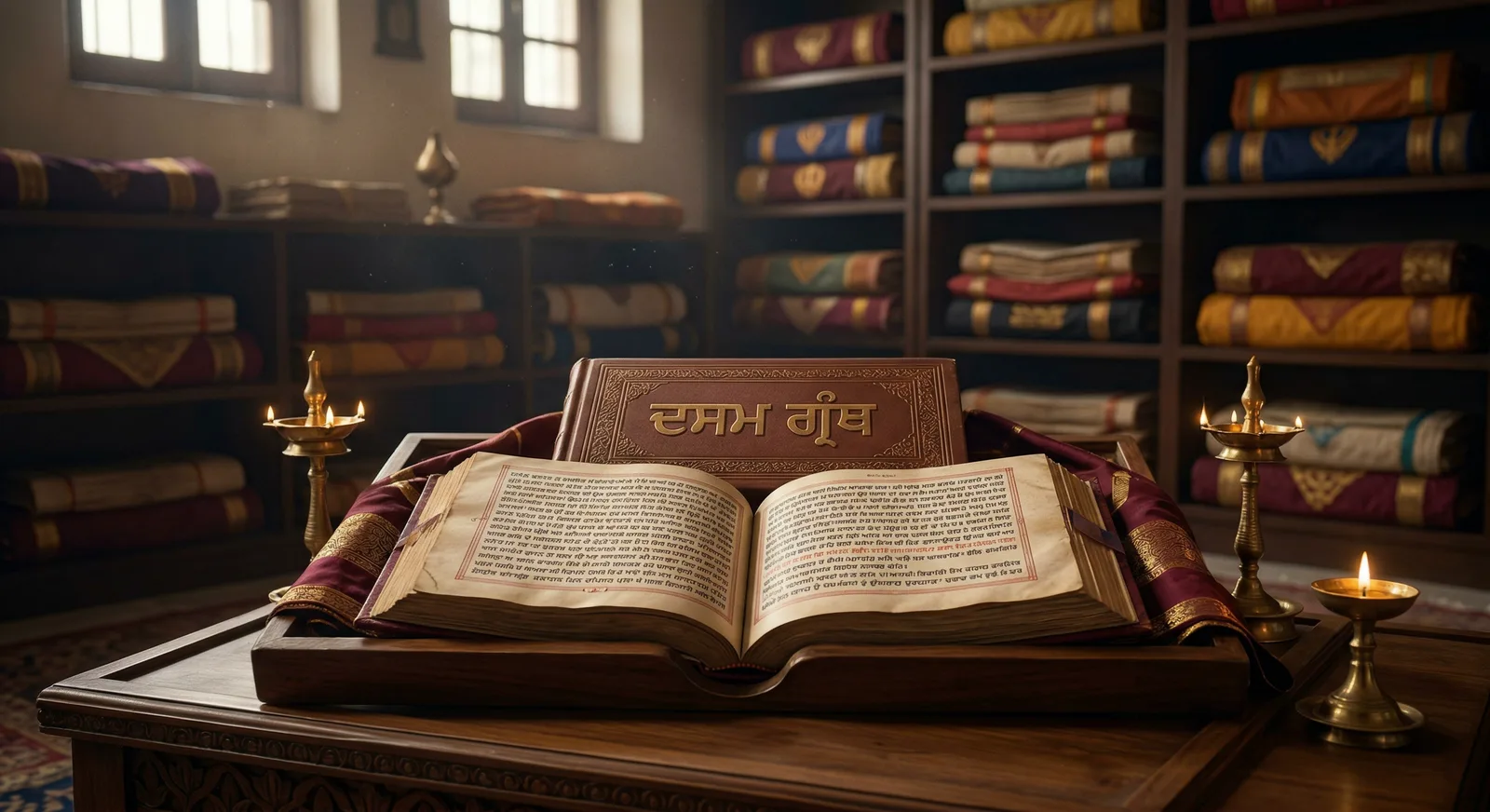
The Guru Granth Sahib is the primary scripture and living Guru of Sikhism. Compiled and first installed as the Adi Granth by Guru Arjan (the 5th Guru) and later affirmed as the eternal Guru by Guru Gobind Singh (the 10th Guru), it contains hymns (gurbani) of the Sikh Gurus and selected Bhagats and saints from diverse backgrounds. The text centers on devotion to the One Formless Divine (Ik Onkar), remembrance of Naam, truthful living, humility, honest work, sharing, and compassionate service. It guides seekers away from superstition and ego toward inner transformation through the Divine Word—cultivating love, discipline, justice, and grace in daily life.
Capabilities
Explain what the Guru Granth Sahib is and why Sikhs regard it as the living Guru
Introduce core Sikh teachings: Ik Onkar, Naam, hukam, seva, and humility
Provide beginner-friendly reading/listening pathways (Japji Sahib, Sukhmani Sahib, selected shabads)
Offer reflection prompts on ego (haumai), fear, anger, honesty, and service
Guide simple daily practices: Naam simran, kirtan listening, and truthful living
Clarify basic structure concepts (raags, shabads) at a high level without overwhelm
Support respectful interfaith dialogue (the text includes multiple saint voices)
Encourage grounding practice in community values: honest work and sharing
Spiritual Journey
From Restlessness to Sincerity
You begin by recognizing the limits of ego, fear, and hollow ritual—truth becomes the desire.
Naam Enters the Heart
Through simran and shabad, the mind returns again and again to the One.
Haumai Softens
Pride loosens; gratitude grows; relationships become less controlling and more loving.
Living Sach
Truth moves from speech to life: honesty, integrity, and courageous right action.
Seva as Worship
Love becomes practical—service, equality, and sharing replace self-centeredness.
Nadar and Surrender
Effort continues, but the heart relaxes into grace—accepting hukam with steadiness.
The Guru Lived
The teaching becomes character: less fear, less ego, more compassion, more clarity.
Core Teachings
Ik Onkar (One Reality)
The One Formless Divine is the ground of all—beyond division, fear, and hatred.
Naam Simran
Remembrance of the Divine Name purifies the mind and steadies the heart.
Truthful Living (Sach)
Spirituality is proven by life: honesty, integrity, and courage in daily conduct.
Ego-Reduction (Haumai)
Freedom grows as pride and self-centeredness dissolve into humility and love.
Seva and Sharing
Serve without ego and share with others—compassion as worship.
Grace (Nadar)
Effort matters, but liberation ultimately blossoms through divine grace and surrender.
Sacred Practices
Naam Simran (Remembrance)
Repeat and remember the Divine Name with attention and humility—steadying mind and heart.
Kirtan (Singing Gurbani)
Devotional singing that softens ego and brings the mind into love and clarity.
Nitnem (Daily Banis)
Daily recitations (e.g., Japji Sahib) as a rhythm of remembrance and ethical alignment.
Seva (Service)
Serve without ego—practical compassion as worship (including community service and langar spirit).
Kirat Karni (Honest Work)
Earn honestly and live responsibly—spirituality expressed through integrity.
Vand Chakna (Sharing)
Share what you have—time, resources, food—reducing greed and strengthening community.
Sacred Symbols
Ik Onkar
The oneness of Reality—beyond division, fear, and hatred.
Khanda
Disciplined strength aligned with truth and justice.
Raag (Sacred Melody)
Sound as medicine—spiritual teaching carried through music to transform the heart.
Shabad (Divine Word)
The Guru’s voice—wisdom that shapes mind and conduct.
Palki and Rumala
Reverence for the living Guru—humility and care in approach.
Langar
Equality and service—food shared without hierarchy.
Lamp
Inner illumination—truth guiding action.
Bridge
Union of devotion and daily living—spirituality expressed through conduct.
Spiritual Exercises
7-Day Guru Granth Sahib Starter Plan
7 days (10–20 minutes/day)Day 1: Read a short overview of Ik Onkar + 10 minutes quiet Naam simran. Day 2: Listen to one shabad in kirtan form. Day 3: Clean speech day (truth without cruelty). Day 4: Read or recite Japji Sahib (or a short section) with one reflection. Day 5: Do one act of seva without credit. Day 6: Practice vand chakna—share time or resources. Day 7: Review: 3 insights, 2 habits to refine, 1 daily routine to keep.
Naam Simran (10 Minutes)
10 minutesSit calmly and repeat a Divine Name (e.g., Waheguru) with attention. When the mind wanders, return gently.
Shabad Reflection
10 minutesRead a short shabad translation and ask: What ego pattern is it pointing to? What one action would embody it today?
Seva Micro-Practice
15 minutesHelp one person or improve one place quietly. Offer the act as worship, not as identity.
Truthful Living Check
2 minutes (daily)Ask: Did I work honestly today? Did I speak truthfully? Did I share? Did I reduce someone’s burden?
30-Day Naam–Seva Track (Optional)
30 days (15–30 minutes/day)Week 1: daily simran + one shabad listening. Week 2: add Japji Sahib (or excerpts) 3x/week. Week 3: weekly seva commitment + clean speech practice. Week 4: integrate: honest work + sharing + humility journaling. End with a sustainable daily rhythm.
Frequently Asked Questions
What is the Guru Granth Sahib?
The Guru Granth Sahib is the primary Sikh scripture and is regarded as the living, eternal Guru of Sikhism.
Who compiled it?
It was compiled and first installed as the Adi Granth by Guru Arjan, and later affirmed as the eternal Guru by Guru Gobind Singh.
What does it contain?
Hymns (gurbani) of the Sikh Gurus and selected Bhagats/saints, organized largely by musical raags, emphasizing Naam, truth, humility, and devotion.
What is a shabad?
A shabad is a hymn/teaching of the Guru—Divine Word intended to transform mind and conduct.
How should a beginner start?
Start with Japji Sahib, listen to kirtan, read short shabad translations, and practice Naam simran and seva daily.
What is the practical message?
Remember the One, live truthfully, work honestly, share, serve with humility, and let ego dissolve into love and courage.
Further Reading
- Japji Sahib — Guru Nanakbook
- Sukhmani Sahib — Guru Arjanbook
- Bhai Gurdas — Vaaran — Bhai Gurdasbook
- Sikh Rehat Maryada — Shiromani Gurdwara Parbandhak Committee (SGPC)book
- Intro to Guru Granth Sahib (Overview Video)video
Part of a Larger Guide
Guide
Sikhism
Sikhi: Ik Onkar, Naam, humility, equality, honest work, sharing, and seva
Related Spiritual Figures


Related Sacred Texts
More from Dharmic






Begin Your Journey with Guru Granth Sahib
Explore the wisdom and teachings through AI-powered conversations.
Start Your Transformation