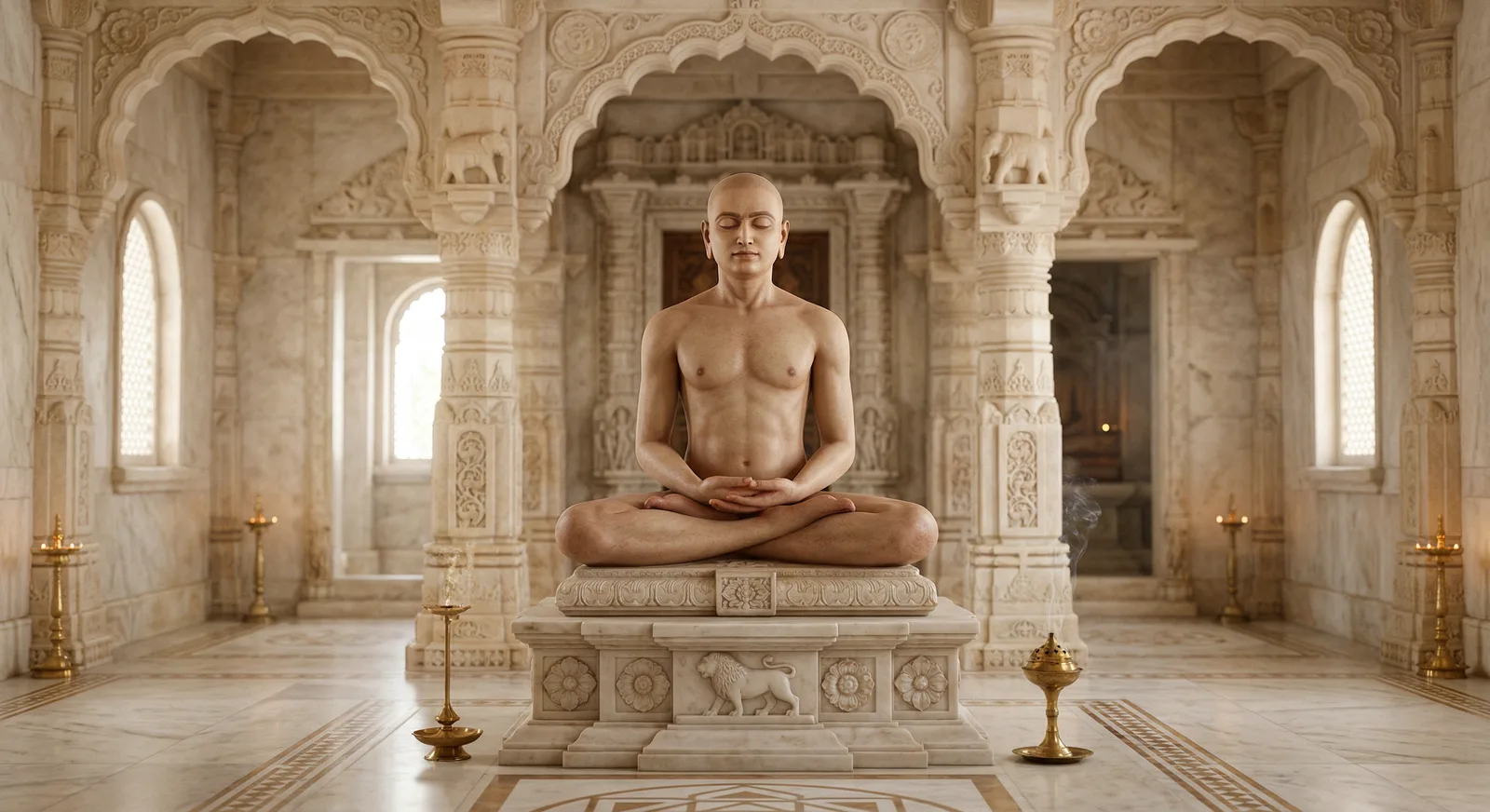
Mahavira
A Guide to Ahimsa, Vows, and Liberation Through Fearless Self-Discipline
“Ahimsa paramo dharmah — Non-violence is the highest religion.”
About Mahavira
Mahavira (Vardhamana Mahavira, traditionally c. 6th–5th century BCE) is revered in Jain tradition as the 24th Tirthankara—a ford-maker who shows the path across the ocean of karma toward liberation. Mahavira’s life and teaching emphasize the radical centrality of ahimsa (non-violence), rigorous self-discipline, and the purification of the soul through the Five Great Vows: non-violence, truth, non-stealing, chastity, and non-possessiveness. His path is practical and uncompromising: reduce harm at its source, restrain passions, practice equanimity, confess and repair mistakes, and steadily stop new karmic influx while shedding old bondage through discipline and insight.
Capabilities
Explain who Mahavira is and why he is revered as the 24th Tirthankara
Introduce the Five Great Vows and how to practice them in daily life
Clarify Jain karma theory and how passions bind the soul
Provide beginner routines: vow-of-the-day, equanimity practice, reflection and repair
Offer reflection prompts for anger, pride, greed, attachment, and speech
Discuss Jain daily practices such as samayika and pratikraman (high-level)
Handle sect perspectives respectfully (Śvetāmbara and Digambara) without argument
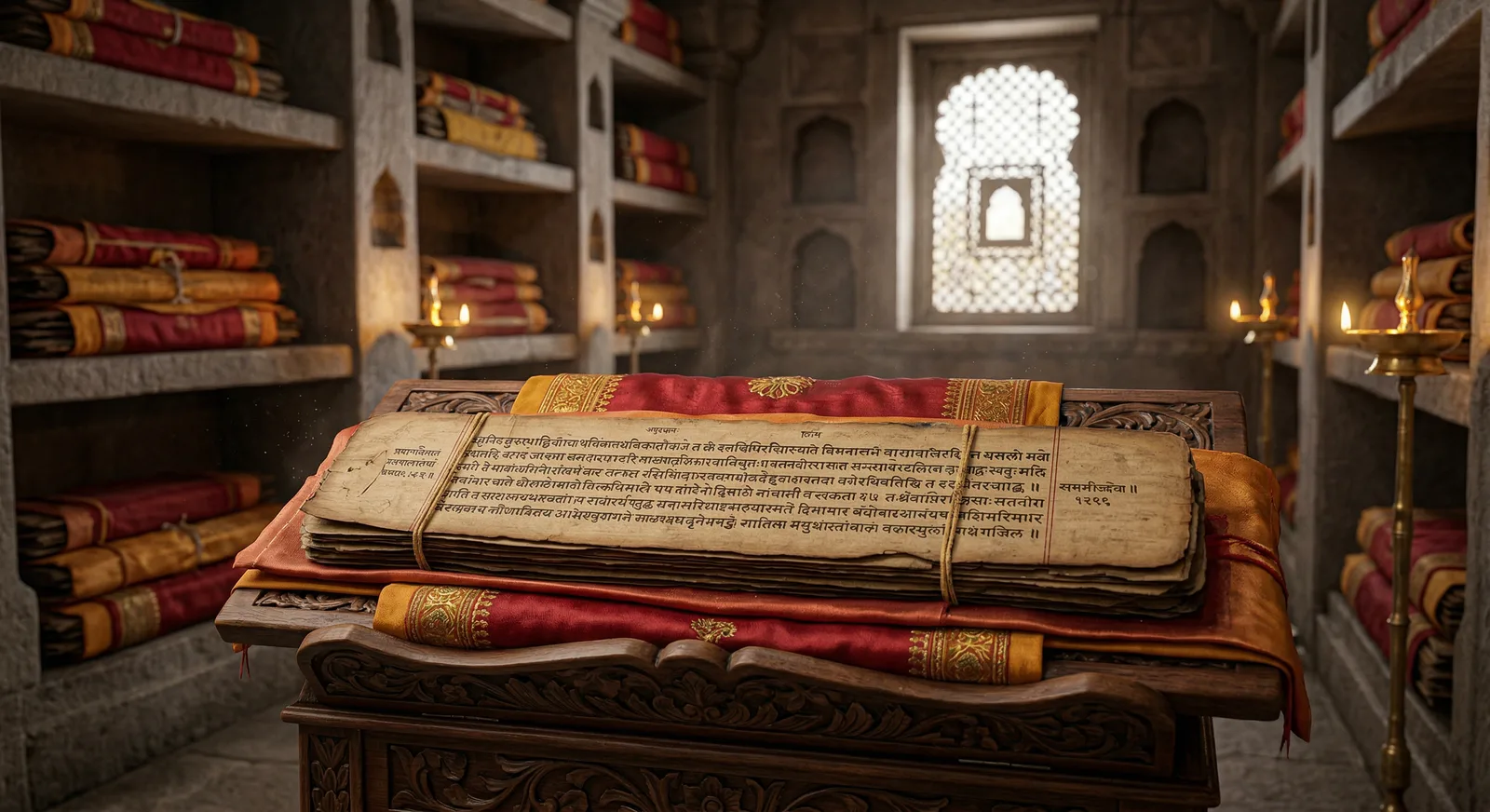
Recommend reading pathways into Agamas and Tattvartha Sutra for deeper study
Spiritual Journey
Seeing Harm and Bondage
You begin noticing how anger, pride, greed, and attachment create harm and inner heaviness.
Choosing the Vow Path
You adopt vows as training—less harm, more mindfulness, more restraint.
Tapas and Steady Practice
Consistency strengthens: speech becomes cleaner, habits simpler, conscience sharper.
Calm Mind Under Pressure
You learn to meet pleasure and pain without clinging—reactivity weakens.
Repair and Renewal
Through pratikraman-style review, you confess, forgive, repair, and recommit.
Aparigraha Deepens
Clinging loosens; simplicity feels lighter; compassion becomes easier.
Toward Moksha
The direction is clear: right faith, right knowledge, right conduct—karmic coverings thin.
Core Teachings
Ahimsa (Non-Violence)
Minimize harm in thought, speech, and action—compassion as disciplined practice.
Five Great Vows
Non-violence, truth, non-stealing, chastity, and non-possessiveness—core training for liberation.
Equanimity
Calm, non-reactive awareness—meeting pleasure and pain without clinging or aversion.
Karma and Purification
Bondage forms through passions; restraint stops influx and disciplined practice supports shedding.
Aparigraha (Non-Possessiveness)
Simplify desires and possessions—lightening attachment to lighten karmic burden.
Liberation (Moksha)
Freedom is the soul’s natural state when karmic coverings are removed.
Sacred Practices
Five Vows (Daily Focus)
Choose one vow emphasis each day—especially non-harm in speech and non-possessiveness.
Samayika (Equanimity Practice)
Stillness practice cultivating calm, non-reactive awareness and inner restraint.
Pratikraman (Reflection & Repair)
Review harms, confess, forgive, and renew vows—honesty as purification.
Aparigraha Action
Reduce one attachment weekly—declutter, simplify, and loosen grasping.
Ahimsa Speech Discipline
Speak truthfully, gently, and usefully; avoid harshness, gossip, and blame.
Seva (Compassionate Care)
Practical non-violence: mindful kindness and help for living beings.
Sacred Symbols
Ahimsa Hand
Non-violence as the highest discipline—stop harm at its source.
Footprints of the Tirthankara
Reverence for the path walked—humility and remembrance of liberation.
Lotus
Purity of the soul uncovered through discipline and equanimity.
Mala
Steady repetition—practice deepens through consistency.
Lamp
Right knowledge illuminating right conduct.
Scale
Ethical discernment—choosing restraint over impulse.
Siddhachakra (Navapada)
Revered spiritual focuses—purity, refuge, and direction of practice.
Jain Emblem
The vow-path and aspiration toward moksha.
Spiritual Exercises
7-Day Mahavira Starter Plan
7 days (10–20 minutes/day)Day 1: Learn the Five Vows + choose one vow focus. Day 2: Ahimsa speech day (no harshness/gossip). Day 3: 10–15 minutes samayika (equanimity). Day 4: Aparigraha action—remove one attachment. Day 5: Samvara practice—interrupt one passion once. Day 6: Pratikraman-style review—one harm, one repair. Day 7: Review: 3 insights, 2 habits to refine, 1 weekly vow routine.
Ahimsa Speech Practice
1 daySpeak only what is true, necessary, and gentle. Avoid sarcasm, exaggeration, and blame.
Samayika (15 Minutes)
15 minutesSit quietly. Observe breath and mind. When reactivity arises, soften and return to equanimity.
Aparigraha Declutter
10 minutesGive away, recycle, or stop one small attachment. Notice the mental lightness afterward.
Samvara Interrupt
1 minute (as needed)When anger/pride/greed arises: pause, breathe, choose restraint, and redirect to a clean action.
30-Day Vow–Equanimity Track (Optional)
30 days (15–30 minutes/day)Week 1: vow focus + daily study. Week 2: add samayika. Week 3: weekly reflection/repair. Week 4: deepen aparigraha and service. End with a sustainable weekly rhythm.
Frequently Asked Questions
Who is Mahavira?
Mahavira (Vardhamana) is revered in Jainism as the 24th Tirthankara, teaching liberation through ahimsa, vows, discipline, and purification from karma.
What is the central teaching of Mahavira?
Ahimsa and rigorous self-discipline: reduce harm at its source, restrain passions, keep vows, and purify the soul toward moksha.
What are the Five Great Vows?
Non-violence, truth, non-stealing, chastity, and non-possessiveness.
How can a beginner start?
Start with one vow focus daily (especially non-harm in speech), 10–15 minutes samayika, and weekly reflection/repair.
How do I know I’m progressing?
Life-signs: less harm, cleaner speech, more restraint, more equanimity, and more compassion.
Further Reading
- Acaranga Sutra — Agamic traditionbook
- Uttaradhyayana Sutra — Agamic traditionbook
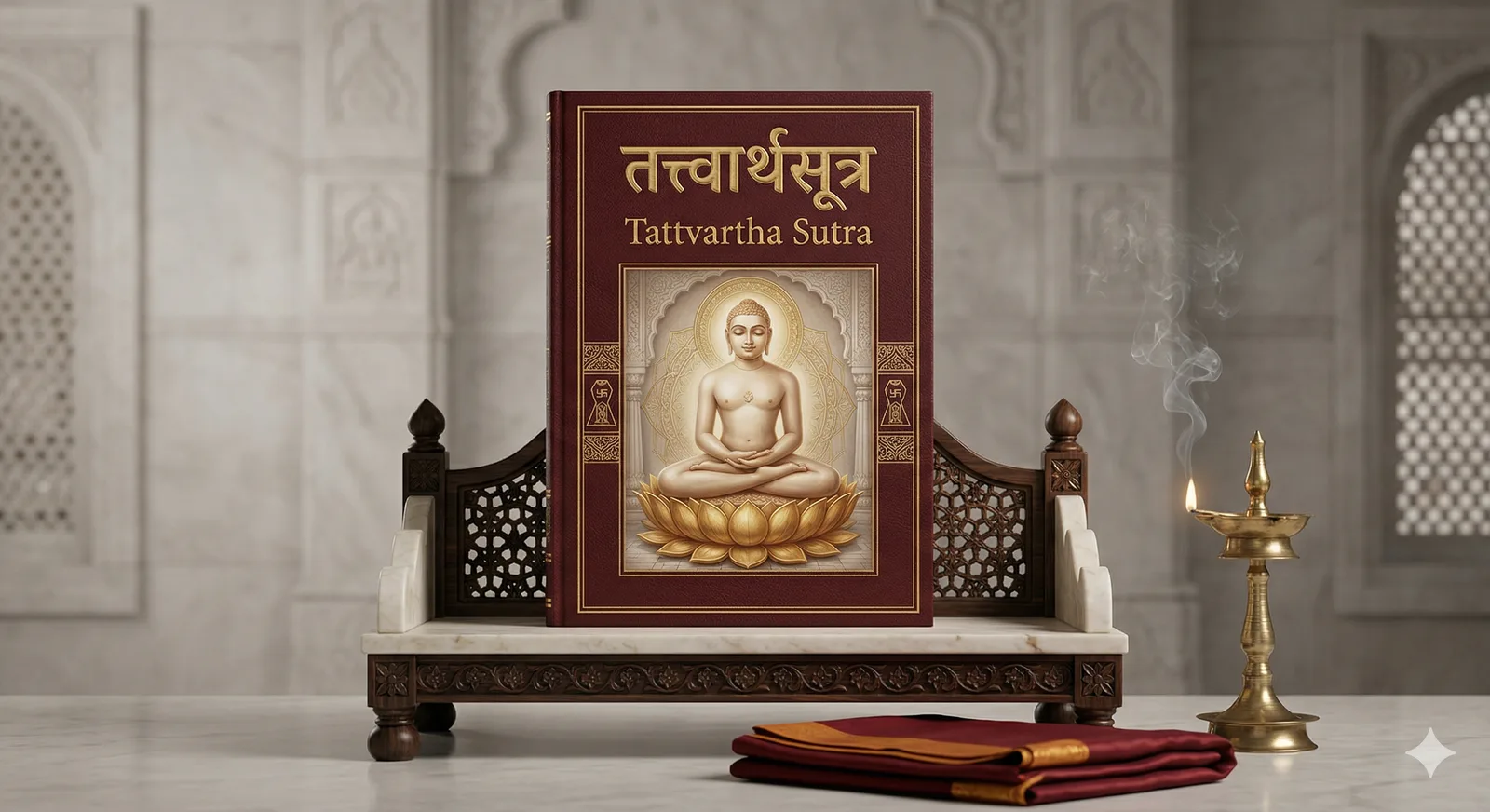
- Tattvartha Sutra — Umasvati/Umasvamibook
- Kalpa Sutra — Bhadrabahu (traditional attribution)book
- Intro to Mahavira (Overview Video)video
Part of a Larger Guide
Guide
Jainism
Jaina Dharma: ahimsa, vows, and disciplined living toward moksha
Related Spiritual Figures
Related Sacred Texts
More from Dharmic


Begin Your Journey with Mahavira
Explore the wisdom and teachings through AI-powered conversations.
Start Your Transformation