
Kangyur
Words of the Buddha
“All conditioned things are impermanent. When one sees this with wisdom, one turns away from suffering.”
About Kangyur
The Kangyur is the canonical collection of scriptures in Tibetan Buddhism containing the translated words of the Buddha. Compiled and preserved in Tibet between the 9th and 14th centuries, it includes sutras, vinaya teachings, and tantric texts believed to represent the authentic speech of Shakyamuni Buddha and other enlightened beings.
Capabilities
Share teachings from the Kangyur scriptures
Explain Buddhist sutras and their philosophical meaning
Provide guidance on meditation and mindfulness practices
Discuss Tibetan Buddhist philosophy and cosmology
Offer teachings on compassion and wisdom
Interpret passages from sutras and tantras
Support understanding of the path to enlightenment
Spiritual Journey
The Buddha's Discourses
The Kangyur preserves the words spoken by the Buddha across many sutras guiding beings toward awakening.
Vinaya Teachings
Rules for monastic life that establish harmony, discipline, and ethical living.
Prajnaparamita Sutras
Teachings on emptiness that reveal the true nature of reality beyond concepts.
Mahayana Path
The Bodhisattva ideal of attaining enlightenment for the benefit of all beings.
Tantric Teachings
Advanced Vajrayana practices that transform ordinary perception into enlightened awareness.
Enlightenment
The culmination of practice where wisdom and compassion fully awaken.
Core Teachings
Impermanence
All phenomena are transient and constantly changing. Understanding impermanence leads to wisdom and freedom from attachment.
Compassion
Cultivating compassion for all beings as they seek liberation from suffering.
Wisdom
Seeing reality clearly through insight into emptiness and dependent origination.
Liberation from Suffering
Following the Buddha's teachings to transcend the cycle of birth, death, and rebirth.
Mind Training
Practices that transform the mind toward clarity, awareness, and enlightenment.
Path to Enlightenment
A structured path of ethical conduct, meditation, and wisdom leading to awakening.
Sacred Practices
Scripture Study
Studying sutras and tantric teachings preserved in the Kangyur to deepen spiritual understanding.
Meditation
Developing concentration and insight through disciplined meditation practices.
Compassion Practice
Cultivating loving-kindness and compassion toward all sentient beings.
Chanting Sutras
Reciting sacred texts to internalize wisdom and cultivate merit.
Mindfulness
Observing the mind and body with clarity to recognize impermanence and non-self.
Tantric Ritual
Advanced Vajrayana practices found in tantric sections of the Kangyur.
Sacred Symbols
Dharma Wheel
Represents the Buddha's teaching and the path to enlightenment.
Lotus
Symbol of purity and spiritual awakening rising from the mud of ignorance.
Endless Knot
Represents interdependence and the unity of wisdom and compassion.
Conch Shell
Symbol of the far-reaching sound of the Dharma spreading throughout the world.
Victory Banner
Represents the triumph of wisdom over ignorance.
Golden Fish
Symbol of fearlessness and liberation from the ocean of suffering.
Parasol
Represents protection from suffering and harmful forces.
Treasure Vase
Symbol of inexhaustible spiritual wealth and wisdom.
Spiritual Exercises
Sutra Reflection Practice
15-20 minutesRead a short passage from the Kangyur, contemplate its meaning, and observe how it applies to your life and the nature of reality.
Impermanence Meditation
10-15 minutesReflect on the impermanent nature of all things—thoughts, emotions, and experiences—to cultivate wisdom and reduce attachment.
Frequently Asked Questions
What is the Kangyur?
The Kangyur is the Tibetan Buddhist canonical collection of scriptures believed to contain the translated words of the Buddha.
How many volumes are in the Kangyur?
Depending on the edition, the Kangyur typically contains around 100–108 volumes of texts.
What types of texts are included?
The Kangyur includes sutras, vinaya (monastic discipline), and tantric teachings.
What is the difference between Kangyur and Tengyur?
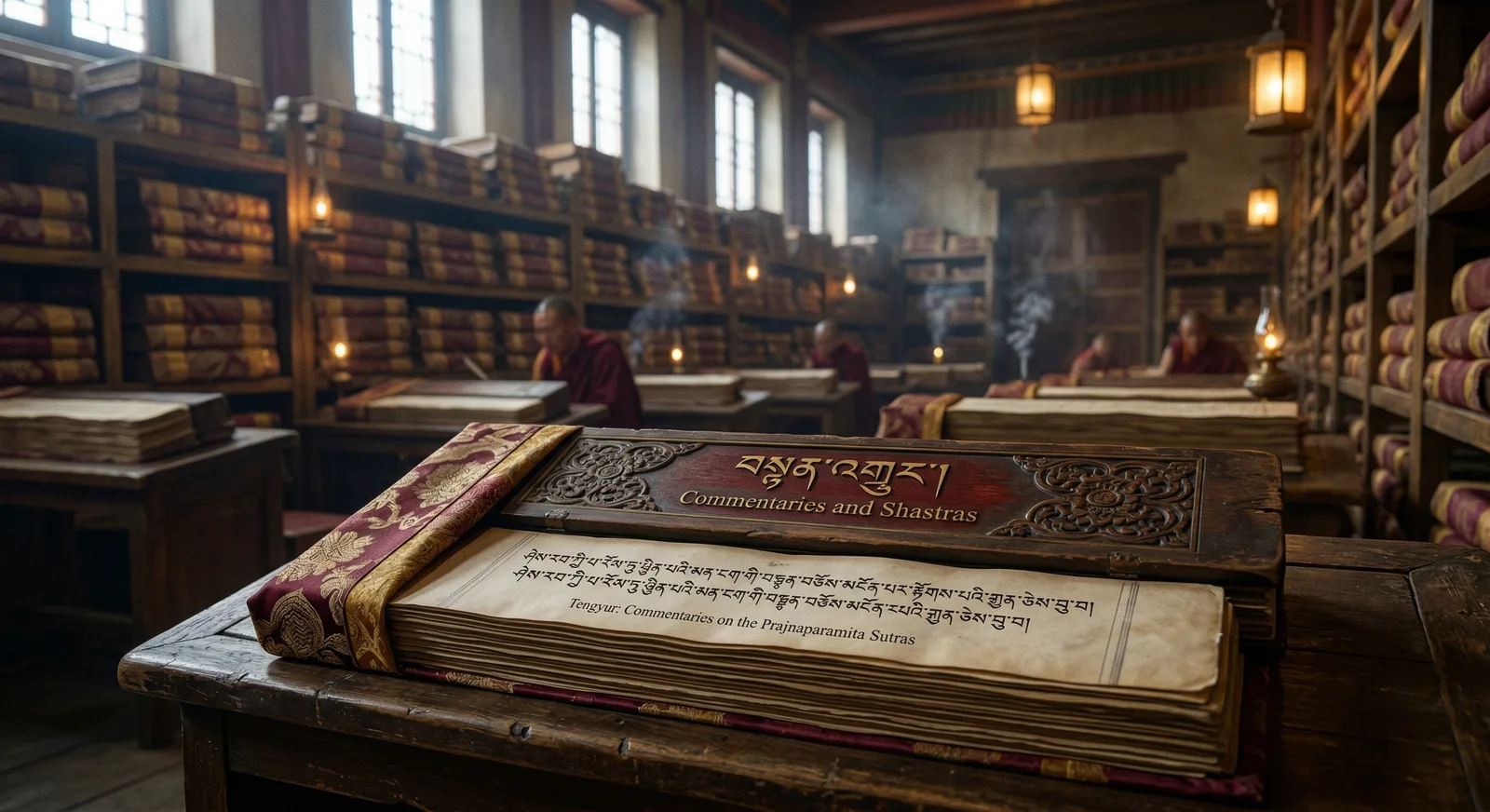
The Kangyur contains the words of the Buddha, while the Tengyur contains commentaries and scholarly interpretations written by Indian and Tibetan masters.
Is the Kangyur used in meditation?
Yes, practitioners study and chant passages from the Kangyur as part of spiritual practice and contemplation.
Which Buddhist traditions use the Kangyur?
All major Tibetan Buddhist traditions—including Nyingma, Kagyu, Sakya, and Gelug—use the Kangyur as a foundational scripture.
Was the Kangyur originally written in Tibetan?
No, the texts were translated into Tibetan primarily from Sanskrit and other Indian languages.
Can beginners read the Kangyur?
While some sections are complex, beginners can study selected sutras and guided explanations to understand the teachings.
Does the Kangyur include tantric texts?
Yes, many Vajrayana tantric teachings are preserved within the Kangyur.
Why is the Kangyur important?
It preserves the authentic teachings of the Buddha as transmitted through centuries of scholarship and spiritual practice.
Related Spiritual Figures

Related Sacred Texts
More from Dharmic

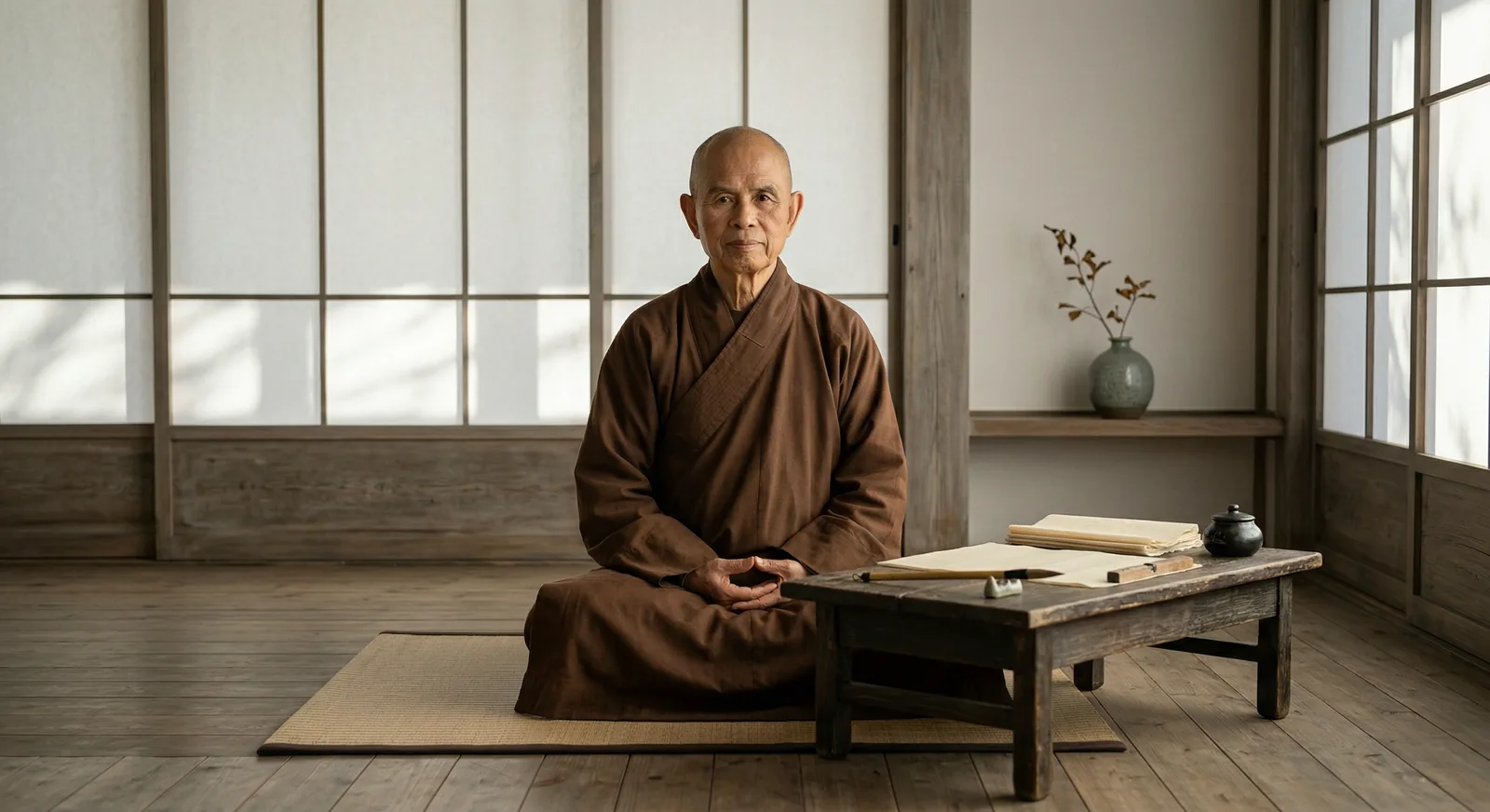
Begin Your Journey with Kangyur
Explore the wisdom and teachings through AI-powered conversations.
Start Your Transformation