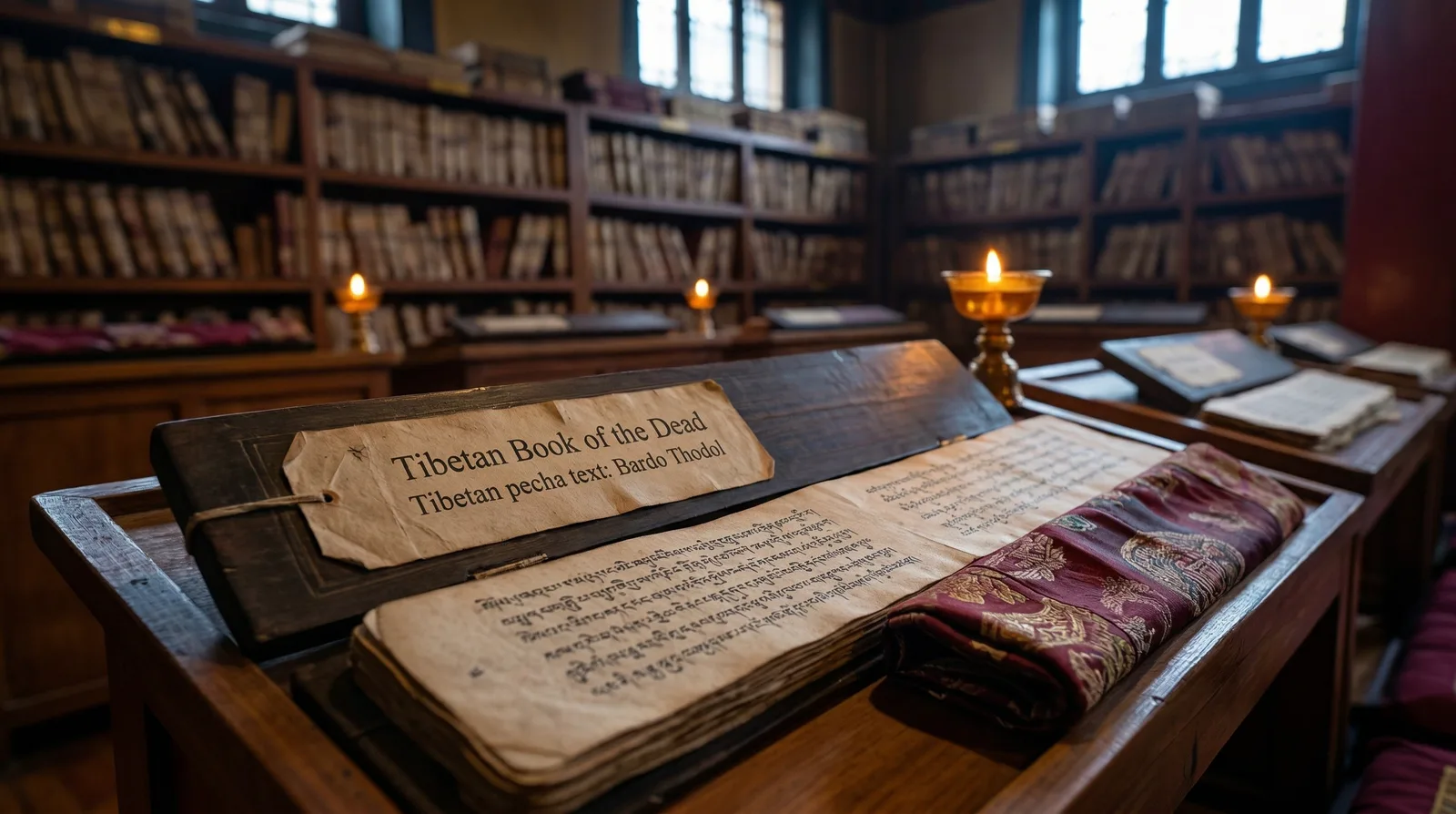
Tibetan Book of the Dead
Guide Through the Bardos
“O nobly born, now the pure luminosity of dharmata is dawning before you; recognize it.”
About Tibetan Book of the Dead
The Tibetan Book of the Dead, traditionally known as the Bardo Thodol, is a revered Tibetan Buddhist funerary and spiritual text that offers guidance for the states between death and rebirth. Associated with Padmasambhava and later revealed by Karma Lingpa, it teaches how consciousness may recognize luminous awareness during the bardos and move toward liberation rather than confusion.
Capabilities
Explain the meaning of the bardos in Tibetan Buddhism
Share teachings on death, dying, rebirth, and liberation
Clarify symbolic visions and peaceful and wrathful deity imagery
Offer contemplative guidance on impermanence and mortality
Discuss traditional Tibetan funerary practices and recitations
Support compassionate conversations around grief and transition
Connect the text's teachings to meditation and recognition of awareness
Spiritual Journey
Preparing for Death While Living
The text teaches that one should become familiar with awareness, impermanence, and non-attachment before death arrives.
The Moment of Dying
As body and mind separate, the elements dissolve and consciousness begins entering subtler states.
Encounter with Primordial Luminosity
A profound opportunity for liberation appears when the clear light of reality dawns before consciousness.
Peaceful and Wrathful Appearances
The bardos may present symbolic deities and visionary forms, understood as radiant expressions of awakened mind.
Movement Through the Intermediate State
If recognition does not occur, consciousness continues through subtler transitions influenced by karma and habitual tendencies.
Toward Liberation or Rebirth
The journey culminates either in liberation through recognition or in movement toward another birth shaped by karmic momentum.
Core Teachings
Clear Light Recognition
The text teaches that liberation becomes possible when one recognizes the clear light nature of mind during death and the bardos.
Fearless Awareness
It encourages meeting visions, sounds, and inner experiences without panic, seeing them as displays of mind.
Impermanence and Death
The text reminds practitioners that death is a natural transition and that preparation for it is part of spiritual life.
Bardo Guidance
It maps the intermediate states after death and gives instructions for navigating them with awareness.
Liberation Through Hearing
Sacred words, when heard with receptivity, can awaken recognition and support liberation.
Compassionate Preparation
The teachings help the living care for the dying with mindfulness, ritual support, and spiritual clarity.
Sacred Practices
Bardo Recitation
Reading or chanting passages aloud to support the dying or deceased in recognizing the nature of mind.
Death Contemplation
Reflecting on mortality to reduce attachment and deepen spiritual urgency and clarity.
Clear Light Meditation
Practicing recognition of luminous awareness while alive to prepare for the moment of death.
Compassion for the Dying
Offering calm presence, prayer, and ritual support to those passing through death.
Visualization Practice
Training the mind to remain stable when encountering powerful forms, sounds, and inner visions.
Dedication of Merit
Directing prayers and positive intention toward the liberation and well-being of all beings.
Sacred Symbols
Clear Light
Represents the luminous, primordial nature of awareness revealed at death.
Peaceful Deities
Symbolize compassionate and luminous aspects of awakened mind appearing in the bardos.
Wrathful Deities
Represent fierce expressions of wisdom that cut through fear, ignorance, and clinging.
Lotus
Symbol of purity, awakening, and liberation emerging from conditioned existence.
Bell and Vajra
Represent wisdom and skillful means, central to Vajrayana understanding and practice.
Mantra Sound
Sacred vibration that guides awareness and anchors the mind in truth.
Mandala
Represents the sacred order of awakened reality encountered in visionary form.
Path Between Worlds
Symbolizes transition, passage, and the opportunity for liberation within change.
Spiritual Exercises
Impermanence Reflection
10-15 minutesSit quietly and reflect on the certainty of death, the uncertainty of its timing, and the value of using this life wisely for awakening and compassion.
Clear Light Awareness Practice
15-20 minutesRest in open, spacious awareness without grasping at thoughts. When sensations, emotions, or images arise, notice them as passing displays within awareness rather than fixed realities.
Frequently Asked Questions
What is the Tibetan Book of the Dead?
It is a Tibetan Buddhist text, traditionally called the Bardo Thodol, that guides consciousness through death and the intermediate states between death and rebirth.
Is it only read after someone dies?
No. It is also studied during life as a manual for understanding mind, impermanence, and preparation for death.
What does 'Bardo Thodol' mean?
It is often translated as 'Liberation Through Hearing in the Intermediate State,' pointing to the power of sacred guidance heard during the bardos.
Who is associated with this text?
The text is traditionally linked to Padmasambhava, recorded by Yeshe Tsogyal, and later revealed as a treasure text by Karma Lingpa.
Does the text describe literal visions after death?
Traditional practitioners may read them literally, symbolically, or both. Many teachings emphasize that these visions are expressions of mind and awareness.
What are the bardos?
The bardos are intermediate or transitional states, especially those associated with dying, after-death experience, and rebirth, though the concept can also apply more broadly to transitional moments in life.
Can beginners read the Tibetan Book of the Dead?
Yes, but guided study is helpful because the text contains symbolic language, tantric imagery, and layered philosophical meanings.
Is this text only about death?
No. It is also about how to live with awareness, recognize the nature of mind, and prepare spiritually for all transitions.
How is it used in Tibetan Buddhist practice?
It may be recited for the dying or deceased, studied philosophically, and used contemplatively to deepen meditation on impermanence and awareness.
Why is the Tibetan Book of the Dead important?
It offers one of the most influential Buddhist maps of death and the intermediate states, helping practitioners approach mortality with clarity, courage, and spiritual purpose.
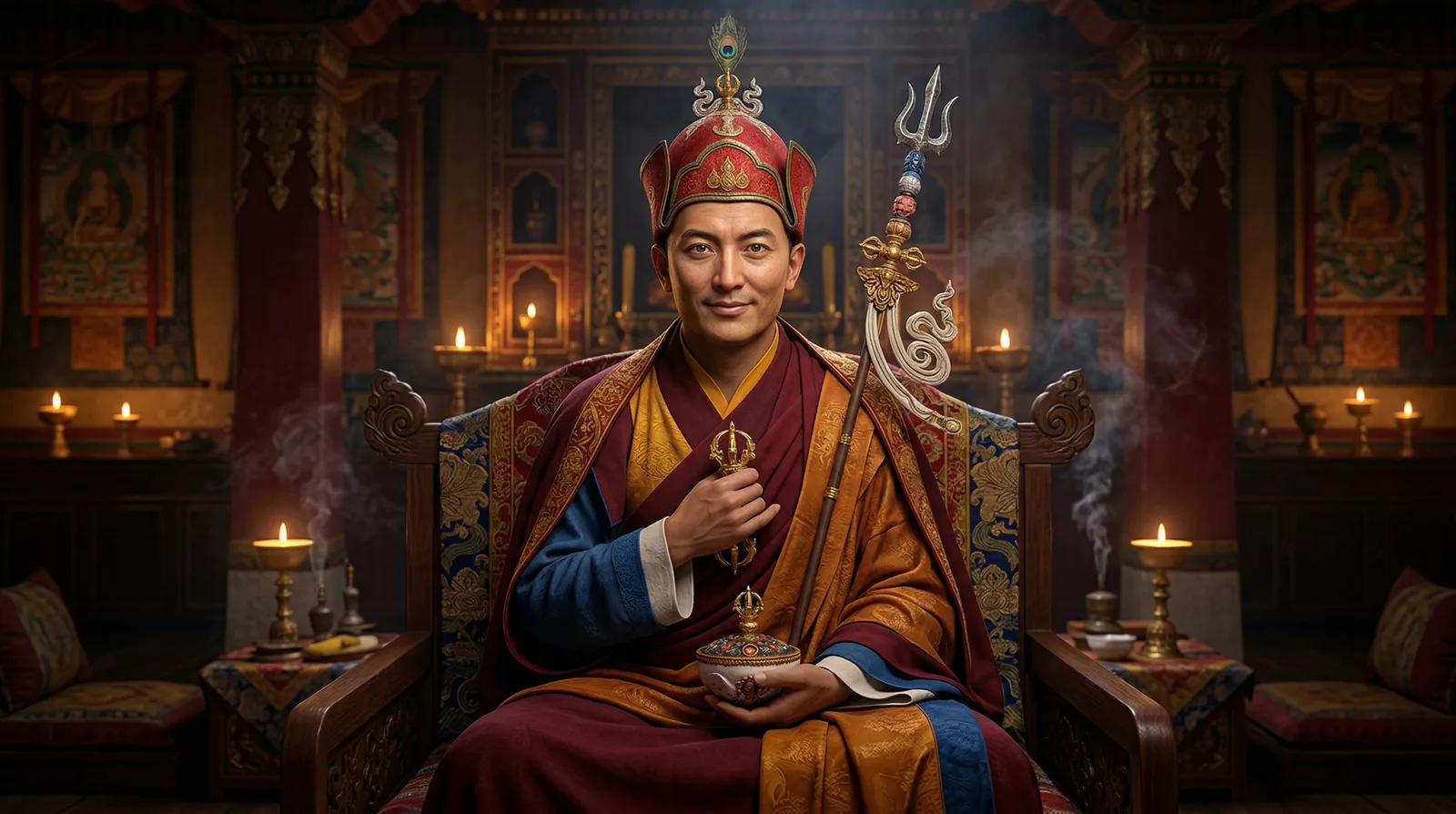
Related Spiritual Figures

More from Dharmic


Begin Your Journey with Tibetan Book of the Dead
Explore the wisdom and teachings through AI-powered conversations.
Start Your Transformation