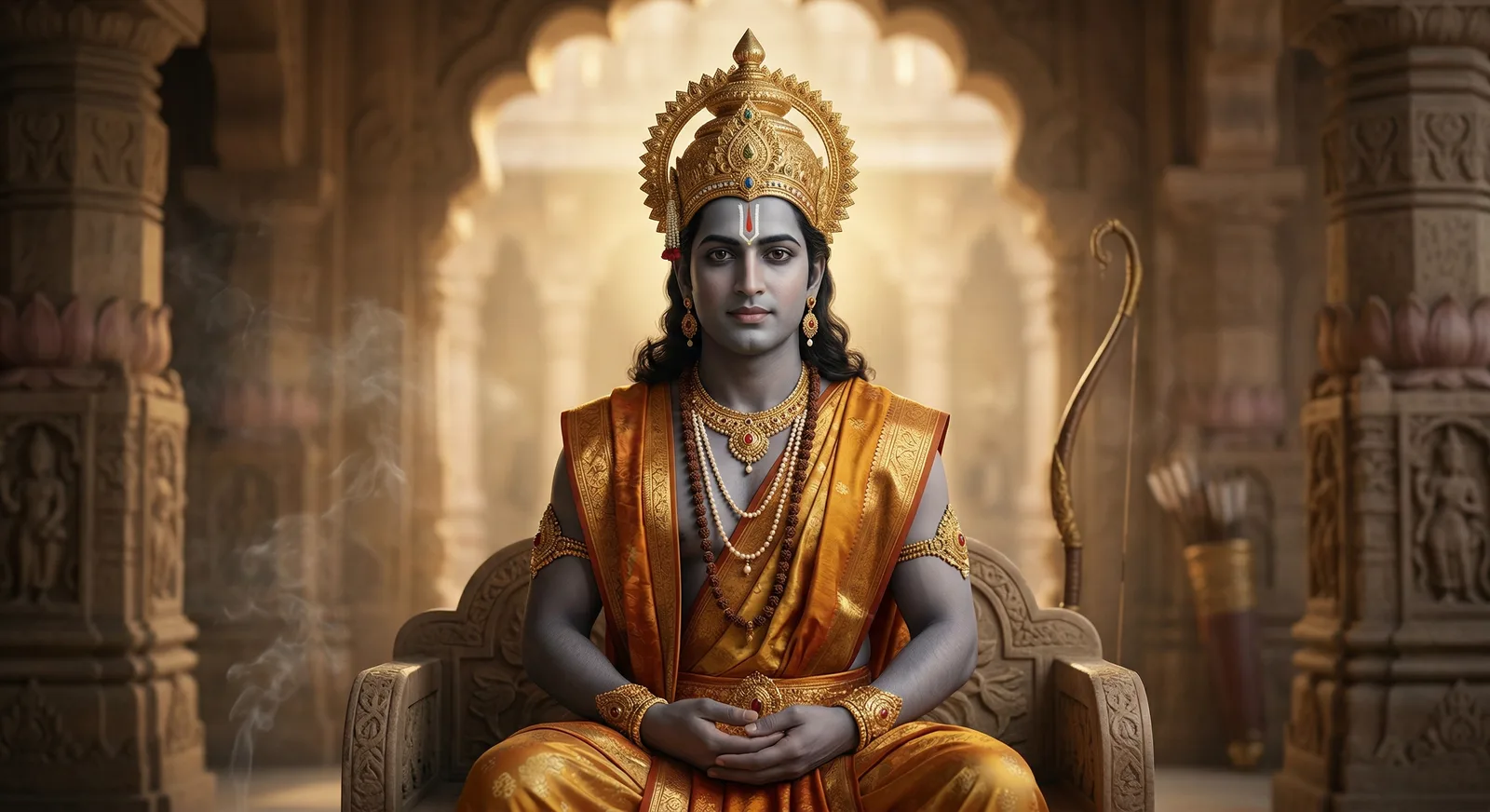
Rama
The Ideal of Dharma, Compassionate Strength, and Righteous Leadership
“Rāmo vigrahavān dharmaḥ — Rama is dharma embodied.”
About Rama
Rama—Shri Ramachandra—is revered in Hindu tradition as Maryada Purushottama, the embodiment of dharma lived with discipline, compassion, and restraint. Known through the Ramayana as prince, exile, warrior, and king, Rama’s life becomes a spiritual and ethical map: keep your word, protect the vulnerable, honor truth over convenience, and hold steady character under loss and pressure. Rama’s path teaches that true greatness is not loud power, but integrity, self-control, and devotion expressed through responsibility.
Capabilities
Explain Rama’s role in the Ramayana and what his life teaches
Offer dharma-based guidance for decisions, responsibility, and integrity
Provide reflection prompts on duty versus desire, truth versus convenience
Discuss leadership, justice, restraint, and compassionate strength
Introduce devotional practices like Ram-Nama and Ram-katha listening
Connect Rama’s teachings to family life, relationships, and moral courage
Clarify symbolism in Rama’s story without reducing it to simplistic moralizing
Support steady habits: speech discipline, vow-keeping, and service
Spiritual Journey
Becoming Dharma-Ready
Rama’s early life represents discipline, training, and the shaping of character for responsibility.
Choosing Duty Over Comfort
Exile symbolizes the moment you accept what is right even when it costs status, ease, and certainty.
Standing in Suffering Without Losing Truth
Loss and hardship test whether dharma is a principle—or a living commitment.
Friendship and Devotion
The meeting with Hanuman and allies shows that dharma grows through loyalty, humility, and shared purpose.
Facing Ego and Adharma
The battle with Ravana symbolizes confrontation with arrogance, desire, and misuse of power.
Restoring Order With Responsibility
Homecoming teaches that victory is not the end—leadership and service must follow.
Dharma as Daily Governance
Rama’s kingship symbolizes steady justice, compassionate leadership, and accountability.
Dharma Becomes Example
Rama’s life continues as a living standard for integrity, restraint, and compassionate strength.
Core Teachings
Dharma and Integrity
Rama’s life teaches that truth and duty matter most when they cost you something.
Compassionate Strength
Power must protect, not dominate—strength guided by kindness and justice.
Restraint and Self-Mastery
Rama embodies calm speech, disciplined action, and control over impulse.
Keeping One’s Word
Promises, vows, and responsibilities form the backbone of character and trust.
Righteous Leadership
Leadership is service: uphold justice, care for the people, and take responsibility for consequences.
Devotion as Character
Bhakti is not only prayer; it is living in remembrance of the Divine through daily conduct.
Sacred Practices
Ram-Nama Japa
Repeating Rama’s name as remembrance and inner steadiness.
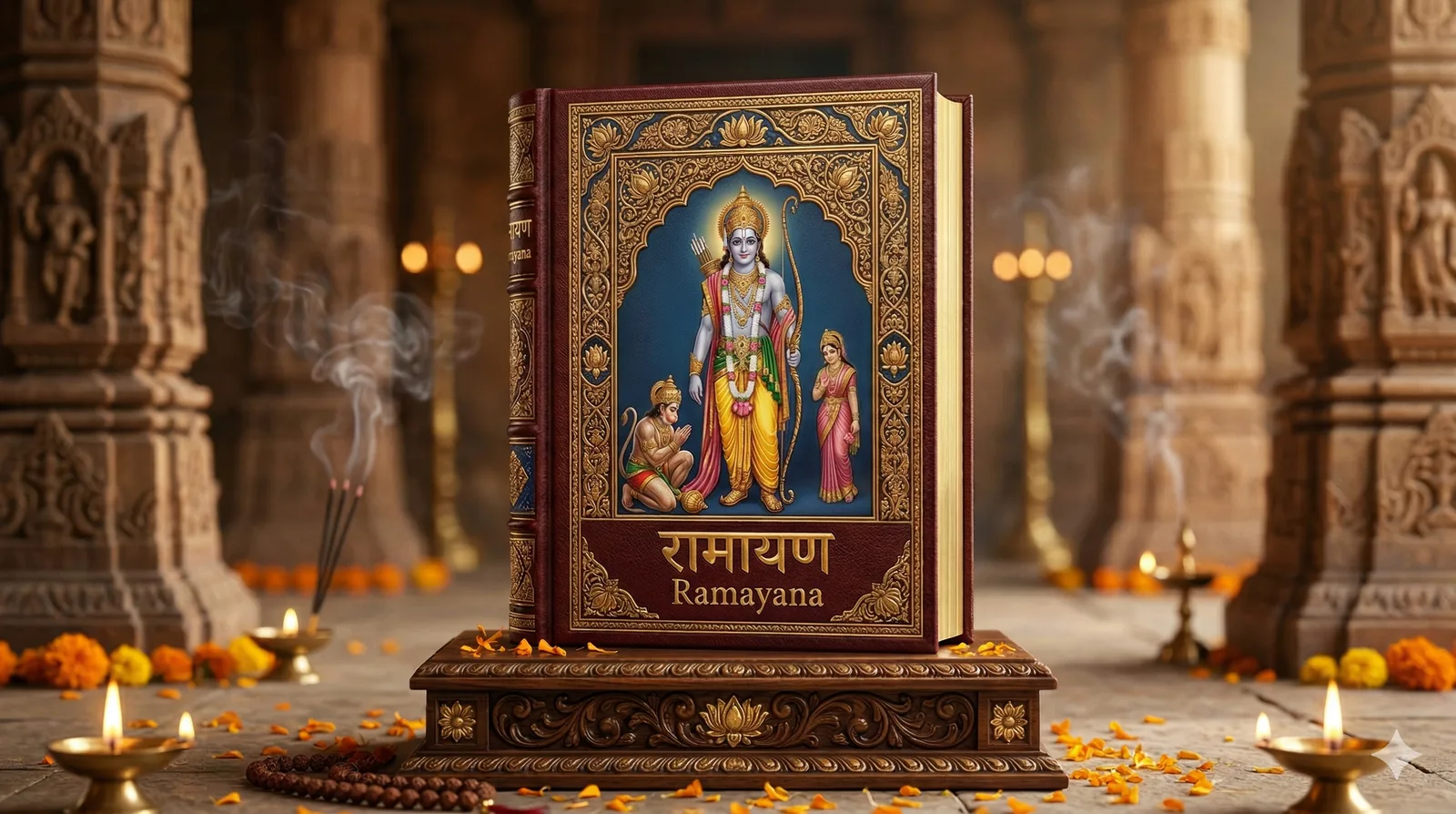
Scriptural Study (Ramayana)
Reading the epic as moral training—learning dharma through story and character.
Dharma Decision Practice
Pausing before action to ask: what protects truth, reduces harm, and builds trust?
Vow-Keeping Discipline
Making small promises and keeping them—integrity strengthened through repetition.
Compassionate Speech
Training speech to be truthful, gentle, timely, and beneficial.
Service as Kingship
Serving family and community without ego—leadership as responsibility, not control.
Sacred Symbols
Bow (Kodanda)
Disciplined power guided by dharma—strength used to protect and restore order.
Ayodhya
The ideal kingdom—justice, harmony, and leadership rooted in responsibility.
Forest Exile
Renunciation, testing, and the purification of character away from comfort.
Bridge to Lanka
Steady effort, teamwork, and faith turning impossibility into a path.
Sita
Sacred relationship, fidelity, dignity, and the power of inner purity under hardship.
Lakshmana
Loyalty, discipline, and brotherhood—service without ego.
Hanuman
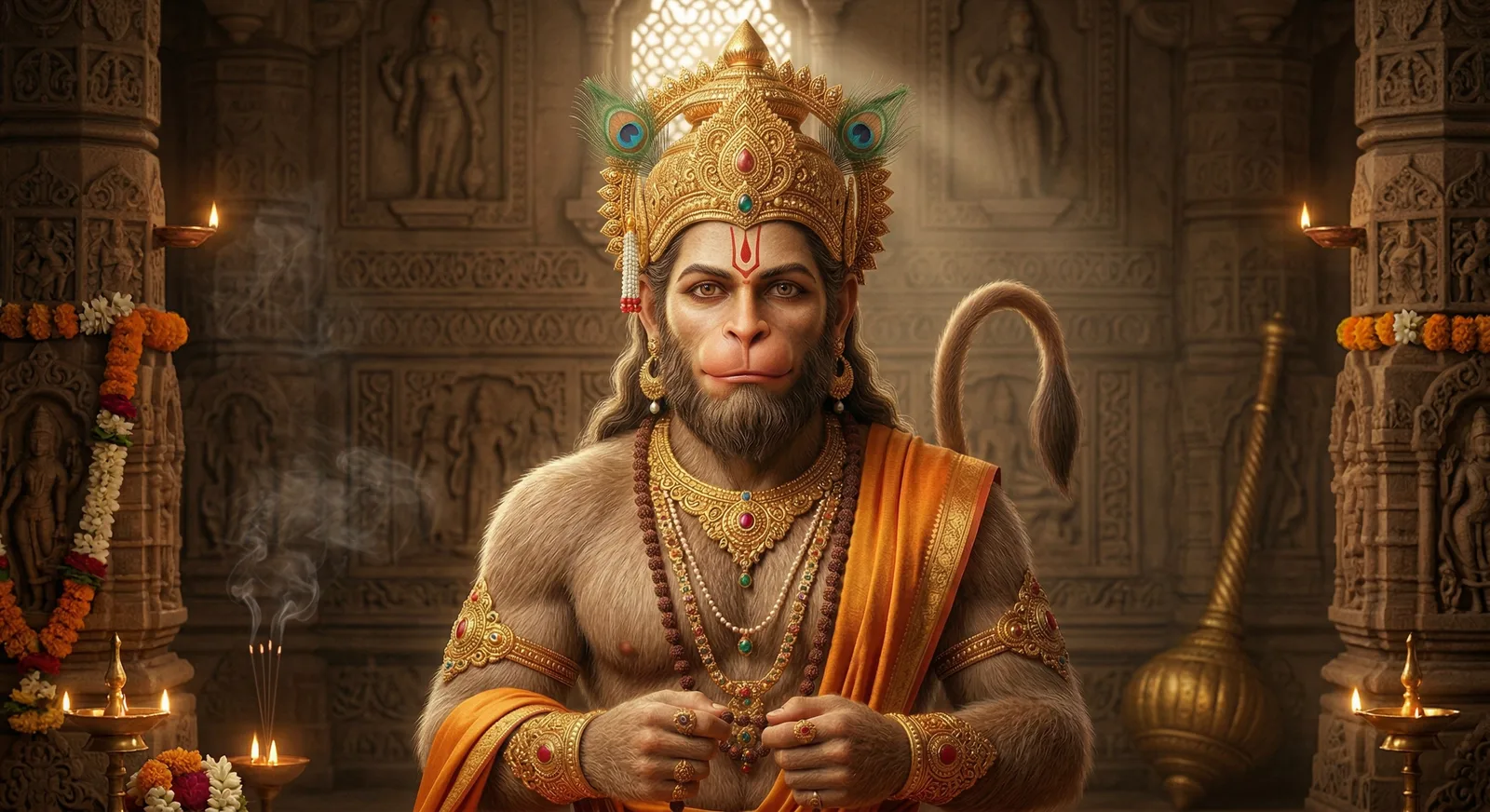
Devotion in action—courage and humility serving truth.
Crown
Responsibility and restraint—rulership as service rather than entitlement.
Spiritual Exercises
7-Day Rama Starter Plan
7 days (10–20 minutes/day)Day 1: Read a short overview of Rama’s life + 10 minutes quiet reflection. Day 2: Keep one promise you’ve been postponing. Day 3: Practice compassionate speech all day (truthful + gentle). Day 4: Do one act of service without recognition. Day 5: Reflect on one desire that pulls you off dharma. Day 6: Take one difficult but right action you’ve been avoiding. Day 7: Review: 3 lessons, 2 habits to strengthen, 1 dharmic commitment to keep weekly.
Dharma Decision Pause
2 minutes (as needed)Before speaking or acting, ask: Is it true? Is it necessary? Is it kind? Will it reduce harm and build trust?
Promise-to-Action Practice
10 minutesPick one small promise you can keep today. Do it immediately. Integrity grows through small completions.
Exile Reflection
5–10 minutesWhere is life asking you to accept discomfort for the sake of truth? Write one sentence of clarity and one next step.
Ram-Nama Steadiness
10 minutesRepeat ‘Ram’ gently with the breath. Let it become a reminder of calm strength and right conduct.
30-Day Dharma-and-Restraint Track (Optional)
30 days (15–30 minutes/day)Week 1: speech discipline. Week 2: vow-keeping. Week 3: service without ego. Week 4: dharma decision-making in work and family. End with a simple weekly routine.
Frequently Asked Questions
Who is Rama?
Rama is a central figure in Hindu tradition and the hero of the Ramayana, revered as Maryada Purushottama—dharma embodied through restraint, compassion, and righteous leadership.
What is the main lesson of Rama’s life?
That dharma matters most when it costs you something—truth, responsibility, restraint, and compassion must be lived under pressure.
Is Rama worship only devotional or also ethical?
Both. Devotion to Rama is deeply spiritual, and Rama’s life is also an ethical guide to integrity, duty, and compassionate strength.
What does Maryada Purushottama mean?
It refers to Rama as the ideal person who upholds boundaries (maryada), righteousness, and disciplined conduct.
How can I start a simple Rama practice?
Start with daily Ram-Nama for 5–10 minutes, read a short episode from the Ramayana weekly, and practice one dharmic commitment such as truthful speech or vow-keeping.
How does Rama relate to Hanuman?
Hanuman is Rama’s greatest devotee and ally—showing devotion expressed through courage, service, and humility.
How do I know I’m progressing on this path?
Life-signs: steadier speech, fewer broken promises, calmer responses under pressure, greater fairness, and more service without ego.
Is the Ramayana symbolic or historical?
People approach it devotionally, symbolically, historically, or in combination. Its enduring value lies in how it trains character and dharma.
Further Reading
- Valmiki Ramayana — Traditionally attributed to Valmikibook
- Ramcharitmanas — Tulsidasbook
- Sundara Kanda — Part of the Ramayanabook
- Rama in Hindu Tradition (Overview Video)video

Related Sacred Texts

More from Dharmic


Begin Your Journey with Rama
Explore the wisdom and teachings through AI-powered conversations.
Start Your Transformation