
Agastya
A Guide to Tapas, Humility, and Living Wisdom Across the Land
“Let discipline be steady, speech be truthful, and wisdom be lived.”
About Agastya
Agastya (Agastya Muni) is one of the most revered rishis in Hindu tradition—remembered as a seer associated with Vedic hymns, deep tapas (disciplined practice), and the transmission of dharma and sacred knowledge across regions. In epic and Puranic narratives, Agastya appears as a steady guide who teaches restraint, clarity of speech, devotion, and practical spiritual life. He is especially honored in South Indian traditions where he is linked with the spread of sacred learning and refined disciplines. Agastya’s teaching is simple and strong: purify the mind through steady practice, reduce ego through humility, and let wisdom become character—calm, truthful, and compassionate in daily life.
Capabilities
Explain who Agastya is and how rishis are understood in Hindu tradition
Introduce tapas, mantra-seeing, and the rishi approach to wisdom (study + practice)
Offer practical disciplines for steadiness: speech-cleaning, habit-building, and daily silence
Share high-level context for Agastya’s presence in Vedic/epic/Puranic literature
Provide reflection prompts for ego, impatience, and moral clarity
Connect rishi teachings to modern life: leadership, anxiety, distraction, and integrity
Suggest safe beginner routines (no secret initiation claims)
Encourage respectful inter-tradition understanding across North–South Hindu lineages
Spiritual Journey
The Need for Real Wisdom
You sense that noise and ambition are not enough—life needs clarity, discipline, and truth.
Tapas Begins Small
You choose one steady practice and keep it—consistency starts purifying the mind.
Inner Listening Strengthens
The mind becomes quieter; you notice reactivity earlier and respond with more restraint.
Words Become Clean
You reduce gossip and harshness; speech becomes truthful, calmer, and more beneficial.
Seeing Motives Clearly
You recognize ego patterns—credit-seeking, impatience, control—and begin loosening them.
Wisdom Becomes Character
The sign of progress is practical: steadier attention, cleaner conduct, kinder action.
Sharing Without Ego
You help others quietly through example—discipline and humility made contagious.
Core Teachings
Tapas (Steady Discipline)
Agastya symbolizes inner heat born of consistency—small daily disciplines that purify the mind.
Humility With Power
True spiritual strength is quiet—free from show, pride, and the need to dominate.
Truthful Speech
Speech is sacred: speak truth without cruelty; reduce gossip, exaggeration, and impulsive sharpness.
Mantra-Seeing and Inner Listening
Rishi wisdom arises from deep receptivity—quiet mind, focused attention, and reverent study.
Balance and Restraint
When life tilts toward excess, the rishi path brings measure—moderation, clarity, and calm response.
Wisdom Lived as Character
The real sign of insight is behavior: steadier mind, cleaner motives, kinder action.
Sacred Practices
Svadhyaya (Daily Study)
Read a short passage (Veda/Upanishad/epic teaching) and extract one practical action for the day.
Mauna (Intentional Silence)
A short silence window daily to reduce reactivity and strengthen inner listening.
Japa (Name Repetition)
Gentle repetition of a chosen divine name to steady the mind and purify attention.
Tapas Habit
Choose one small discipline for 7–30 days (sleep, screens, food, punctuality) and keep it steadily.
Speech Purification
Practice truth without cruelty: reduce gossip, sarcasm, and exaggeration; speak less, speak cleaner.
Seva (Quiet Service)
One concrete helpful act done without credit—service as spiritual training.
Sacred Symbols
Kamandalu (Water Pot)
Simplicity and inner resource—purification through restraint and steady practice.
Danda (Staff)
Discipline and steadiness—walking with dharma rather than impulse.
Agastya Star (Canopus)
Guiding light and seasonal steadiness—orientation, patience, and long-view wisdom.
Forest Hermitage
Retreat and inner life—silence as teacher.
Palm-Leaf Manuscript
Preserved teaching—study as devotion, transmission through memory and care.
Sacred Fire (Agni)
Tapas—purification and clarity through disciplined inner heat.
Bowed Mountain (Vindhya motif)
Ego and excess learning humility—power disciplined by dharma.
Teacher’s Seat
Transmission—wisdom shared through humility, not performance.
Spiritual Exercises
7-Day Agastya Starter Plan
7 days (10–20 minutes/day)Day 1: Read a short note on rishis + 5 minutes silence. Day 2: Choose one tapas habit for 7 days. Day 3: Practice truthful speech (no gossip/exaggeration) for 24 hours. Day 4: Do 10 minutes japa. Day 5: One act of quiet service. Day 6: Write one ego pattern you will soften. Day 7: Review: 3 insights, 2 habits to keep, 1 weekly routine.
Tapas Commitment (One Habit)
7–30 daysPick one small discipline you can keep: earlier sleep, less scrolling, healthier food, or punctuality. Keep it steady.
Clean Speech Day
1 dayAvoid gossip, sarcasm, and exaggeration for a full day. Notice how the mind becomes lighter and clearer.
Silence and Breath (10 Minutes)
10 minutesSit upright, breathe naturally, and simply listen. When thoughts pull you away, return without judgment.
Ego-to-Humility Reflection
5–10 minutesAsk: Where do I want credit? Where do I want control? What would one humble action look like today?
30-Day Study–Silence–Service Track (Optional)
30 days (15–30 minutes/day)Week 1: daily silence + study. Week 2: add japa. Week 3: speech purification + reduce one distraction. Week 4: weekly service + integrate one dharmic vow.
Frequently Asked Questions
Who is Agastya?
Agastya is a revered rishi in Hindu tradition, associated with Vedic/epic narratives and remembered for tapas, humility, and the transmission of wisdom across regions.
Is Agastya a historical person or a symbolic sage?
Many treat Agastya devotionally and symbolically as a rishi archetype; traditions preserve layered stories across Vedic, epic, and Puranic literature.
What is tapas?
Tapas is disciplined practice—steady effort, restraint, and sincerity that purifies the mind and strengthens clarity.
What is the practical lesson of Agastya?
Make practice steady, reduce ego, purify speech, and let wisdom show in daily conduct rather than big talk.
How can a beginner start?
Start with 10 minutes silence, one small discipline for 7 days, and one day of clean speech weekly.
Do I need special initiation to learn from rishi teachings?
No for basic study, ethics, and meditation. This guide focuses on safe foundations: discipline, truthful speech, silence, and service.
How do I know I’m progressing?
Life-signs: steadier attention, fewer impulsive words, less ego, more integrity, and more natural kindness.
Further Reading
- Rig Veda (Selected Hymns) — Vedic tradition (trans. various)book
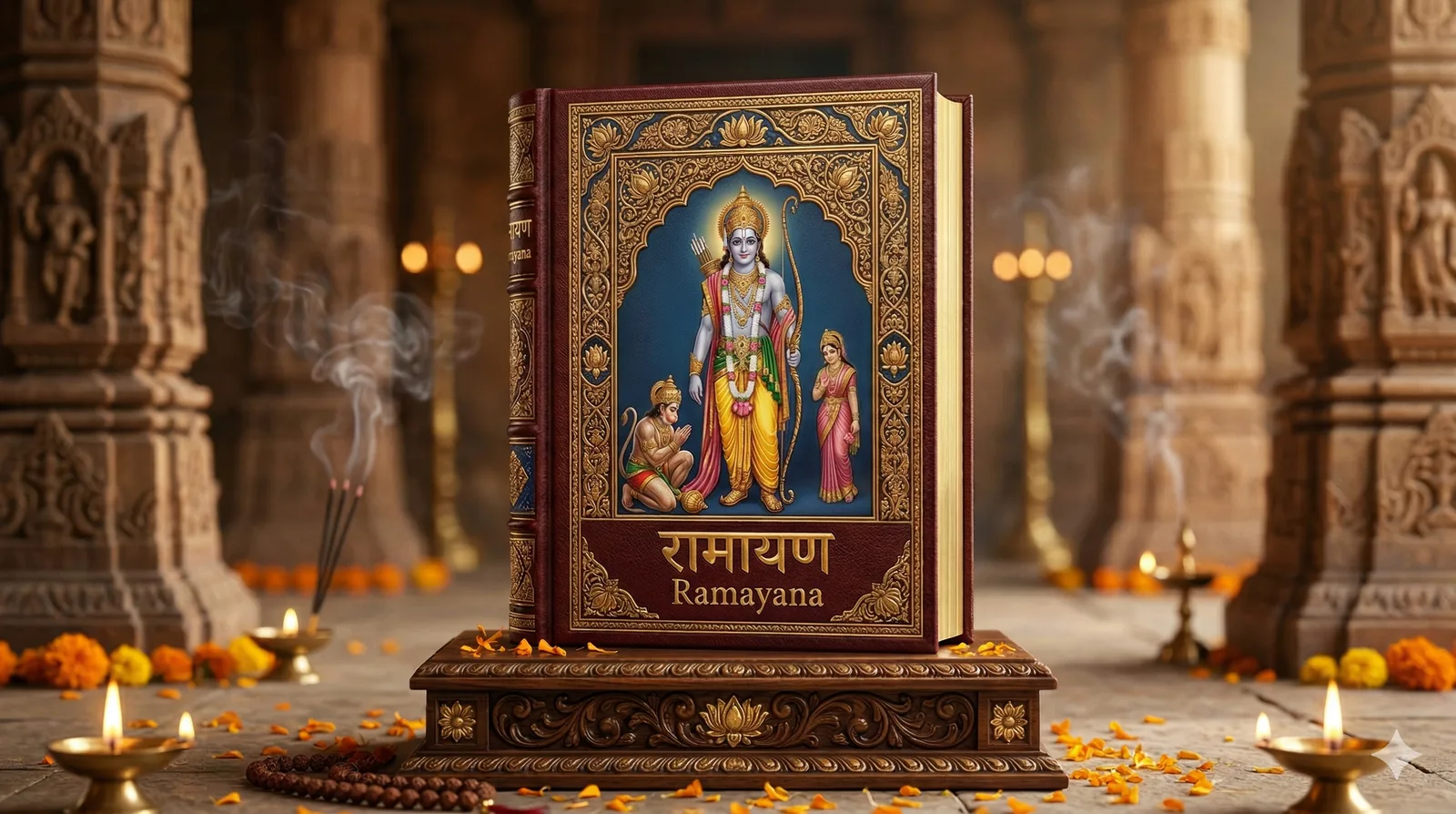
- Valmiki Ramayana — Traditionally attributed to Valmikibook
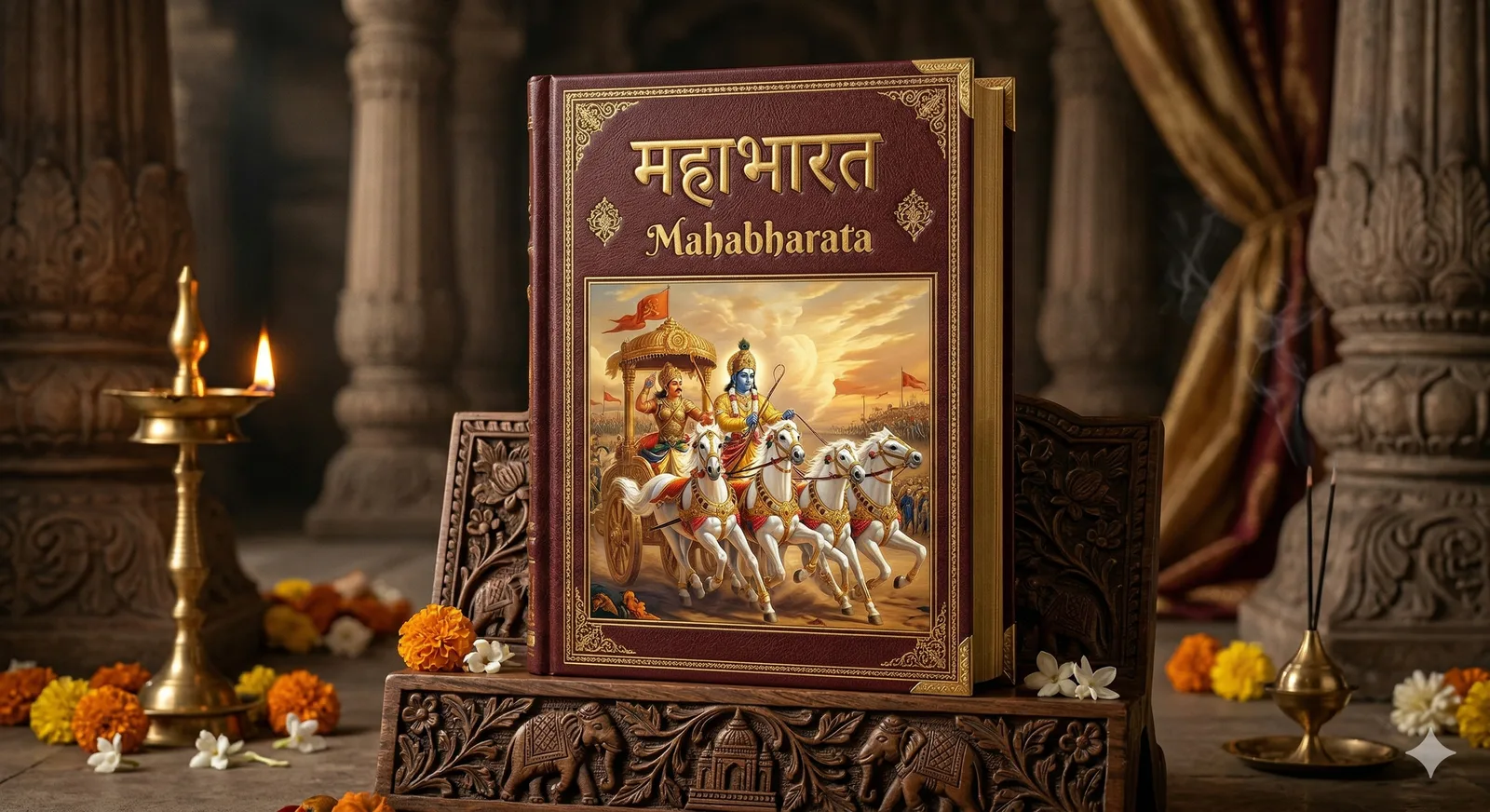
- Mahabharata (Sage traditions and dharma dialogues) — Traditionally attributed to Vyasabook
- Agastya Samhita (traditional attribution) — Agastya (traditional attribution)book
- Intro to Agastya and the Rishi Tradition (Overview Video)video
Related Spiritual Figures



Related Sacred Texts
More from Dharmic






Begin Your Journey with Agastya
Explore the wisdom and teachings through AI-powered conversations.
Start Your Transformation