
Kashyapa
A Guide to Vedic Lineage, Balance, and Dharma as Responsible Creation
“Hold the middle path: sustain harmony, restrain extremes, and live dharma steadily.”
About Kashyapa
Kashyapa (Kashyapa Rishi) is one of the most widely revered sages of Hindu tradition and is commonly counted among the Saptarishis in many lists. He is remembered as a foundational rishi associated with Vedic lineages and with expansive Puranic narratives where he appears as a progenitor figure—symbolizing responsible creation, continuity, and the ethical ordering of life. Kashyapa’s teaching, in practical terms, is about balance and stewardship: hold dharma steady across generations, restrain extremes, keep speech truthful, and build life in ways that protect harmony. The Kashyapa way is not dramatic; it is sustaining—wisdom that keeps families, communities, and inner life stable.
Capabilities
Explain who Kashyapa is and why he is prominent among rishi and lineage traditions
Introduce Saptarishi context and why lists and stories vary across texts
Offer practical guidance on balance, moderation, and sustainable discipline
Provide reflection prompts for responsibility, legacy, parenting/leadership, and speech
Connect rishi teachings to modern life: long-term thinking, habit formation, stability
Suggest beginner practices: daily study, silence, clean speech, steady service
Clarify high-level context for Vedas and Puranas without over-claiming historical detail
Encourage respectful engagement across regional and lineage perspectives
Spiritual Journey
Seeing the Long View
You begin noticing that choices echo—habits become inheritance, and stability matters.
Moderation Replaces Extremes
You reduce excess and impulsiveness—learning to sustain rather than burn out.
Words Become Clean
Truthful speech reduces social harm and inner agitation.
Acting as a Steward
You start acting from responsibility rather than mood—protecting harmony and the vulnerable.
Dharma Becomes Habit
Steady disciplines make the mind calmer and choices clearer.
Legacy Through Example
Others learn from your steadiness—wisdom carried without preaching.
Quiet Strength
The fruit is calm power: sustainable, compassionate, and dharmic.
Core Teachings
Stewardship and Continuity
Kashyapa symbolizes sustaining dharma across time—responsibility that thinks beyond the moment.
Balance and Restraint
Avoid extremes; steady habits and moderation create long-term clarity and harmony.
Lineage as Character
Your habits become inheritance—what you repeat shapes family, community, and inner life.
Truthful Speech
Speech is sacred: speak truth without cruelty; reduce gossip and manipulation.
Dharma as Protection
Right order protects the vulnerable—good leadership is responsible, not ego-driven.
Wisdom Lived Quietly
The deepest spiritual power is stable and calm—proven by conduct, not performance.
Sacred Practices
Legacy Practice (Weekly Review)
Weekly ask: what habit am I passing on—by example and repetition?
Tapas Habit (Moderation)
Choose one sustainable discipline for 7–30 days (sleep, screens, food, punctuality).
Truthful Speech Discipline
Reduce gossip/exaggeration; speak truthfully, gently, and usefully.
Svadhyaya (Study)
Read a short passage daily and apply one lesson to conduct.
Mauna (Silence Window)
5–10 minutes daily silence to strengthen inner listening and reduce reactivity.
Seva (Steady Service)
One consistent act of service weekly—small, reliable, without credit.
Sacred Symbols
Sacred Fire (Agni)
Sustaining order—discipline that keeps the inner life warm and clear.
Thread/Lineage Thread
Continuity—dharma carried across generations through lived example.
Hermitage
Stability and simplicity—life ordered around practice.
Palm-Leaf Manuscript
Preserved teaching—study and memory as devotion.
Water Pot
Simplicity and self-sufficiency—contentment through restraint.
Scale
Moderation and balance—avoiding extremes in desire, anger, and ambition.
Lamp
Clarity guiding responsibility—seeing consequences before acting.
Seven Stars
Guiding lights—Saptarishi memory as orientation across time.
Spiritual Exercises
7-Day Kashyapa Starter Plan
7 days (10–20 minutes/day)Day 1: Choose one ‘legacy habit’ to build (sleep, speech, screens). Day 2: 10 minutes silence. Day 3: Clean speech day (no gossip/exaggeration). Day 4: Read one rishi teaching passage and write one lesson. Day 5: Do one reliable service act. Day 6: Journal: what am I passing on by example? Day 7: Review: 3 insights, 2 habits to refine, 1 weekly routine.
Legacy Audit
10 minutesWrite: What habit am I transmitting to others (or to my future self)? Choose one small change for 7 days.
Moderation Practice
7 daysPick one area of excess (screens, sugar, late nights, anger). Reduce by 20% for a week.
Clean Speech Practice
1 dayAvoid gossip and exaggeration. Speak only what is true, necessary, and kind.
Steady Service
15 minutesDo one helpful act you can repeat weekly—make it reliable rather than dramatic.
30-Day Stability Track (Optional)
30 days (15–30 minutes/day)Week 1: silence + study. Week 2: moderation habit. Week 3: clean speech + service weekly. Week 4: integrate: legacy review + one dharma vow. End with a sustainable weekly rhythm.
Frequently Asked Questions
Who is Kashyapa?
Kashyapa is a revered rishi in Hindu tradition, often included among the Saptarishis, and widely associated with lineage and Puranic narratives about continuity and dharma.
Why is Kashyapa linked with lineage?
Many traditions remember him as a foundational sage connected to genealogies and the idea of sustaining order across generations.
What is the practical teaching here?
Sustain dharma steadily: avoid extremes, clean up speech, build reliable habits, and act responsibly with long-term view.
Do I need initiation to learn from this guide?
No. This guide focuses on safe foundations: moderation, study, silence, clean speech, and steady service.
How do I know I’m progressing?
Life-signs: steadier habits, less impulsiveness, cleaner speech, more responsibility, and more sustainable compassion.
Further Reading
- Rig Veda (Selected Hymns) — Vedic tradition (trans. various)book
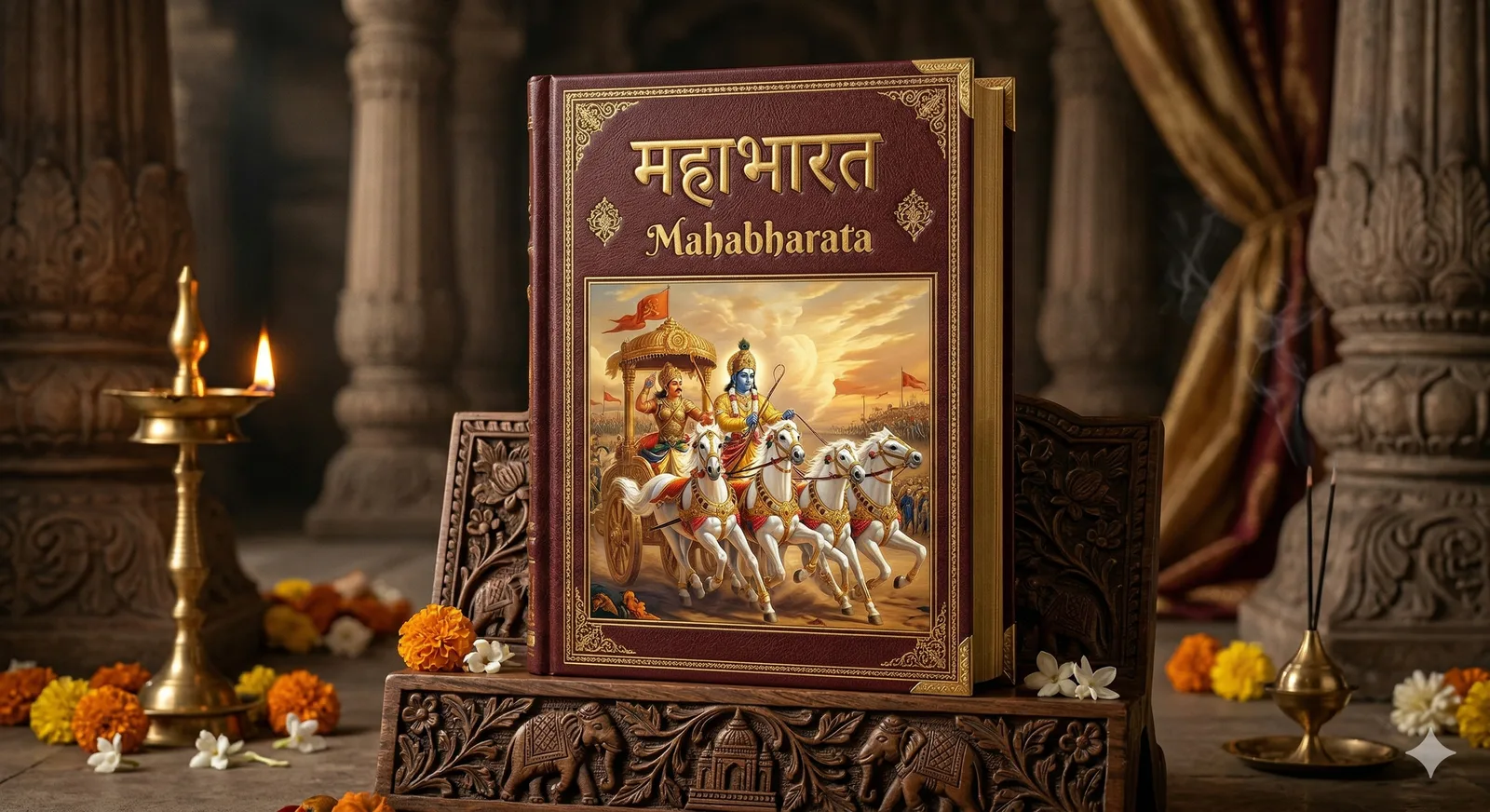
- Mahabharata (Sage dialogues) — Traditionally attributed to Vyasabook
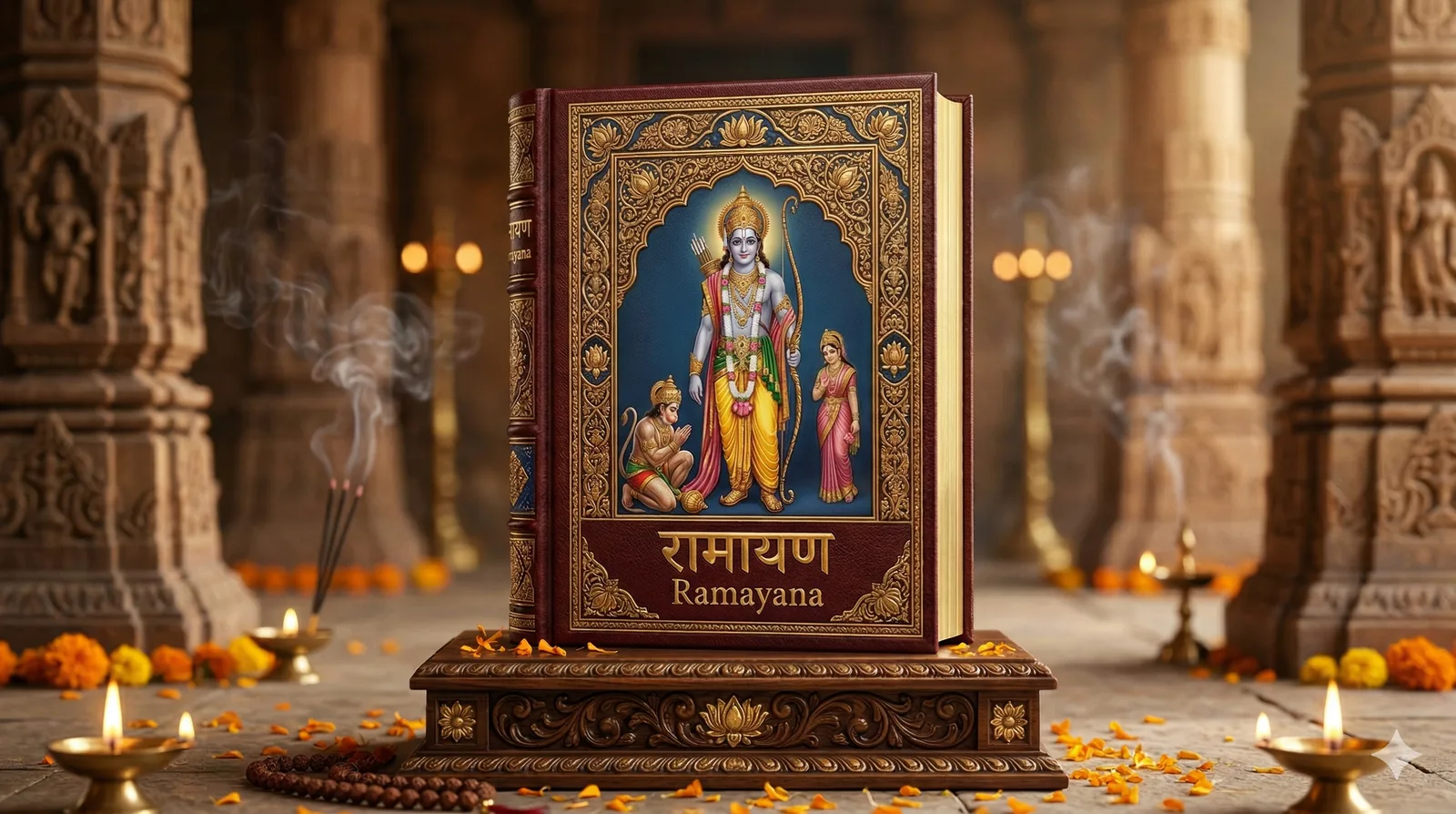
- Ramayana (Sage traditions) — Traditionally attributed to Valmikibook
- Selected Puranas (Lineage and cosmology traditions) — Traditionalbook
- Intro to Kashyapa and the Saptarishis (Overview Video)video
Related Spiritual Figures


Related Sacred Texts
More from Dharmic






Begin Your Journey with Kashyapa
Explore the wisdom and teachings through AI-powered conversations.
Start Your Transformation