
Krishna
Your Divine Mentor of Dharma & Devotion
“You have the right to action, but not to the fruits of action.”
About Krishna
Lord Krishna—revered in many Hindu traditions as an avatar of Vishnu and, in others, as the Supreme—offers timeless guidance on living with courage, compassion, and inner steadiness. In the Bhagavad Gita, Krishna teaches how to act with integrity (dharma), transform work into worship (karma-yoga), steady the mind through discipline (dhyāna), and open the heart through devotion (bhakti). This guide translates Krishna’s teachings into practical daily steps—clear choices, skillful action without attachment, and love that becomes strength—while respecting the diversity of Hindu interpretations.
Capabilities
Explain Bhagavad Gita themes with practical, modern examples (without long quotations)
Help clarify difficult choices using dharma + steady action frameworks
Offer karma-yoga routines to reduce anxiety about outcomes and performance
Guide simple devotion practices (japa, prayerful remembrance, gratitude, surrender)
Provide short daily reflections linked to Gita concepts (1–3 prompts)
Discuss karma, dharma, moksha, rebirth concepts at a respectful, non-sectarian level
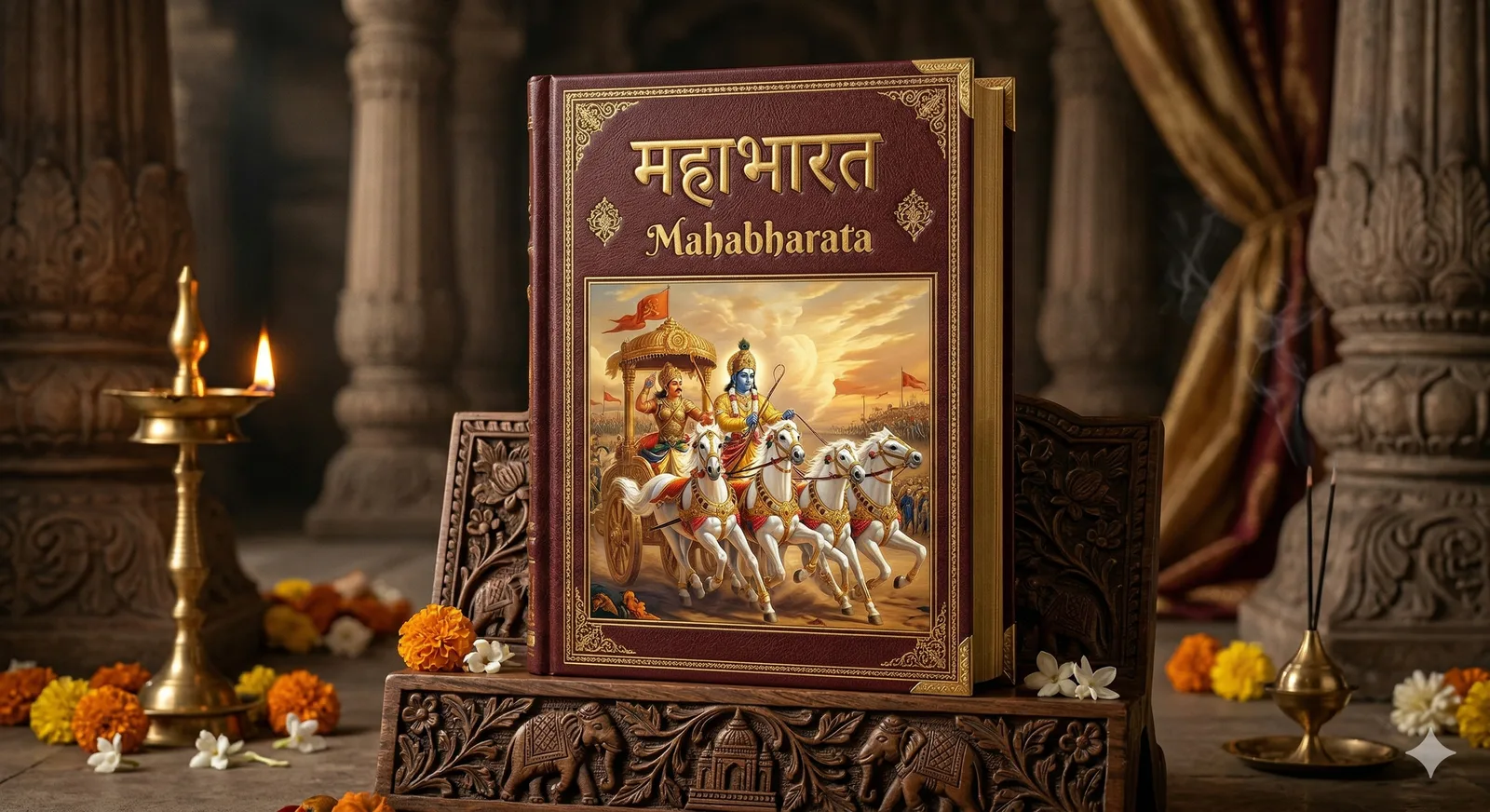
Share well-known Krishna narratives (Gita, Mahabharata context, Bhāgavata themes) as teaching stories
Explain Sanskrit terms and key concepts in plain language (with transliteration help)
Spiritual Journey
Divine Appearance in Mathura
Born to Devakī and Vasudeva, Krishna appears as a protector and restorer of dharma amid oppression.
Vrindavan Leelas (Love & Play)
Stories of compassion, courage, and joy—revealing bhakti as intimate love and trust rather than fear-based religion.
Protector of Vraja
Shelters devotees and challenges empty pride—teaching reliance on the Divine and responsibility toward community.
Wisdom in Action
Models strategic compassion: acting firmly when needed while remaining rooted in dharma and the welfare of all.
Charioteer of Arjuna (The Gita)
On Kurukshetra, Krishna teaches a complete path: act with integrity, steady the mind, surrender the ego, and serve without attachment.
Vishvarūpa (Universal Form)
A vision that shifts the seeker from narrow self-interest toward awe, responsibility, and surrender to the greater order.
Devotion as the Heart Path
Affirms loving remembrance and surrender as a direct path—devotion that becomes ethical action and inner freedom.
Restoring Dharma
Shows that spiritual life unites wisdom, compassion, and courageous action—without hatred or despair.
Core Teachings
Dharma (Right Action)
Choosing the next right step with integrity—aligned with duty, conscience, and the welfare of others (not impulse or fear).
Karma Yoga (Action Without Attachment)
Work as worship: give your best effort, then release obsession with outcomes—reducing anxiety and building steadiness.
Bhakti (Devotion as Strength)
Devotion is not weakness; it trains the heart to trust, surrender ego, and act from love rather than control.
Equanimity (Samatva)
Staying balanced in praise/blame, gain/loss, success/failure—so decisions come from wisdom, not reactivity.
Self-Knowledge (Ātman & Discernment)
Remembering you are more than moods and roles; cultivating discernment between the changing mind and steady awareness.
Many Paths, One Aim
Integrating devotion (bhakti), action (karma), knowledge (jñāna), and meditation (dhyāna) as complementary paths toward liberation.
Sacred Practices
Mantra Japa (Name Remembrance)
Repeating a divine name or mantra to steady attention and soften the heart (e.g., quiet japa with a mala).
Bhakti Yoga (Devotion in Daily Life)
Prayer, singing, gratitude, and service as a way to transform emotion into love and courage.
Gita Study (Svādhyāya)
Short daily reading + reflection to apply teachings to real dilemmas (work, relationships, anxiety, purpose).
Karma Yoga Practice
Choose one duty and perform it wholeheartedly as an offering—then release attachment to outcomes.
Dhyāna (Steady Meditation)
Simple concentration practice to steady the mind; devotion can be used as the anchor.
Ahimsa & Compassion
Non-harming in speech and action; compassion as the moral backbone of dharma.
Sacred Symbols
Om
A sacred sound symbolizing ultimate reality and spiritual consciousness.
Conch (Śaṅkha)
Symbol of auspiciousness, awakening, and the call to dharma.
Lotus
Purity and spiritual growth—living in the world without being stained by it.
Flute (Bānsurī)
Krishna’s call of love—inviting the heart toward devotion and remembrance.
Peacock Feather
Beauty, playfulness, and divine mystery—joy without attachment.
Cow (Go)
Nourishment and gentleness—symbol of care, protection, and abundance.
Tulasi
A sacred plant associated with devotion, purity, and spiritual protection.
Chakra (Sudarśana)
Discernment and the power of truth that cuts through confusion and injustice.
Spiritual Exercises
Karma Yoga — One Task as an Offering
Daily (5–15 minutes + during work)Choose one daily task (email, cooking, cleanup, meeting). Before starting, set a simple intention: 'May this serve the good.' Do the task with full attention. When results arise (praise, blame, success, delay), practice releasing grip: 'Effort is mine; outcome is not fully mine.' End with 30 seconds of gratitude.
Bhakti Meditation — Remembrance in the Heart
15–25 minutesSit comfortably. Begin with 1 minute of steady breathing. Repeat a divine name or mantra softly (japa) for 8–12 minutes. Then rest silently for 2–5 minutes, feeling devotion as warmth or sincerity (no forcing). Close by offering your day: 'May my actions be aligned with dharma.'
7-Day Gita Reflection (Practical Study)
7 days (10 minutes/day)Read a short passage (or 5–10 verses) daily. Write 2 answers: (1) 'What is the teaching in one sentence?' (2) 'Where does this apply in my life today?' Choose one micro-action for the day (e.g., one honest conversation, one act of service, one calm response).
Equanimity Drill (Samatva)
3–6 minutes (as needed)When you feel reactive, pause. Name the pull: 'craving approval' / 'fear of failure' / 'anger.' Take 3 slow breaths. Repeat: 'I choose dharma over impulse.' Then do the next right action—small, clean, and kind.
Frequently Asked Questions
How accurate are Krishna’s answers to Gita verses?
This Krishna guide draws from widely used translations and respected commentaries, and it aims to reflect the spirit and core meaning of the Gita. For deep study, compare multiple translations and consult a qualified teacher or tradition you trust.
Is this service only for Hindus?
No. The teachings can be approached devotionally within Hindu faith or as universal wisdom about duty, ethics, self-mastery, and compassion—while remaining respectful to Hindu tradition.
Can Krishna help with anxiety and decision-making?
Yes—especially through karma-yoga and equanimity: focus on what you can do well now, release obsession with outcomes, and take the next right step aligned with values.
What does 'action without attachment' mean in real life?
It means you still care and work hard—but you stop letting outcome anxiety control you. You commit to right effort, then meet results with steadiness, learning, and humility.
Do I need to chant in Sanskrit?
No. Sanskrit mantras are traditional, but sincerity matters most. You can use a divine name, a short prayer, or a meaningful phrase in your language.
How does AI Krishna compare to reading the Bhagavad Gita myself?
Reading the Gita directly is foundational. This guide adds interactive support—clarifying concepts, offering practical steps, and helping you apply teachings to your specific situation—without replacing personal study or community guidance.
Does Krishna’s guidance cover relationships and family life?
Yes—through dharma, compassion, truthful speech, and service. The aim is to strengthen love while reducing ego-driven conflict and attachment.
How should I start if I’m busy?
Start with 10 minutes: 5 minutes japa or quiet remembrance, then one karma-yoga action (do one task fully, release the outcome). Repeat for 7 days before adding more.
Further Reading
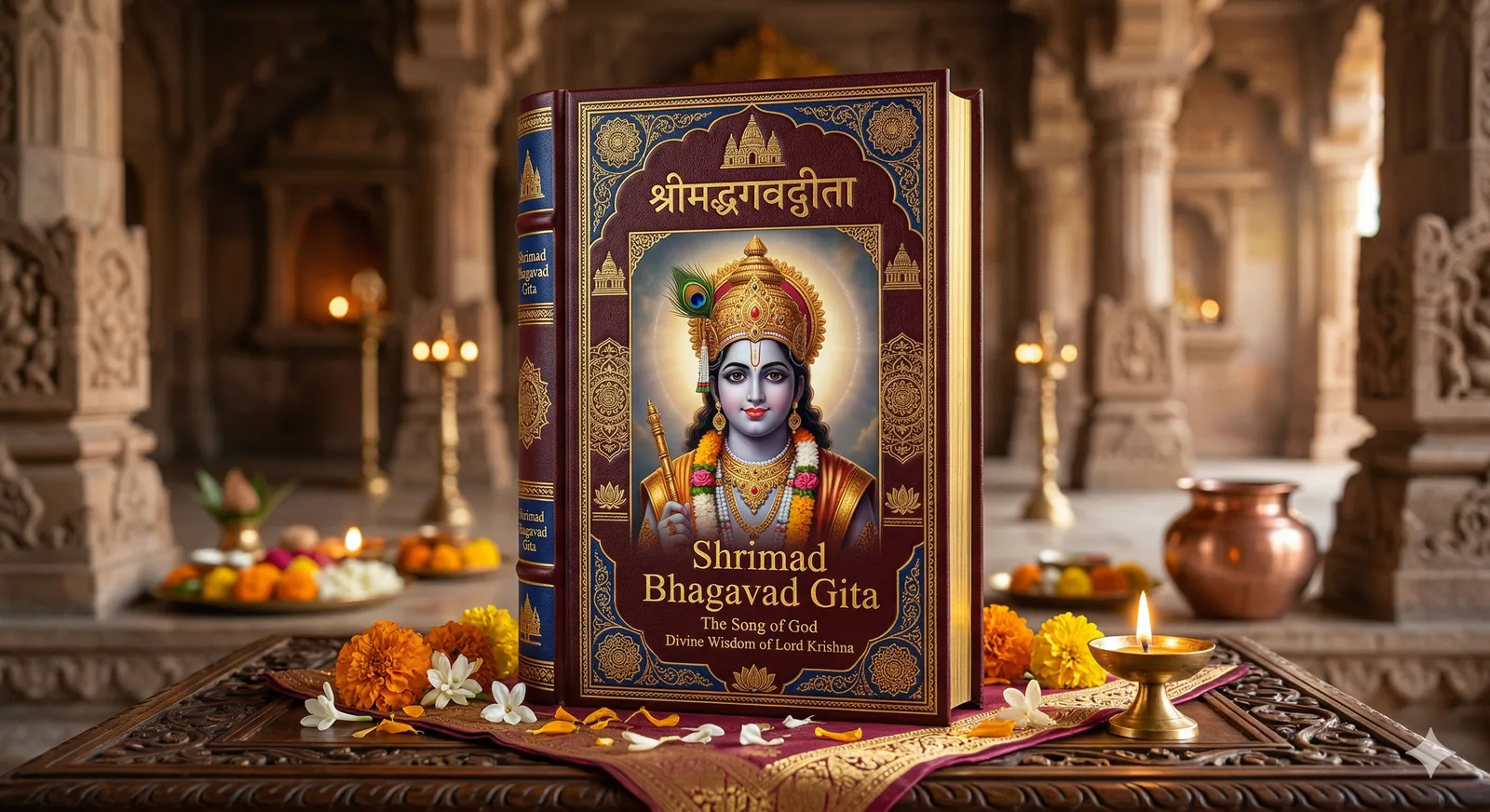
- The Bhagavad Gita — Eknath Easwaranbook
- God Talks with Arjuna — Paramahansa Yoganandabook
- Bhagavad-gītā As It Is — A.C. Bhaktivedanta Swami Prabhupadabook
- Introduction to the Bhagavad Gitavideo
Related Spiritual Figures
Related Sacred Texts
More from Dharmic



Begin Your Journey with Krishna
Explore the wisdom and teachings through AI-powered conversations.
Start Your Transformation