The World Health Organization has called loneliness a global public health epidemic. More people than ever are connected digitally, yet disconnected emotionally. We have hundreds of friends online but no one to call at 2 AM. We scroll endlessly, seeking the feeling that something—or someone—sees us completely.
The answer to this modern crisis of isolation was described thousands of years ago in a tradition that dared to say: the love you are seeking is not in another person. It is the love of the Divine reaching for itself through you.
Key Takeaways
- Bhakti Yoga is the path of love: It is the spiritual practice of cultivating an intense, personal devotion to the Divine.
- You do not need to be an ascetic: Unlike other yogic paths, Bhakti requires no intense physical discipline or intellectual mastery—only a sincere heart.
- Kirtan changes your brain: The communal chanting of mantras physically lowers cortisol (stress) and increases oxytocin (the bonding hormone).
What is Bhakti Yoga?
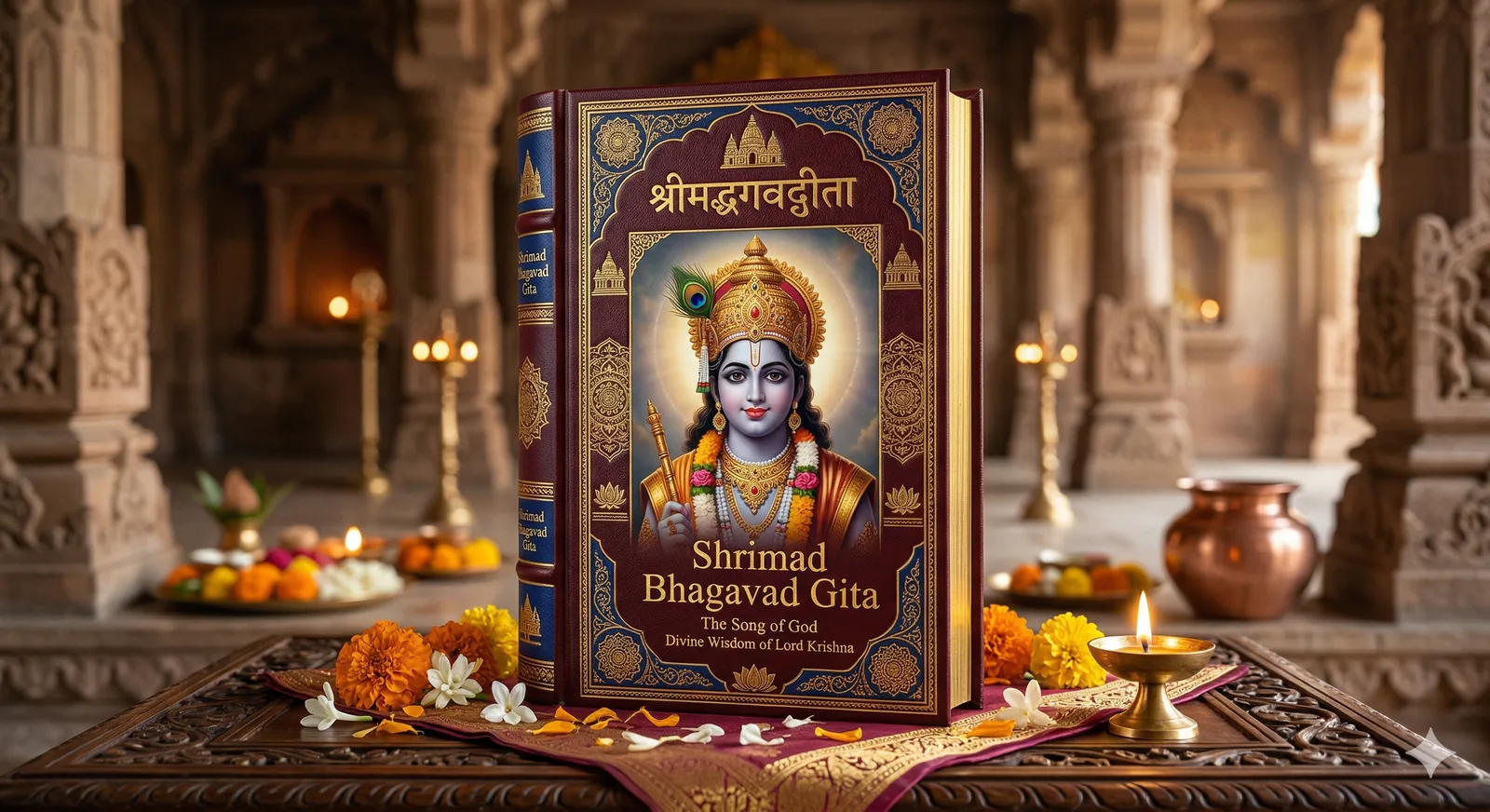
Definition: Bhakti Yoga (Sanskrit: भक्ति योग) is the spiritual path of pure love and devotion to God. Rooted in foundational texts like the Bhagavad Gita and the Bhagavata Purana, it is considered the most accessible path to spiritual liberation (Moksha).
Unlike Karma Yoga (which requires disciplined action) or Jnana Yoga (which requires deep intellectual inquiry), Bhakti Yoga speaks directly to the emotional heart. Its core message is profound: the longing you feel in your chest is not a problem to be solved. It is a portal. As Krishna reveals to Arjuna in the Bhagavad Gita, those who focus their minds on the Divine with steadfast love are considered the most united with God.
The 9 Forms of Bhakti (Navavidha Bhakti)
The Bhagavata Purana, a central text of Sanatana Dharma (Hinduism), describes nine specific practices of devotional yoga, known as Navavidha Bhakti. You do not need to master all nine; any single practice, done with a pure heart, is enough.
- Shravana (Hearing): Listening to the names, stories, and glories of the Divine.
- Kirtana (Chanting): Singing the names and praises of God, often communally.
- Smarana (Remembering): The constant, quiet remembrance of the Divine throughout the day.
- Pada-sevana (Serving): Serving at the feet of God, which translates to serving humanity and all living beings.
- Archana (Worshipping): Ritualistic worship and making physical offerings (such as flowers or light).
- Vandana (Praying): Bowing down and offering heartfelt prayers.
- Dasya (Servitude): Cultivating the attitude of a devoted, loving servant to the Divine.
- Sakhya (Friendship): Relating to God with the intimate love and trust of a best friend.
- Atma-nivedana (Surrender): The complete and total surrender of the ego and the self.
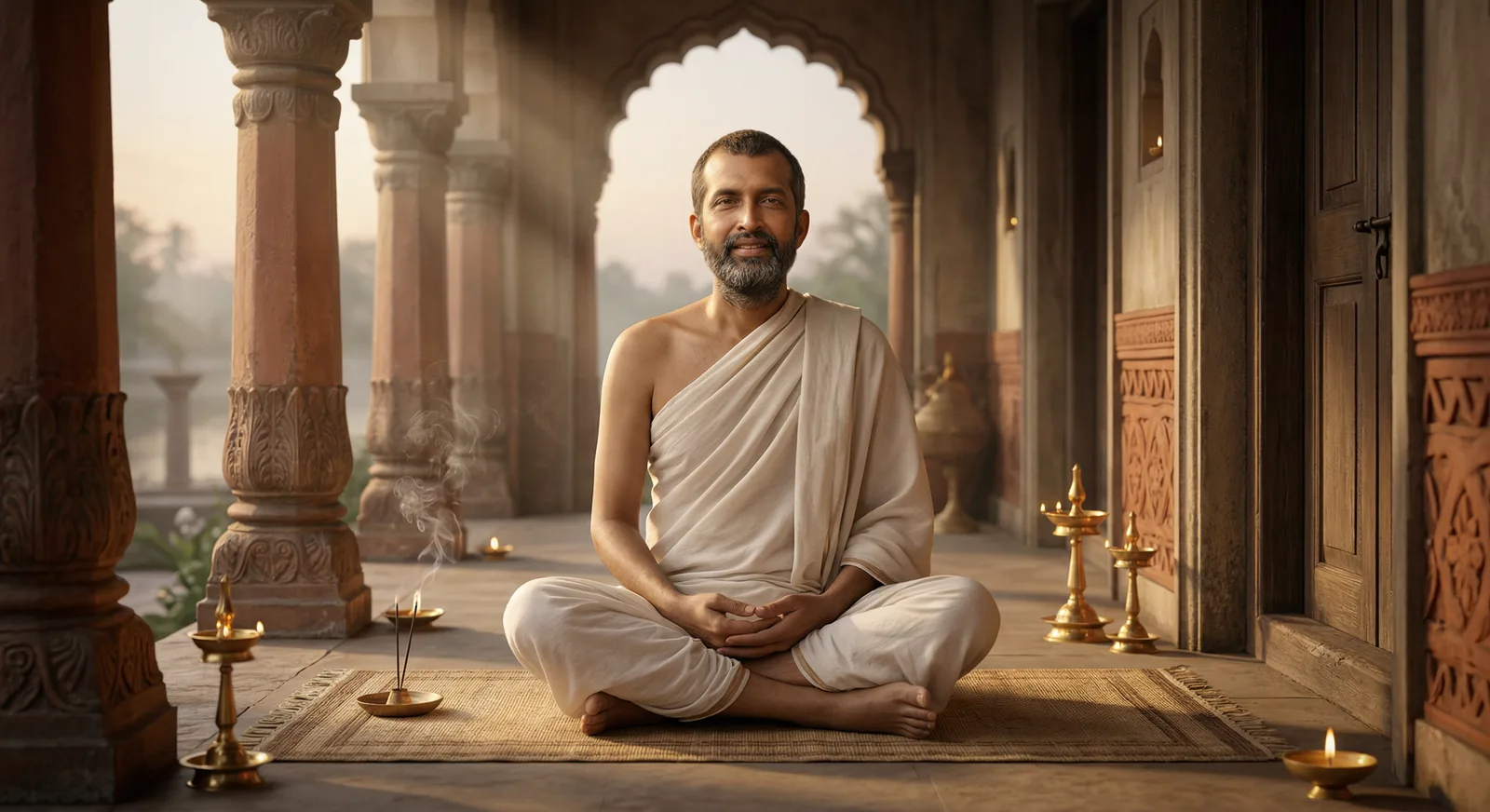
What is beautiful about this nine-fold path is its absolute inclusivity. You do not need to be an intellectual. You do not need to be perfectly virtuous. As Sri Ramakrishna, one of the greatest Bhakti saints of the 19th century, taught: "God is like a magnet. The heart is like a needle. The magnet draws the needle to itself—but the needle must be clean of rust first."
Kirtan: The Science and Medicine of Sacred Sound
Of all Bhakti practices, Kirtan—the communal chanting of divine names—has the most immediate power for modern practitioners.
When a group of people chants together, something physical and psychological shifts. The analytical mind quiets. The heart opens. Modern neuroscientific studies on group chanting show significant reductions in cortisol (the stress hormone) and increases in oxytocin (the bonding hormone). The ancient Rishis designed Kirtan as medicine for exactly this: the medicine of belonging, of resonance, and of sacred vibration moving through the body.
You do not need to be musical, Hindu, or fluent in Sanskrit to benefit from Kirtan. The simplest and most famous form is the Mahamantra:
"Hare Krishna, Hare Krishna, Krishna Krishna, Hare Hare / Hare Rama, Hare Rama, Rama Rama, Hare Hare."
Chanted sincerely—even if you are just sitting alone after your morning Meditation—it has an extraordinary capacity to dissolve anxiety and reconnect you to something warm and alive beneath the noise of daily life.
When You Are Broken: Bhakti as Healing
Bhakti Yoga is uniquely suited to those who are suffering. While some spiritual paths require a calm, focused mind to begin, Bhakti can be practiced in the midst of grief, heartbreak, illness, and despair.
In fact, the tradition suggests that brokenness is often the prerequisite for the deepest devotion.
- Mirabai, the 16th-century mystic poet, composed her most sublime songs of love while her royal family persecuted her.
- Tukaram found God in the depths of poverty and social rejection.
- The great Christian mystic St. John of the Cross described this exact phenomenon as the "dark night of the soul"—the painful stripping away of everything false that leaves only what is real.
If you are going through something difficult right now, the Bhakti path invites you to do one simple thing: turn toward the Divine with exactly what you have, exactly as you are. Not when you are "better." Not when you have more faith. Now, in this moment, with your doubt, your pain, and your longing fully intact.