Yoga has become a global industry worth billions. You can find it in every gym, on every app, and in every hotel lobby. Yet, the modern world has largely taken the word "yoga," kept the physical body, and left the soul behind.
The ancient Indian tradition from which yoga emerged had something far more ambitious in mind than a toned physique or a flexible spine. It was designed as a complete system for mental, physical, and spiritual liberation.
Key Takeaways
- Yoga means union: It is the ancient science of uniting the individual self (Atman) with universal consciousness (Brahman).
- It is more than physical: Physical postures (Asanas) are only one of Patanjali's Eight Limbs of Yoga.
- Breath controls the mind: Pranayama (breath control) directly regulates the nervous system, offering immediate relief from modern anxiety.
What Yoga Really Is: The True Definition
The word "Yoga" originates from the Sanskrit root yuj, which translates to "to yoke," "to unite," or "to join."
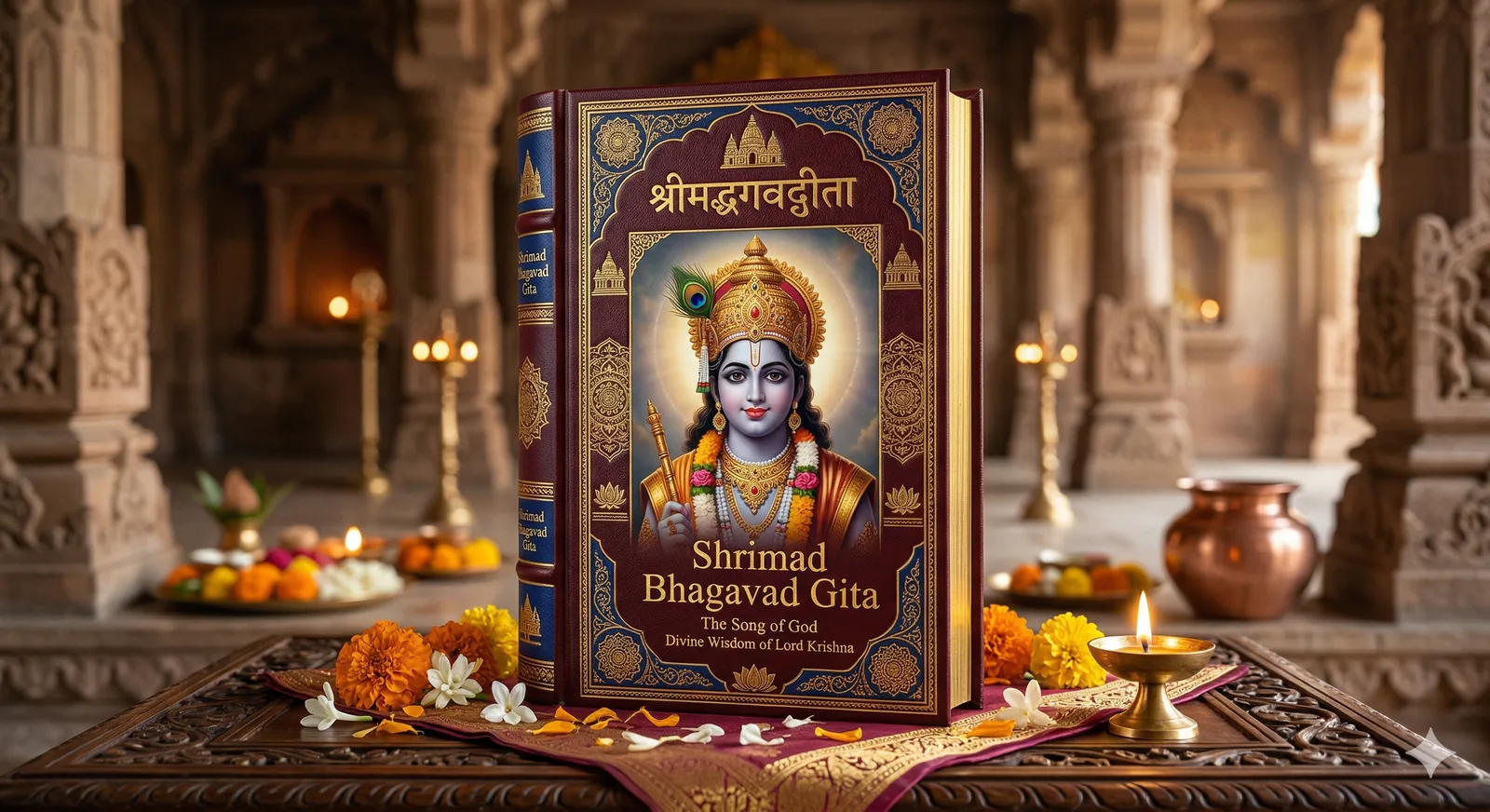
At its core, Yoga is the science and art of uniting the individual self with the universal consciousness. It is a highly refined technology for human transformation—one that the ancient Rishis (sages) tested, refined, and transmitted over thousands of years of careful inner inquiry. While modern culture views it as exercise, foundational texts like the Bhagavad Gita frame Yoga as a discipline of action, devotion, and knowledge.
Patanjali's Eight Limbs: A Complete Map of Human Flourishing
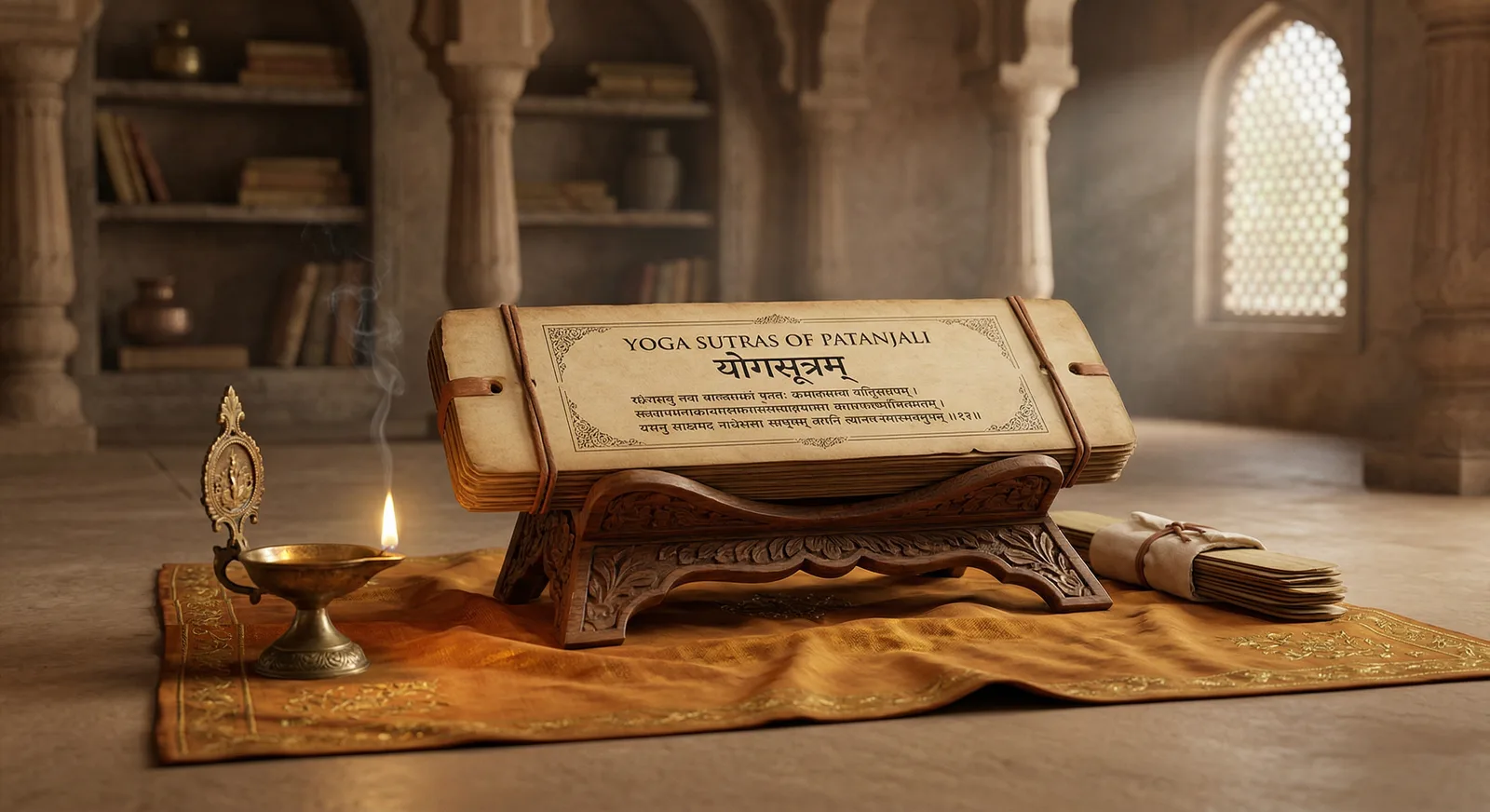
Around 400 CE, the sage Patanjali compiled the Yoga Sutras—196 aphorisms that systematized the vast spiritual science of yoga into a coherent, structured path known as Ashtanga (the eight-limbed path).
Patanjali's famous definition of yoga appears in sutra 1.2: "Yogas chitta vritti nirodhah"—meaning Yoga is the cessation of the fluctuations of the mind. The physical postures we associate with yoga today were originally designed solely to prepare the body for long hours of meditation.
The Eight Limbs (Ashtanga) represent a complete curriculum for physical, ethical, psychological, and spiritual development:
- Yamas (Ethical Restraints): Universal morality, including non-violence (Ahimsa), truthfulness, non-stealing, energy retention, and non-possessiveness.
- Niyamas (Personal Observances): Self-discipline, including purity, contentment, self-study, and surrender to a higher power.
- Asana (Physical Postures): Training the body to sit comfortably and steady the mind.
- Pranayama (Breath Control): Expanding and regulating the vital life force (Prana) through breath.
- Pratyahara (Sense Withdrawal): Directing attention inward, away from external sensory distractions.
- Dharana (Concentration): One-pointed focus on a single object or thought.
- Dhyana (Meditation): An unbroken flow of deep, contemplative absorption.
- Samadhi (Integration): The ultimate state of enlightenment and union with the divine.
Pranayama: The Bridge Between Body and Mind
Of all yoga's gifts to modern life, Pranayama (conscious breath control) is perhaps the most immediately powerful.
The breath is the only autonomic function of the body we can consciously control. Through the breath, we directly influence the nervous system, the mind, and our emotional state. Modern neuroscience confirms what yogis knew millennia ago: slow, rhythmic breathing activates the parasympathetic nervous system (the rest-and-digest state), directly counteracting stress.
3 Essential Breathing Techniques
- The 4-7-8 Breath: Inhale for 4 counts, hold for 7, and exhale for 8. This rapid-acting technique reduces anxiety in minutes.
- Nadi Shodhana (Alternate Nostril Breathing): Balances the left and right hemispheres of the brain, producing a profound sense of calm.
- Kapalbhati (Skull-Shining Breath): Rapid abdominal breathing that clears mental fog and energizes the nervous system.
Five to ten minutes of pranayama each morning is one of the highest-return investments you can make for your mental health.
Bringing Yoga Home: A 30-Minute Daily Practice
You do not need an expensive studio membership or a designer mat to practice authentic yoga. You simply need consistency. By combining movement, breath, and Meditation, you can build a transformative daily routine.
Try this 30-minute sequence every morning for 30 days:
- 10 Minutes of Asana: Gentle, conscious movement and stretching to wake the physical body and release stored tension.
- 10 Minutes of Pranayama: Sit with a tall spine and practice alternate nostril breathing or the 4-7-8 method to steady the mind.
- 10 Minutes of Dhyana (Meditation): Sit in silence. Act as the witness to your thoughts without engaging them.
Yoga is the world's oldest holistic health system. While it forms a foundational pillar of Sanatana Dharma (Hinduism), it is a universal science practiced by people of all faiths. Your body already knows the way home. Yoga is simply the act of remembering.
Exploring Related Sacred Wisdom
- Vedic Science of Meditation & Consciousness: Exploring ancient techniques for inner stillness and mental clarity.
- Karma Yoga: Selfless Action in Daily Life: Mastering action and duty without ego attachment.
- Vedanta & Self-Inquiry: Who Am I?: The non-dual inquiry into the true nature of consciousness.
- The Bhagavad Gita's Guide to Anxiety & Stress: Practical ancient tools for mental resilience.
- Search Scriptures, Gurus & Sacred Texts: Search our complete interactive wisdom database.