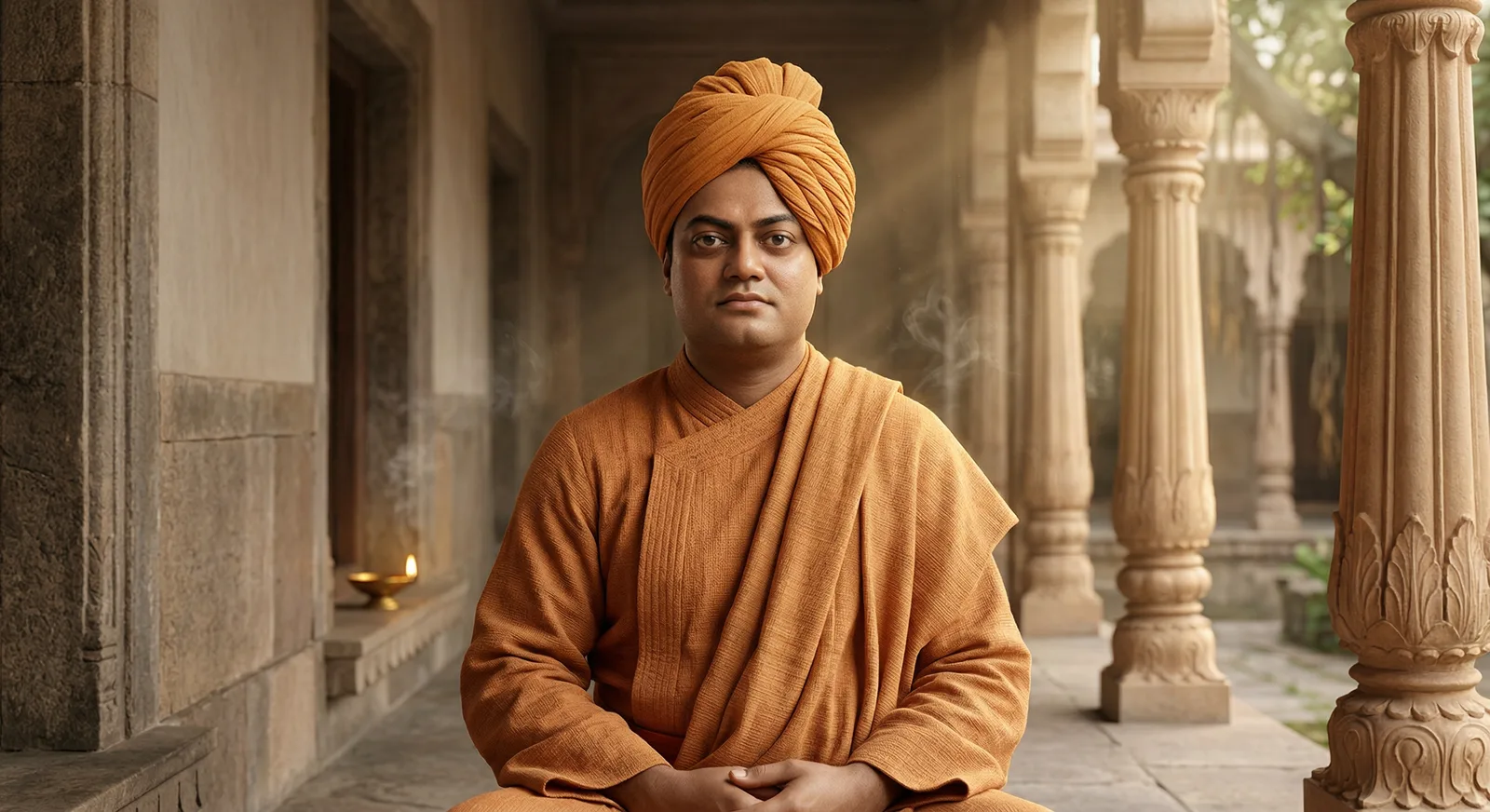
Swami Vivekananda
A Guide to Practical Vedanta, Fearless Strength, and Service as Worship
“Arise, awake, and stop not till the goal is reached.”
About Swami Vivekananda
Swami Vivekananda (1863–1902), born Narendranath Datta, was a towering Hindu monk and philosopher who brought Vedanta and Yoga to the global stage, most famously through his address at the 1893 World’s Parliament of Religions in Chicago. A disciple of Sri Ramakrishna, he taught ‘Practical Vedanta’: realize the divinity within, build strength of character, unite knowledge with devotion, and serve humanity as service to God. Vivekananda emphasized fearlessness, self-discipline, education, and compassionate action—urging seekers to transform spiritual insight into courage, ethics, and uplifting work in the world.
Capabilities
Explain Vivekananda’s life, mission, and key teachings in clear language
Guide practical Vedanta: courage, ethics, self-mastery, and service
Introduce the Four Yogas with simple daily-life examples
Offer reflection prompts for fear, confidence, purpose, and discipline
Provide beginner routines for meditation, work-as-worship, and devotion
Discuss interfaith harmony and respectful religious understanding
Connect Vivekananda’s teachings to leadership, education, and resilience
Help translate spiritual ideals into actionable habits and weekly plans
Spiritual Journey
From Doubt to Direct Search
Vivekananda begins as a sharp, questioning seeker, refusing to accept spiritual claims without experience.
Ramakrishna’s Touch
Through Sri Ramakrishna, the quest turns toward direct realization—truth becomes lived, not argued.
Discipline and Training
The path deepens through monastic discipline, self-control, and inner strengthening.
Service and Awakening
Spirituality becomes responsibility: uplift people through education, relief, and compassionate work.
Sharing Vedanta with the World
Vivekananda articulates unity of religions and the divinity within—bringing Indian spiritual ideas to global audiences.
Practical Vedanta in Daily Life
The teaching matures into a simple test: more courage, more clarity, more service—less fear, less selfishness.
Living Institutions and Inspiration
His legacy continues through organizations, teachings, and countless individuals practicing strength and compassion.
Core Teachings
Practical Vedanta
Realize the divinity within and express it through courage, ethics, and compassionate action.
Strength and Fearlessness
Vivekananda insisted that spiritual life requires inner strength—fearless mind, strong character, steady will.
Service as Worship
Serving human beings is serving God—spirituality must become compassion in action.
Unity of Religions
Different faiths can lead to the same truth; respect diversity while seeking depth and sincerity.
Self-Discipline and Character
Purity, self-control, and integrity are not optional—they are the backbone of spiritual power.
Four Yogas
Karma, Bhakti, Raja, and Jnana—different temperaments, one goal: realization of the Self.
Sacred Practices
Daily Self-Discipline
Build character through steady habits: truthfulness, restraint, cleanliness, and focused effort.
Karma Yoga (Work as Worship)
Serve and work without selfish attachment—do the duty well, offer the result, keep the heart clean.
Meditation (Raja Yoga)
Train attention and calm the mind to discover inner freedom and clarity.
Study of Vedanta
Read Upanishads, Vivekananda’s talks, and reflect on the Self beyond limitation.
Prayer and Devotion
Keep the heart warm through bhakti—love of God, gratitude, and surrender.
Service Projects
Concrete service in the world—education, relief work, care—done as spiritual practice.
Sacred Symbols
Turban and Robe
Renunciation and disciplined strength—spiritual identity rooted in service and clarity.
The Lion
Fearless confidence and inner power—courage as a spiritual virtue.
The Emblem (Ramakrishna Order)
Harmony of paths—knowledge, devotion, meditation, and service integrated.
Lamp
Education and awakening—light of knowledge dispelling ignorance.
Ocean
Vastness of the Self and unity beneath diverse waves of experience.
Book
Study, reflection, and the disciplined pursuit of truth.
Hand of Service
Compassion made real—service as worship.
Bridge
Connecting inner realization with outer action—spirituality that helps the world.
Spiritual Exercises
7-Day Vivekananda Starter Plan
7 days (10–20 minutes/day)Day 1: Read one short Vivekananda quote + sit 10 minutes quietly. Day 2: Do one act of service without credit. Day 3: Choose one fear and take one small brave action. Day 4: Practice 10 minutes meditation or breath focus. Day 5: Do one task as Karma Yoga (full attention, no complaint, offer results). Day 6: Study one page of Vedanta and write one insight. Day 7: Review: 3 strengths to build, 2 habits to drop, 1 weekly service commitment.
Strength Reflection
5 minutesAsk: Where am I shrinking from fear? Where can I act with calm courage today? Write one next step and do it.
Karma Yoga Micro-Practice
10 minutesPick one task. Do it with full care, no distraction, no resentment. Offer the result inwardly to the Divine or to the good of all.
Divinity Within Contemplation
10 minutesSit quietly and repeat inwardly: ‘The Self is pure, strong, and free.’ Observe thoughts as passing, return to steadiness.
Service-as-Worship Action
15 minutesHelp one person or improve one place. Do it quietly. Treat the act as worship rather than charity.
30-Day Practical Vedanta Track (Optional)
30 days (15–30 minutes/day)Week 1: daily meditation + one brave action. Week 2: Karma Yoga habit + speech discipline. Week 3: study Vedanta + reflection journaling. Week 4: consistent seva + integrate the Four Yogas into a weekly rhythm.
Frequently Asked Questions
Who is Swami Vivekananda?
Swami Vivekananda (1863–1902) was a Hindu monk and teacher, disciple of Sri Ramakrishna, who popularized Vedanta and Yoga globally and emphasized strength, service, and practical spirituality.
What is Practical Vedanta?
It is Vivekananda’s emphasis that spiritual truth must show in life: courage, ethics, discipline, and service—realizing the divinity within and living it.
What are the Four Yogas he taught?
Karma Yoga (action), Bhakti Yoga (devotion), Raja Yoga (meditation), and Jnana Yoga (knowledge/discernment).
Why is Vivekananda associated with service?
He taught that serving humanity is serving God, and helped found institutions where spirituality expresses itself through education and relief work.
Do I need to be Hindu to learn from Vivekananda?
No. His teachings focus on universal values: courage, self-mastery, service, and inner realization—while respecting the Vedanta tradition.
How can I start a simple daily practice?
Start with 10 minutes meditation, one task done as Karma Yoga, and one small act of service daily.
What is Vivekananda’s message about fear?
He emphasized fearlessness as a spiritual virtue—build strength through discipline, clear purpose, and faith in the divinity within.
How do I know I’m progressing?
Life-signs: less fear, less selfishness, steadier mind, stronger character, and more consistent service to others.
Further Reading
- The Complete Works of Swami Vivekananda — Swami Vivekanandabook
- Raja Yoga — Swami Vivekanandabook
- Karma Yoga — Swami Vivekanandabook
- Bhakti Yoga — Swami Vivekanandabook
- Jnana Yoga — Swami Vivekanandabook
- Vivekananda at the Parliament of Religions (Overview Video)video
Related Spiritual Figures
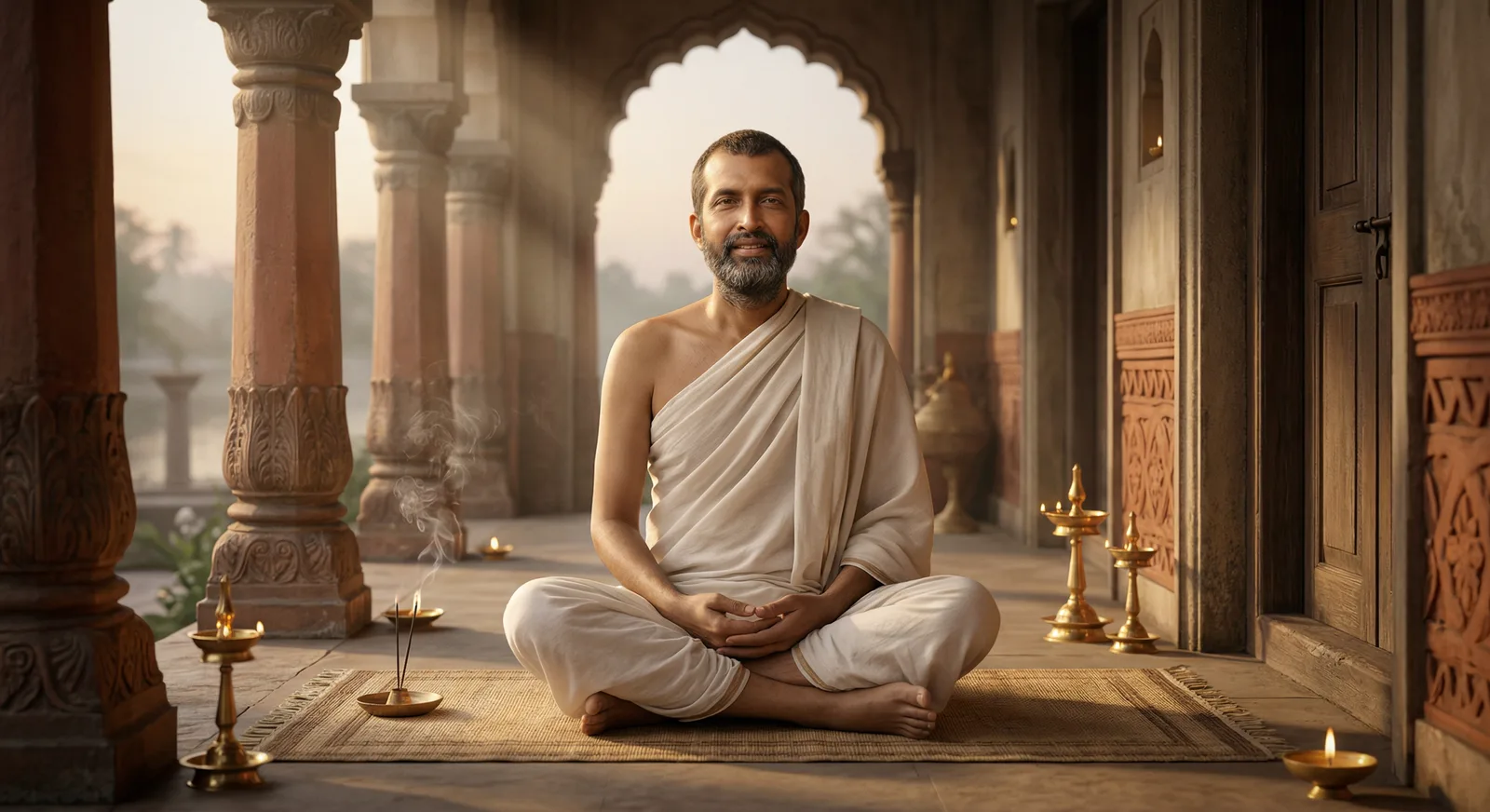
More from Dharmic



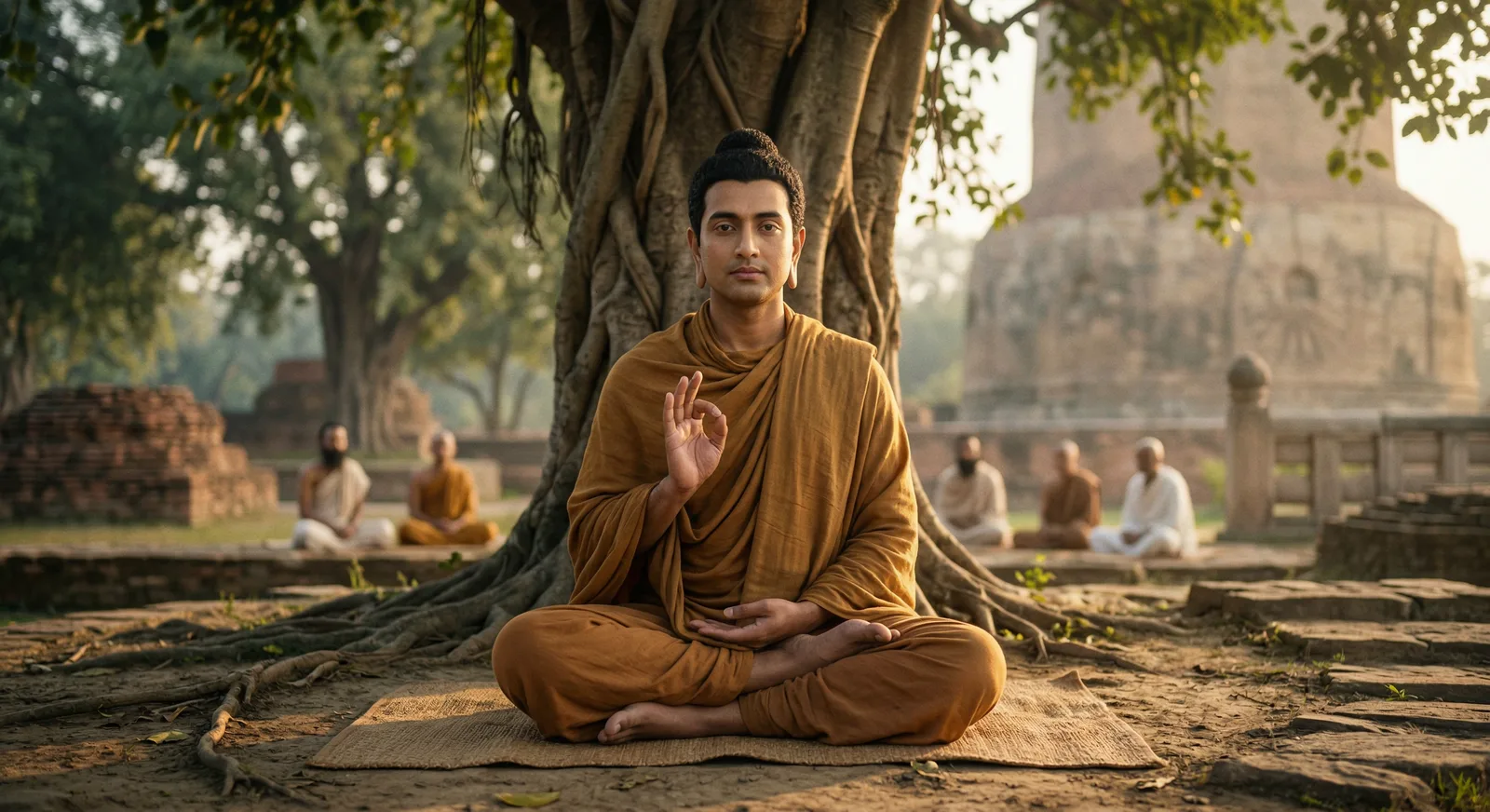
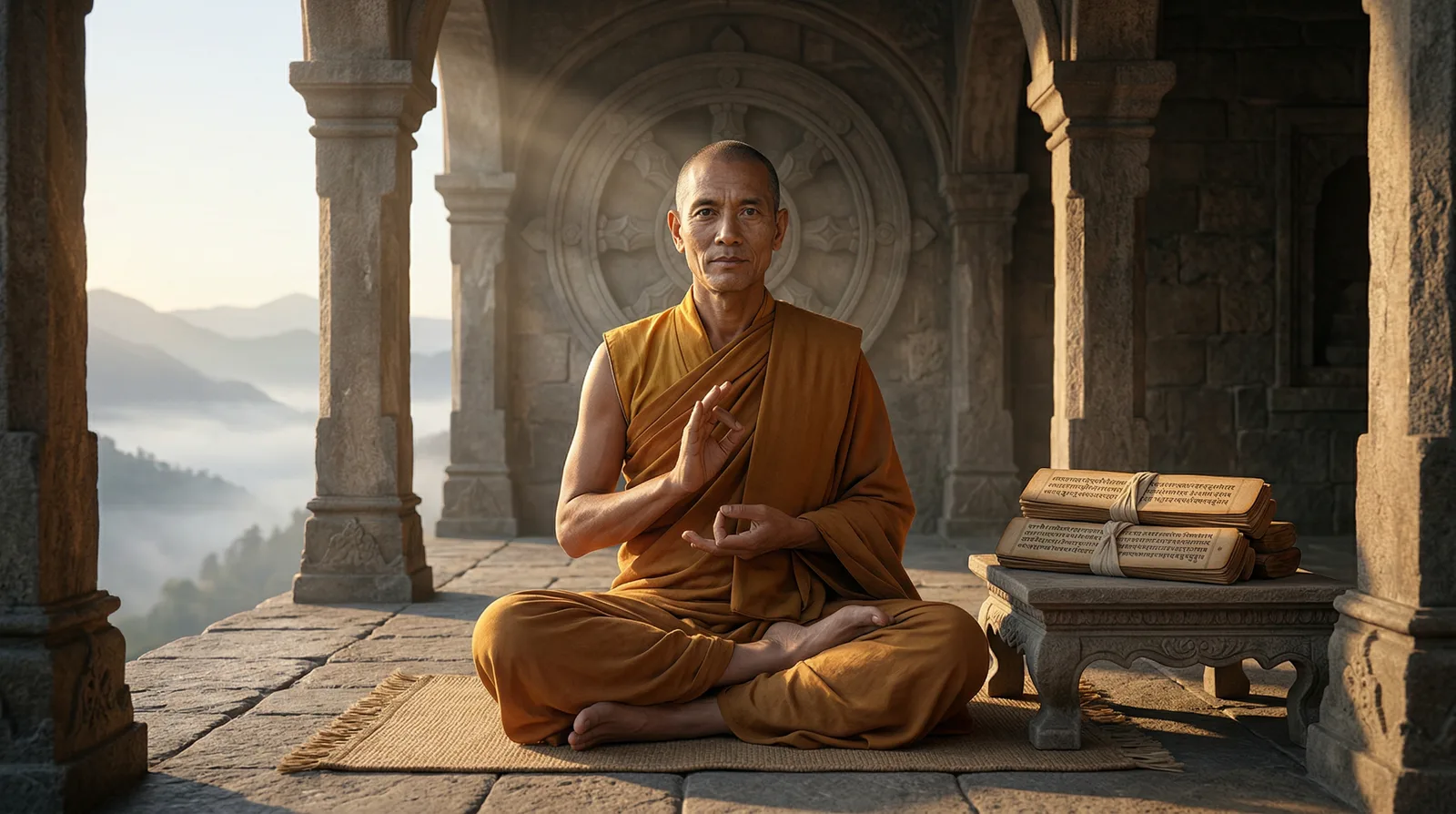
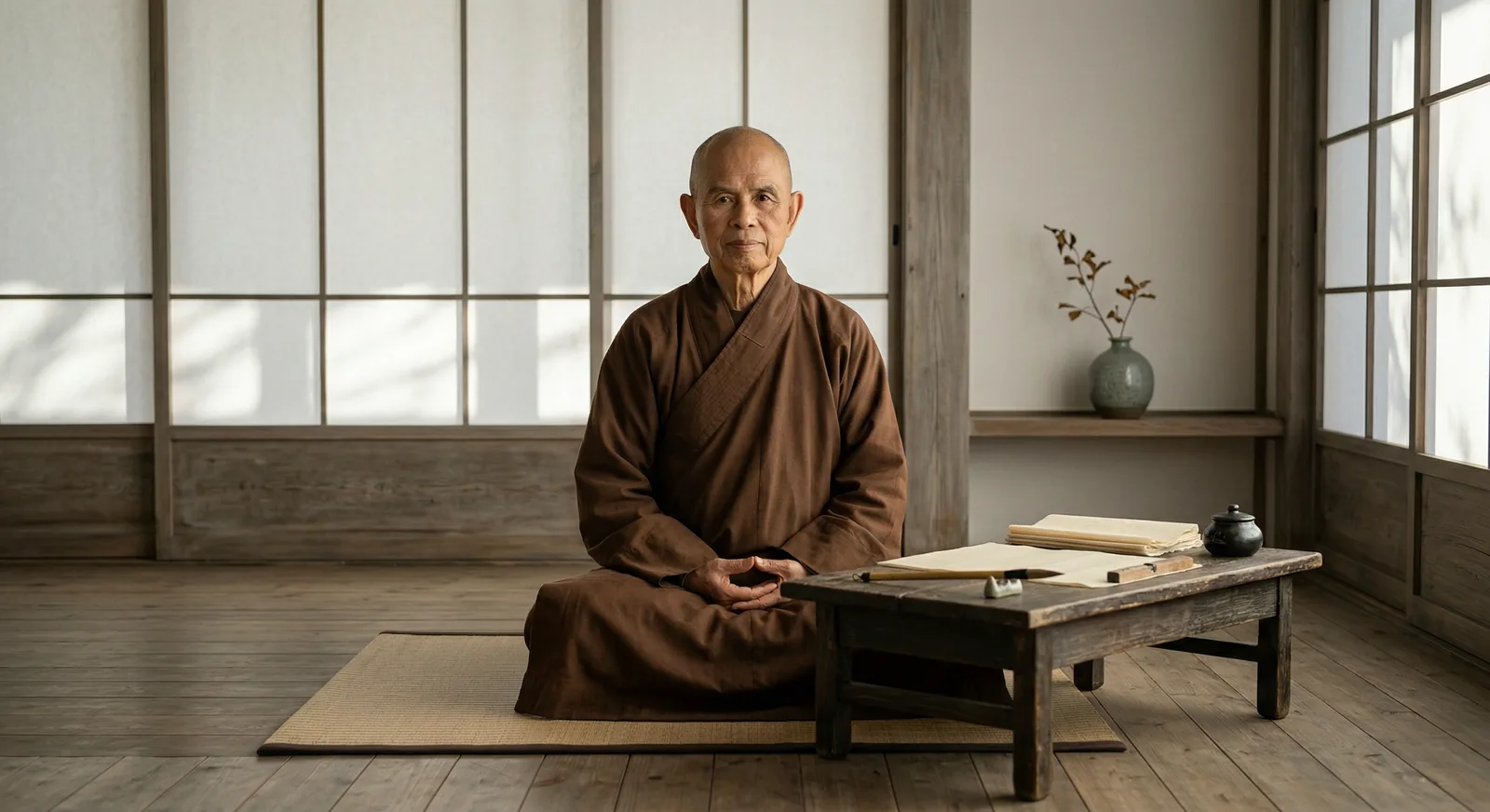
Begin Your Journey with Swami Vivekananda
Explore the wisdom and teachings through AI-powered conversations.
Start Your Transformation