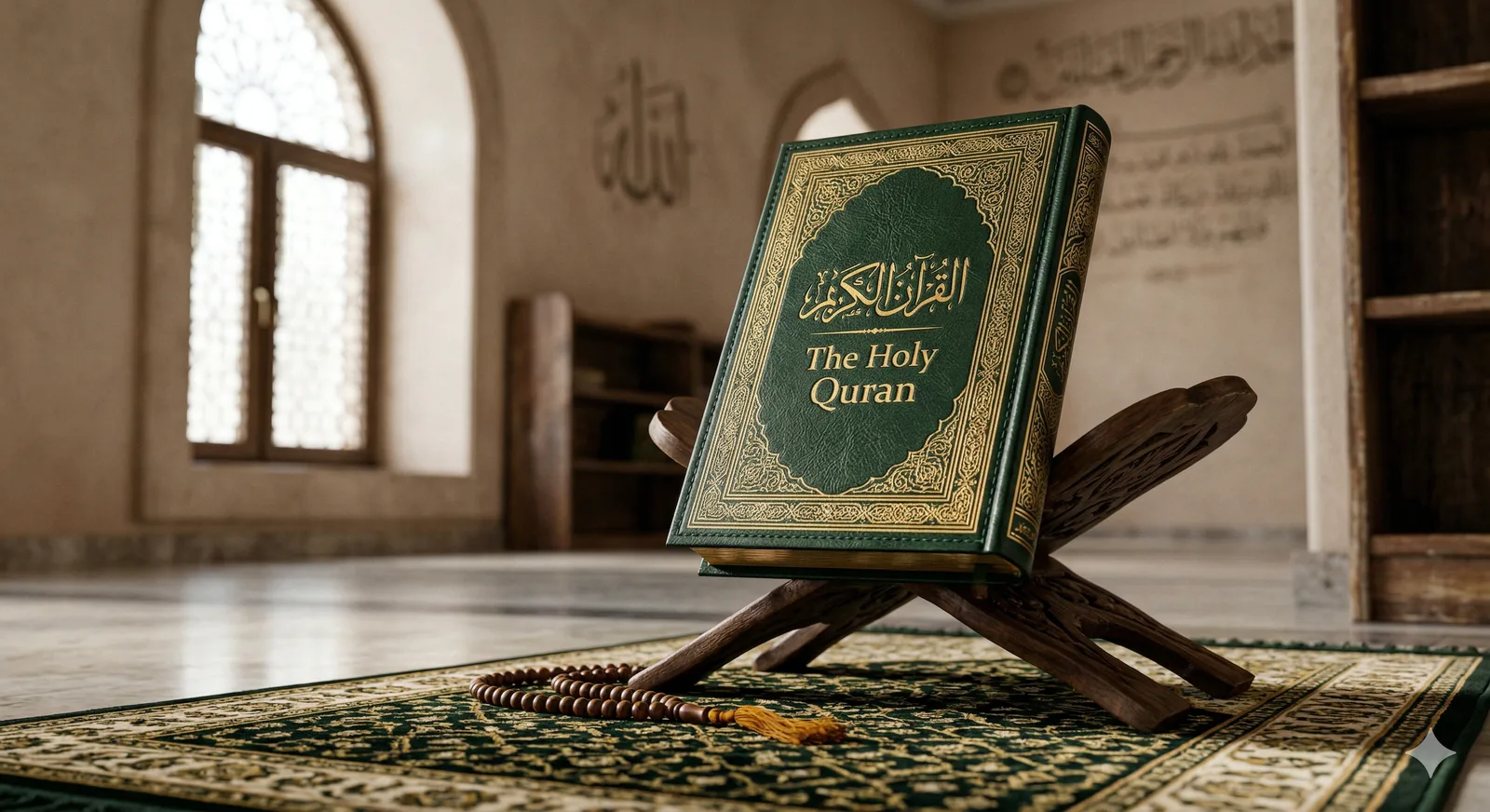
In a World of Impatience: The Three Quiet Revolutions
We live in an age of instant gratification—instant messaging, fast commerce, algorithmic feeds, and rapid feedback loops. The capacity to wait, endure, and maintain composure through adversity has become increasingly rare. Yet, when unexpected trials, loss, or chronic stress strike, superficial distractions collapse.
The Islamic tradition addresses this human vulnerability through three foundational spiritual technologies: Sabr (patience/resilience), Shukr (gratitude), and Salah (mindful prayer).
Rather than treating these as mechanical religious obligations, classic scholars like Imam Al-Ghazali and Ibn al-Qayyim recognized them as a complete psychological system for inner peace.
                  ┌─────────────────────────────────────────┐
                  │        ISLAMIC PATH TO PEACE            │
                  └────────────────────┬────────────────────┘
                                       │
       ┌───────────────────────────────┼───────────────────────────────┐
       │                               │                               │
┌──────▼────────┐               ┌──────▼────────┐               ┌──────▼────────┐
│  1. SABR      │               │  2. SHUKR     │               │  3. SALAH     │
│(Active Patience)              │  (Gratitude)  │               │(Mindful Prayer)
└───────────────┘               └───────────────┘               └───────────────┘
Key Takeaways from Islamic Spiritual Psychology
- Sabr is Active Radiance: True patience is not passive suffering; it is active emotional stability rooted in divine trust (Tawakkul).
- Shukr Rewires Attention: Gratitude shifts focus from scarcity to abundance, unlocking inner contentment (Qana'ah).
- Salah as a Life Anchor: 5 daily prayers reset the nervous system, breaking the noise of daily work with sacred presence.
1. Sabr (Patient Endurance): Sacred Verse & Hadith
The Quran mentions Sabr over 90 times, highlighting its central role in emotional and spiritual maturity.
In Surah Al-Baqarah (2:155–157), the Quran addresses the inevitability of life's challenges:
"Wa la-nabluwannakum bi-shay'im minal-khawfi wal-jū'i wa naqsim minal-amwāli wal-anfusi wath-thamarāt | Wa bashshiris-sābirīn ||"
Translation: "And We will surely test you with something of fear and hunger and a loss of wealth and lives and fruits, but give good tidings to the patient (As-Sabirin)."
                                TRIALS OF LIFE
                        (Fear, Loss, Change, Stress)
                                     │
                 ┌───────────────────┴───────────────────┐
                 │                                       │
      ┌──────────▼──────────┐                 ┌──────────▼──────────┐
      │ Passive Resignation │                 │    ACTIVE SABR      │
      │ Bitter, resentful,  │                 │ Steady, trustful,   │
      │ emotional collapse. │                 │ dignity in effort.  │
      └─────────────────────┘                 └──────────┬──────────┘
                                                         │
                                              ┌──────────▼──────────┐
                                              │ "God is with those  │
                                              │   who are patient"  │
                                              └─────────────────────┘
The Prophet's Blueprint for Resilience
In Sahih Muslim (Hadith 2999), the Prophet Muhammad (ﷺ) outlined the psychological secret of complete emotional immunity:
"How wonderful is the affair of the believer! There is good for him in every matter... If prosperity comes to him, he expresses gratitude (Shukr), and that is good for him. If adversity touches him, he shows patience (Sabr), and that is good for him."
This dual dynamic creates an unbreakable inner state: when circumstances are favorable, you grow through gratitude; when circumstances are difficult, you grow through patience.
In Surah Ash-Sharh (94:5–6), the Quran offers further psychological comfort:
"Fa-inna ma'al 'usri yusra | Inna ma'al 'usri yusra ||"
Translation: "For indeed, with hardship comes ease. Indeed, with hardship comes ease."
Notice the preposition: ease does not merely follow hardship eventually; ease is woven alongside (ma'a) the hardship itself for those who practice Sabr.
2. Shukr (Gratitude): The Science of Abundance
In Surah Ibrahim (14:7), the Quran reveals the spiritual law of expansion through gratitude:
"La-in shakartum la-azīdannakum |"
Translation: "If you are grateful, I will surely increase you in favor."
In Islamic psychology, Shukr is expressed through three dimensions:
- Shukr of the Heart (Qalb): Recognizing that all blessings, abilities, health, and opportunities are gifts from the Divine (Al-Rahman).
- Shukr of the Tongue (Lisan): Expressing sincere praise (Alhamdulillah) and acknowledging good in others.
- Shukr of the Limbs (Jawarih): Using your health, skills, and resources to serve humanity.
Modern neurobiology confirms that regular gratitude practices increase dopamine and serotonin production, reduce stress hormones, and rewire neural pathways away from negativity bias.
Imam Al-Ghazali noted in Ihya Ulum al-Din that gratitude is higher than patience because patience is practiced during pain, whereas gratitude is the joyful recognition of divine love.
3. Salah (Prayer): The Rhythm of Presence
The five daily prayers (Salah) create a sacred temporal architecture across the day:
| Prayer | Time of Day | Spiritual Significance |
|---|---|---|
| Fajr | Before Dawn | Awakening awareness before the world rushes in. |
| Dhuhr | Midday | Pausing productivity to realign purpose at peak busy hours. |
| Asr | Late Afternoon | Resetting focus amidst fatigue before the day closes. |
| Maghrib | Sunset | Transitioning into evening with gratitude for the day. |
| Isha | Night | Releasing all worries into God's care before sleep. |
The Mystery of Sujood (Prostration)
During Salah, the practitioner performs Sujood—placing the forehead, palms, knees, and toes flat on the ground.
PHYSICAL POSTURE: Forehead touches the ground (Lowest physical point)
                       │
                       ▼
SPIRITUAL RESTRUCTURING: Ego surrenders control to Divine Will
                       │
                       ▼
NEUROLOGICAL EFFECT: Parasympathetic activation & mental quietude
The Prophet (ﷺ) stated: "The closest a servant is to his Lord is when he is in prostration." (Sahih Muslim). In prostration, the ego surrenders its burden of needing to control everything, experiencing profound emotional relief.
Achieving Khushu (Mindful Attention)
To transform mechanical movements into spiritual awakening, Islam emphasizes Khushu (concentrated presence).
Before prayer, the ritual purification with water (Wudu) acts as a somatic reset, washing away mental turbulence and preparing the practitioner to stand in the presence of the Divine.
God's Radical Nearness: Overcoming Isolation
Perhaps the deepest gift of the Islamic tradition to an age of loneliness is the assurance of God's intimate presence.
In Surah Qaf (50:16), the Quran declares:
"Wa laqad khalaqnal-insāna wa na'lamu mā tuwaswisu bihī nafsuhū wa naḥnu aqrabu ilayhi min ḥablil-warīd ||"
Translation: "And We have already created man and know what his soul whispers to him, and We are closer to him than his jugular vein."
God is introduced not as a distant judge, but as Al-Wadud (The All-Loving), Al-Qarib (The Near), and Al-Mujeeb (The Answerer of Prayers). You are never truly isolated; every whisper of your heart is heard.
3 Practical Exercises for Daily Inner Peace
You can integrate these principles into your daily routine:
1. The 3-Point Morning Shukr Protocol
Every morning upon waking, before touching your phone or checking emails:
- Identify 3 specific blessings: one physical (e.g., lungs breathing), one relational (e.g., a loved one), and one situational (e.g., warm shelter).
- Say "Alhamdulillah" (Praise be to God) with full heart-engagement for each item.
2. The 5-Second Sabr Trigger Pause
Whenever you encounter an unexpected frustration—a delayed train, a rude comment, or a canceled meeting:
- Take a deep breath, pause for 5 seconds, and recite: "Inna lillahi wa inna ilayhi raji'un" (To God we belong, and to Him we return).
- Remind yourself: "This test is temporary; my response is what endures."
3. Mindful Transition Protocol Before Prayer / Meditation
Before beginning prayer or meditation:
- Perform Wudu or wash your hands and face mindfully.
- Pause at your prayer mat or quiet space for 30 seconds to release work thoughts, reminding yourself: "I am stepping out of time into the presence of the Eternal."
Interlinking & Comparative Wisdom
Explore deeper connections across world spiritual traditions:
- Comparative study on presence: Mindfulness & Buddhist Presence
- Selfless action and surrender: Karma Yoga: Selfless Action
- Contemplation and peace: Sermon on the Mount
- Interacting with spiritual guides: Meet the Gurus
Conclusion: Freedom Through Surrender
The word Islam shares its root with Salām (peace). It signifies that true peace is not achieved by fighting reality or trying to force the universe to yield to ego-desires, but through conscious surrender to Divine wisdom.
Through Sabr, Shukr, and Salah, you develop an unshakable sanctuary within your own heart.
Are you ready to explore deeper spiritual practice? Start My Transformation and discover AI guidance trained on sacred world traditions.