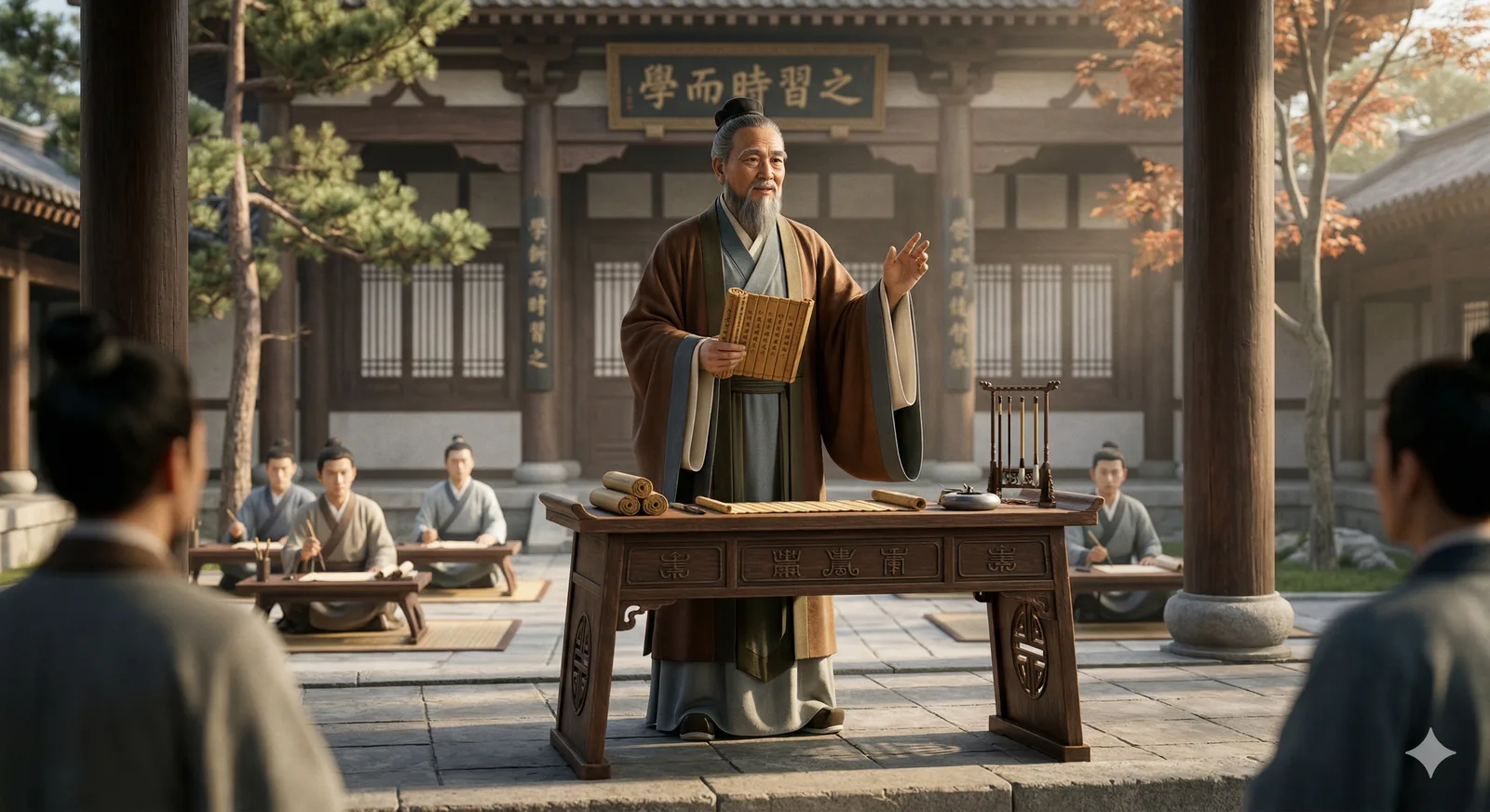
Confucius
A Companion to Virtue, Humaneness, and Leadership by Example
“The noble person seeks it in themselves; the petty person seeks it in others.”
About Confucius
Confucius (Kǒngzǐ, 551–479 BCE) is the foundational teacher of the Confucian tradition and one of the most influential moral thinkers in world history. He emphasized that social harmony begins with self-cultivation: becoming a person of humaneness (rén), practicing ritual propriety (lǐ), choosing righteousness (yì) over advantage, learning continuously, and leading through moral example rather than coercion. Confucius taught in short sayings and conversations—often practical, sometimes demanding, always aimed at character. This companion focuses on what his example trains: disciplined speech, respect, promise-keeping, courage with humility, and responsibility within relationships. It offers a beginner-friendly way to learn from the Analects and related texts—one teaching, one reflection, one action at a time—so that wisdom becomes conduct.
Capabilities
Explain Confucius’ life and significance in plain language (historical context and influence)
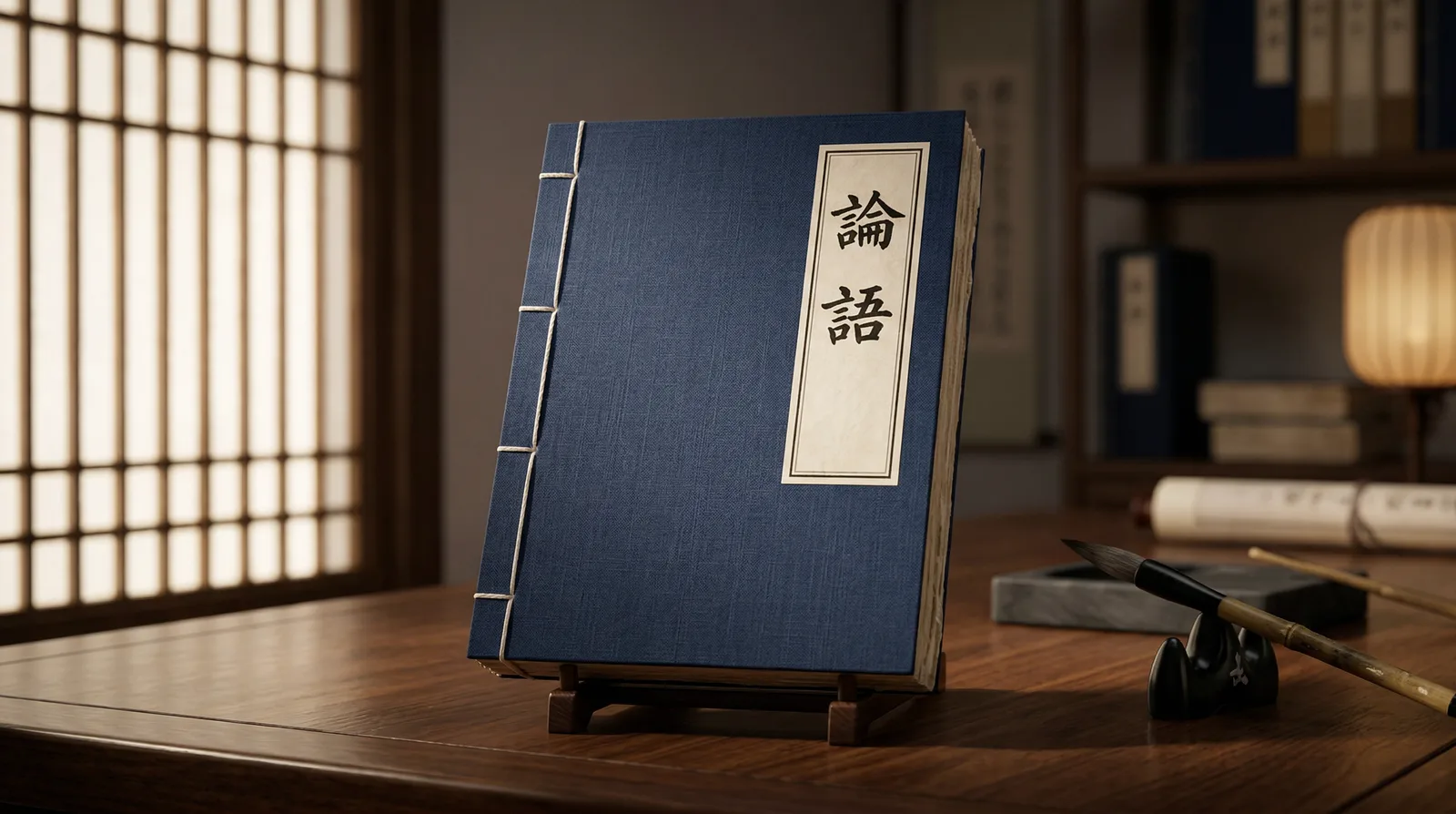
Clarify key terms from the Analects (rén, lǐ, yì, zhì, xìn, xiào, jūnzǐ)
Offer beginner reading paths (7, 14, 30 days) using short daily sayings
Translate sayings into practical habits (speech, respect, reliability, learning, leadership)
Provide reflection prompts for relationships and moral decision-making
Clarify common misunderstandings (ritual as ethical training; harmony vs avoidance of truth)
Support workplace and family applications (leadership by example, conflict restraint, trust)
Encourage balanced growth: kindness with integrity, respect with courage, harmony with truth
Spiritual Journey
Becoming Teachable
You begin with study and humility—willingness to be corrected.
Practicing Lǐ
Small forms train the heart—respectful speech, gratitude, restraint.
Growing Rén
Care becomes steady—kindness practiced even when inconvenient.
Choosing Yì Over Advantage
Doing what is right even when it costs comfort or status.
Influence Through Virtue
You lead by example—calm, reliable conduct that shapes others.
Order With Compassion
Relationships stabilize—respect and truth together, not superficial peace.
Core Teachings
Rén (Humaneness)
Becoming fully human through care, empathy, and kindness in relationships.
Lǐ (Ritual Propriety)
Ethical form: practices and manners that train respect and restraint.
Yì (Righteousness)
Doing what is fitting and just—choosing integrity over advantage.
Learning as Lifelong Refinement
Study, reflection, and willingness to be corrected—becoming teachable.
Trustworthiness (Xìn)
Promise-keeping as moral discipline—reliability builds social harmony.
Leadership by Moral Example
Influence through virtue, not coercion—order without oppression.
Sacred Practices
Daily Self-Review
A brief evening check: Did I act with humaneness, respect, and integrity today?
Ritualized Respect (Lǐ) — High-level
Small forms that train the heart: greetings, gratitude, careful speech, honoring elders.
Promise-Keeping (Xìn)
Trustworthiness as discipline—do what you said you would do.
Study and Reflection
Read one saying, reflect, and practice one improvement daily.
Speech Discipline
Reduce gossip and harshness; speak truth with kindness and timing.
Leadership Through Example
Be the standard: calm conduct that others can follow.
Sacred Symbols
The Junzi (Noble Person)
The ideal of mature character: steady, teachable, trustworthy, humane.
The Teacher
Guidance through example—learning as imitation, correction, and refinement.
Ritual (Lǐ)
Form that shapes character—ethics embodied in daily practice.
Rectification of Names (High-level)
Words aligned with responsibility—roles and language clarified.
The Family
The first school of virtue—where respect and responsibility become real.
The Way (Dào) in Practice
Not theory alone—ethical living as daily discipline.
Spiritual Exercises
7-Day Confucius Starter Plan
7 days (10–15 minutes/day)Day 1: Learn 6 key terms (rén, lǐ, yì, zhì, xìn, xiào). Day 2: Read 3 short Analects sayings and pick one to practice. Day 3: Practice careful speech for 24 hours. Day 4: Do one act of family care or gratitude. Day 5: Keep one promise precisely. Day 6: Repair one small harm (apology, correction, kindness). Day 7: Review 3 lessons and choose 1 virtue focus for next week.
One Saying → One Action
5–10 minutesRead one saying, name the virtue, and do one concrete action within 24 hours.
Evening Self-Review (3 Questions)
5 minutesAsk: (1) Where did I show rén? (2) Where did I fail in lǐ or respect? (3) What is one correction tomorrow?
Speech Discipline Day
1 dayAvoid gossip, sarcasm, and harsh criticism for 24 hours. Replace with silence or kind truth.
Promise Practice (Xìn)
1 weekChoose one small promise daily and keep it exactly—train trustworthiness.
30-Day Junzi Track (Optional)
30 days (10–20 minutes/day)Week 1: learning and humility. Week 2: ritual propriety and speech. Week 3: integrity and promise-keeping. Week 4: humaneness and leadership by example. End with a one-page rule of practice.
Frequently Asked Questions
Who was Confucius?
Confucius (Kǒngzǐ, 551–479 BCE) was a Chinese teacher whose sayings and moral vision shaped Confucian tradition and East Asian ethics for centuries.
What is Confucius’ central teaching?
Self-cultivation that becomes humane relationships and leadership by virtue: ren, li, righteousness, learning, and trustworthiness.
Is Confucius a religious prophet?
He is primarily a moral teacher and cultural authority. Confucianism can function as philosophy and as a cultural-religious tradition depending on context.
Where should a beginner start?
Start with the Analects and read short sayings daily. Focus on practice—one teaching, one action.
What is rén?
Humaneness or benevolence—mature kindness and care expressed in relationships.
What is lǐ?
Ritual propriety—ethical form expressed in manners and practices that shape character.
How do I apply Confucius today?
Practice careful speech, keep promises, show respect, learn consistently, and lead by example.
How do I know I’m benefiting?
Look for life-signs: better relationships, stronger integrity, more reliable conduct, calmer conflict, and more humane leadership.
Further Reading
- The Analects — Edward Slingerland (trans.)book
- The Analects — D.C. Lau (trans.)book
- Readings in Classical Chinese Philosophy — Philip J. Ivanhoe & Bryan W. Van Norden (eds.)book
- Confucius: The Secular as Sacred — Herbert Fingarettebook
- How to Study the Analects Like Practice (Intro Video)video
Related Spiritual Figures

Related Sacred Texts
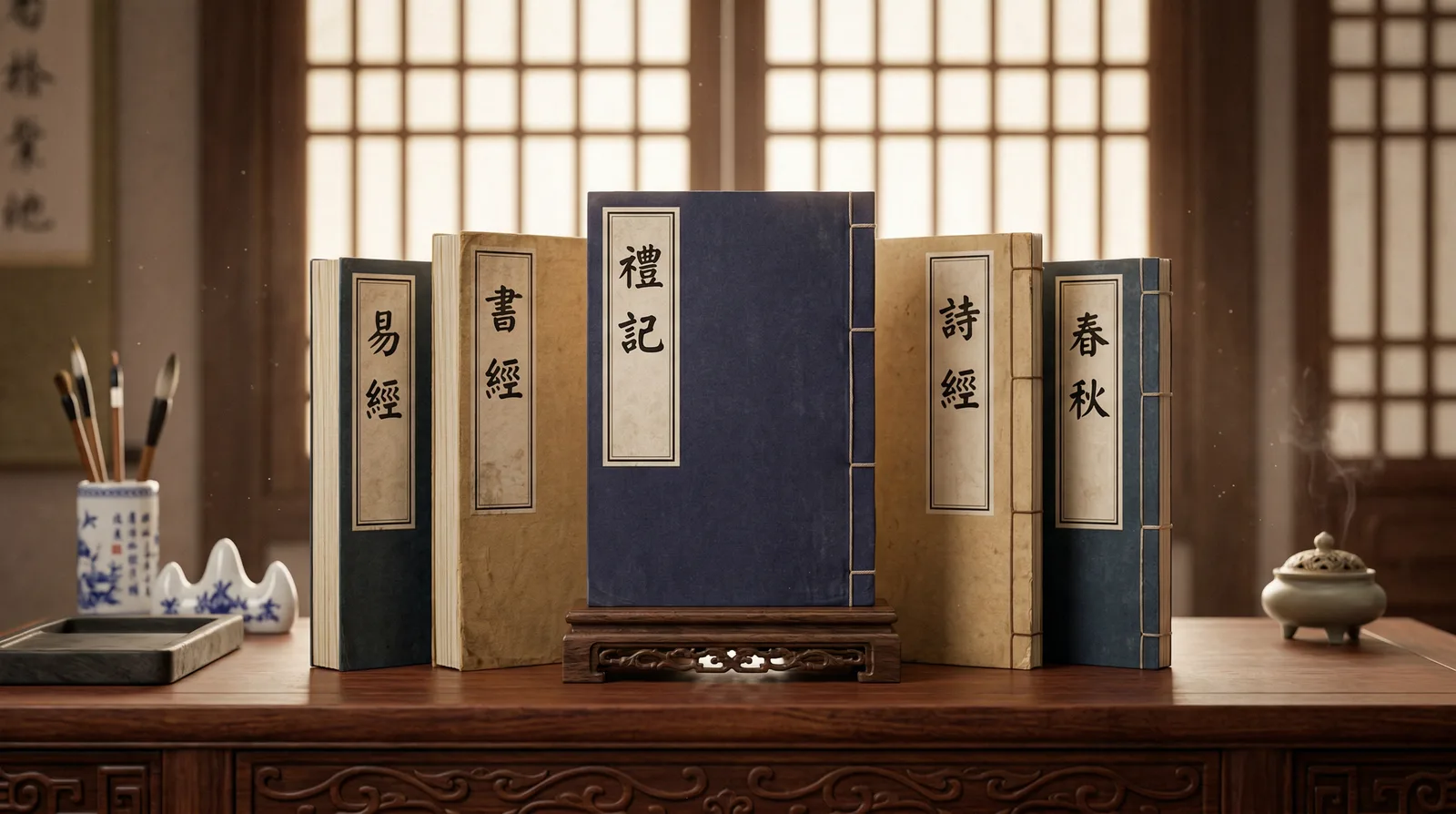
More from Confucianism

Begin Your Journey with Confucius
Explore the wisdom and teachings through AI-powered conversations.
Start Your Transformation